After nearly two years of rural India leading the consumption recovery, signs are emerging that urban demand may finally be staging a comeback. Improving corporate salary growth, selective hiring especially in global capability centres and fiscal support through tax and GST cuts are helping urban consumption regain momentum, as per experts. At the same time, rural demand faces rising risks from falling crop prices, even as wage growth and allied income streams offer support.
High Cost of Living Weighed on Urban Spending
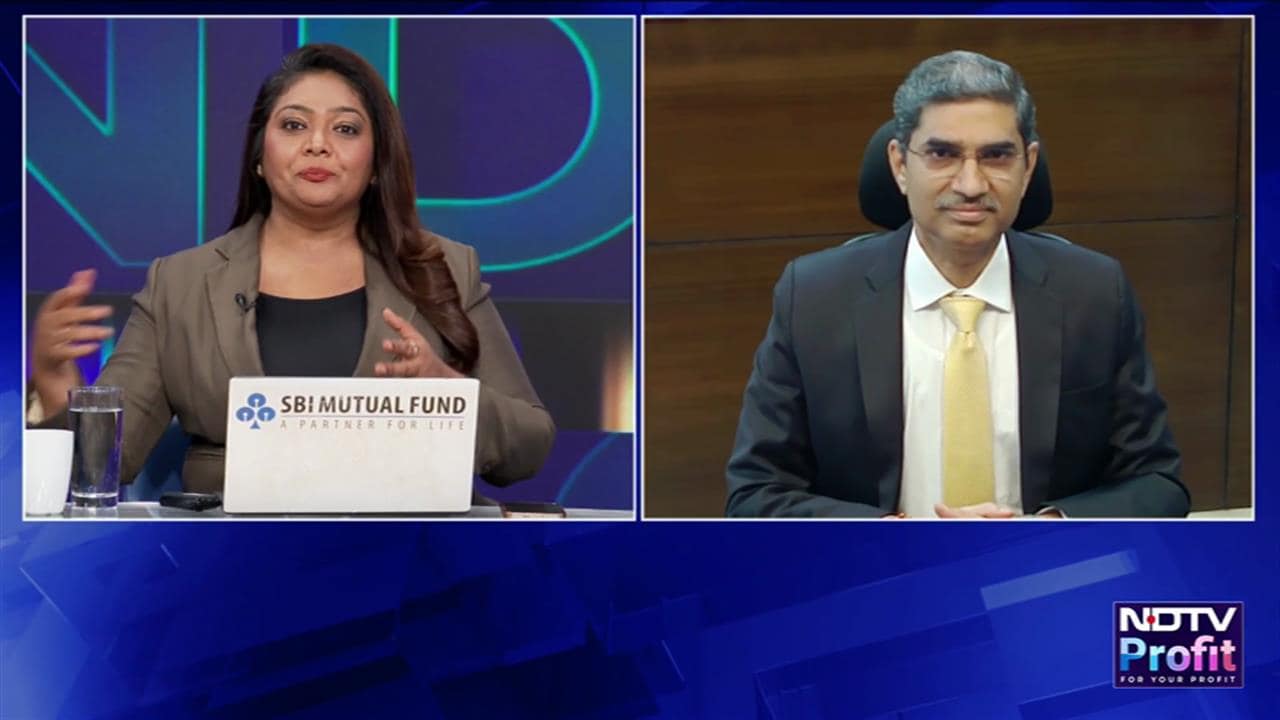
According to Ruchit Mehta, head of research at SBI Mutual Fund, headline inflation figures do not reflect the true cost pressures faced by urban households.
"If you look at sheer absolute numbers, inflation in an urban wallet is much higher," Mehta said. "You can't do without school fees, rent, electricity, food and water and these are exactly the costs that have gone up sharply."
Also Read | Layoffs Are Rising In Tech, But These Skills Are Helping People Unlock Better Pay
He pointed out that school fees in urban India have risen at a compounded rate of 15–30% annually, with fees in cities like Mumbai averaging Rs 2 lakh a year and going up to Rs 5–6 lakh for international boards. "Education and rent are now taking up a very large share of disposable income," Mehta said. "That had been working against urban consumption."
Wage Growth, Hiring, GST Relief Drive Urban Recovery
Despite these pressures, economists say urban consumption has begun to show early signs of revival from the December quarter, aided by fiscal support and improving wage trends.
Gaura Sengupta, chief economist at IDFC First Bank, says that the urban demand started picking up in Q3 FY26. "Urban consumption really began improving in Q3, helped by GST cuts," she said. "We've also seen urban wage growth start to pick up based on listed company data."
She added that labour expenditure reported by listed companies, a proxy for wage growth has improved in nominal terms after moderating through much of FY25. "For the urban pickup to sustain beyond Q3, wage growth will be key," Gaura said. "As corporate earnings improve, wage growth should follow."
Real salary growth in corporate India has shown a growth to 7% in H1FY26 from 3% in Q4FY25, as per Elara Capital report.
As per Miren Lodha, senior director at Crisil Intelligence, salary growth among large listed companies improved to about 6.4% in the first half of FY26, compared with around 5.6% in the previous year. "The change may look incremental, but it signals a shift in momentum. At least for the next few quarters, we don't see a downside risk to urban consumption," he adds.
Teresa John, economist at Nirmal Bang, says that there are signs of a turnaround in urban employment, though challenges remain. "Job creation in urban areas is improving, but it's uneven," she said. "Hiring is stronger at mid and senior levels, while entry-level hiring remains a challenge, especially with AI adoption."
She added that corporate revenue growth has outpaced headcount growth, limiting the strength of employment-led consumption recovery. "There are signs of a turnaround, helped by GST cuts and improving affordability," Teresa said. "But it's still a wait-and-watch situation."
Rural Demand Remains Resilient but Faces Downside Risk
While urban consumption is improving, rural demand, which led the recovery earlier, may face some moderation. An Elara Capital report flagged risks from the collapse in prices of key kharif crops below MSP levels, which could pressure farm incomes.
However, Sengupta says that "rural consumption has been very strong since the September quarter". "Rural wage growth has picked up, and high-frequency indicators remain healthy."
She pointed out that agriculture is not the only place where rural income comes from. "Allied sectors like construction, dairy and services are expected to do well.” As per Crisil report, farm income accounts for about 40–45% of total rural income.
"Tractor sales have grown nearly 20% year-on-year, and FMCG volumes remain strong. "Rural demand is a bit subdued, but it is not collapsing," Lodha added.
Economists broadly agree that India's consumption recovery is entering a new phase. Urban demand, long weighed down by inflation and weak income growth, is showing early signs of revival.
Rural consumption remains resilient but faces downside risks if soft crop prices persist. The sustainability of the urban recovery will depend on continued wage growth, hiring momentum, and future policy support including the eventual impact of the 8th pay commission.
Essential Business Intelligence, Sharp Market Insights, Practical Personal Finance Advice, Daily Fuel, Gold and Silver Prices and Latest Stories — On NDTV Profit.