- Rupee depreciation offers limited relief to exporters due to rising costs and tensions
- Energy and raw material costs are increasing faster than currency gains for exporters
- Middle East exports may drop 20% in March amid supply and geopolitical challenges
The recent depreciation in the Indian rupee is offering only limited relief to exporters, as escalating geopolitical tensions and supply disruptions offset any currency gains, industry representatives said.
Pankaj Chadha, Chairman of the Engineering Export Promotion Council of India (EEPC), told NDTV Profit that while exporters are seeing some benefit from a weaker rupee, the gains are being eroded by sharply rising energy and raw material costs.
"The benefit of rupee depreciation is marginal. Input costs have risen far more," he said.
The impact is particularly acute in the Middle East, which accounts for around 16% of India's engineering exports. Chadha warned of a "near washout" for the region in March, contributing to an estimated 20% hit to overall engineering goods exports for the month.
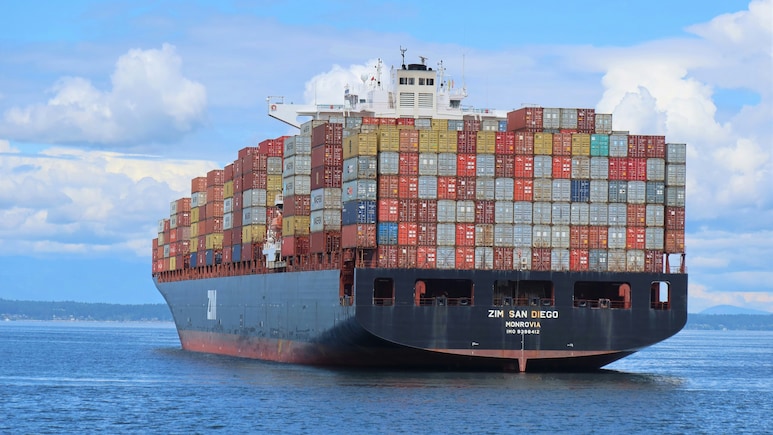
Supply chain disruptions are compounding the situation. Traditional shipping routes through Europe are facing constraints, forcing exporters to reroute via the Cape of Good Hope, significantly increasing logistics costs.
At the same time, industries are grappling with severe gas shortages, with supplies falling to as low as 25% of normal levels. This has hit manufacturing operations hard, particularly steel furnaces, which are currently running at just 20–25% capacity.
Shortages are also emerging across key inputs, including steel scrap, packaging materials, plastics and other petroleum derivatives, further squeezing production.
On policy, Chadha called for a review of Quality Control Orders (QCOs), arguing that restrictions on imports of certain components are hurting exports. "If imports are essential for exports, they should be facilitated," he said.
He also welcomed the restoration of benefits under the Remission of Duties and Taxes on Exported Products (RoDTEP) scheme, but stressed that rates remain low and the overall outlay needs to be increased to better reflect exporters' cost burdens.
ALSO READ: Centre Restores RoDTEP Export Incentives After Slashing Them By 50% In February
Essential Business Intelligence, Continuous LIVE TV, Sharp Market Insights, Practical Personal Finance Advice and Latest Stories — On NDTV Profit.