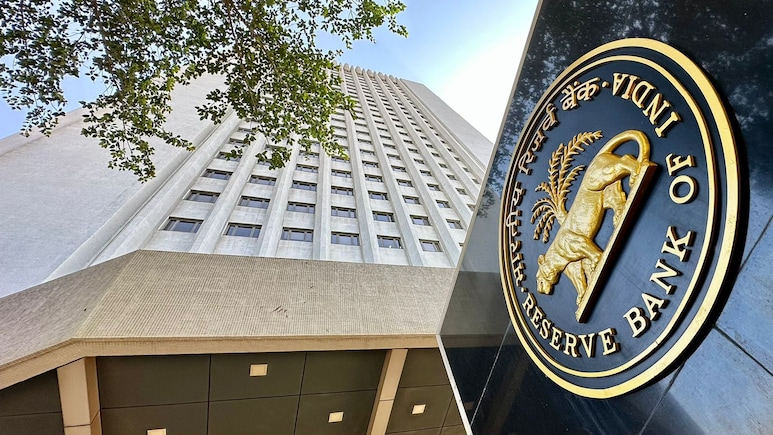
Volatility in crude oil prices driven by the Middle East conflict is raising inflation risks in India and may push the Reserve Bank of India towards a rate hike, even as growth slows, an economist said.
The Reserve Bank of India's Monetary Policy Committee will meet from April 6-8, when policymakers are expected to assess the economic impact of nearly a month of conflict involving the United States, Israel and Iran.
Crude prices have swung sharply over the past month as tensions disrupted shipping through the Strait of Hormuz, a route that carries about 20% of global oil supply. Prices rose on supply concerns and eased on signs of talks, even as flows remained uncertain.
Also Read | Layoffs Are Rising In Tech, But These Skills Are Helping People Unlock Better Pay
The oil shock is feeding into inflation through fuel, fertiliser and currency channels, raising the risk that the Reserve Bank of India may need to tighten policy even as demand weakens.
Trinh Nguyen, senior economist covering emerging Asia at Natixis, said prices remain elevated and the impact will depend on how long the disruption lasts. "Brent is very expensive, jet fuel is very expensive," she said. "You have oil prices going crazy."
ALSO READ: India Faces Rs 50,000 Crore Import Hit as Iran War Fuels Inflation Risks
Policy Trade-Off
Nguyen said the central bank faces a trade-off between slowing growth and rising inflation as higher oil and input costs pass through the economy.
"I think it would be inflation that will force their hands," she said.
She said central banks in the region may have to respond even as demand weakens. "They may potentially have to hike in a downward demand cycle," Nguyen said.
Nguyen said the RBI may pause in the near term to assess how long the shock lasts, but flagged a shift in the policy path. "I do think the RBI will hold in the short term, but the next move definitely a hike, and that's what the market is pricing," she said.
Inflation Channels
Nguyen said the impact extends beyond crude to other inputs that affect prices across the economy.
"We're only focusing on the supply shock initially, but eventually we have to talk about what that means in terms of the current account," she said. "More importantly, disruptions such as fertilisers and chemicals are important for the supply chain."
She said currency moves add to imported inflation as the rupee weakens during periods of stress.
External Position
Nguyen said India is exposed to higher energy prices but is not among the most vulnerable economies in the region.
"The reality is not the most exposed, even if it is exposed, but supply shock is a challenge," she said.
She said India has policy levers to manage some of the pressure, including steps to manage food supply if needed. Higher fertiliser costs, however, could add to fiscal pressure through subsidies.
Nguyen also pointed to supply concerns. "From an India perspective, I think first we have to make sure that we have supply for cooking gas, for example, LPG," she said.
She added that the duration of the disruption will determine how the impact on inflation and growth evolves in the coming months.
ALSO READ: Inflation Isn't Coming Down As Quickly As Chair Powell Hoped; No Rate Cut Without 'Progress'
Essential Business Intelligence, Sharp Market Insights, Practical Personal Finance Advice, Daily Fuel, Gold and Silver Prices and Latest Stories — On NDTV Profit.