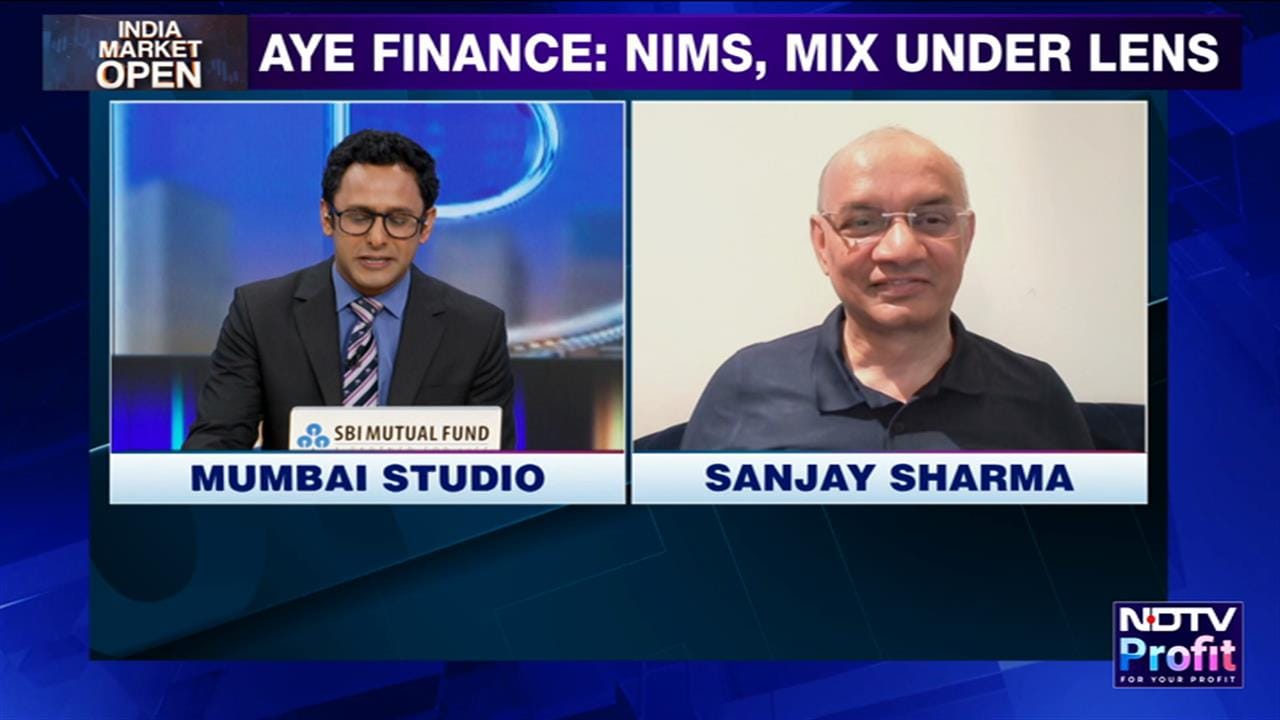
Growth differentials between the US and other countries will likely put monetary policies of various countries at odds with each other due to higher dollar and higher global interest rates, said Sajjid Chinoy, chief Asia economist at JPMorgan said.
Referring to tariffs US might impose, Chinoy said such measures will reinforce US exceptionalism to the extent that looser fiscal policy and deregulation in the near term may provide some growth impetus to the economy. US growth may not suffer as much as the rest of the world because of higher tariffs, he said.
The US economy is ending 2024 with growth, when expectations earlier this year projected a recession. The economy is nowhere close to a negative number, but around 3%.
The last mile of disinflation in the US is proving to be very sticky, the senior economist said. Core inflation has come down from 9% to 3%. Over the last year, it's stuck at 3%, he said, citing the month-on-month numbers.
The reason: domestic services inflation. Considering this, the Fed has begun its easing cycle. The pace of easing might be slower even without the tariff risk because the last mile of disinflation is proving harder to overcome, Chinoy said.
Markets have started to price in where US economic performance and the Federal Reserve's policy might be by the end of next year, Chinoy said.
Consequently, the dollar index has strengthened in last two months, in part because of President-elect Donald Trump, and US economy's exceptional performance. US 10-year Treasury yield is back above 4%.
From emerging markets perspective, these safe havens gaining ground mean global financial conditions are tight and hostile, Chinoy said.
Countries like India and South Korea, which have strong external buffers can manage the exchange rate pressure and use interest rates to respond to domestic economy than other countries which are not well placed.
"Those countries should have been cutting rate this calendar year," Chinoy said.
The JPMorgan executive invoked the example of Indonesia. The southeast Asian nation could not cut rates because its external situation is far more challenged.
If the dollar continues to strengthen, there's a risk Indonesia may have to hike interest rates next year even though its domestic conditions will argue for a cut, he said.
Essential Business Intelligence, Continuous LIVE TV, Sharp Market Insights, Practical Personal Finance Advice and Latest Stories — On NDTV Profit.