- The Centre has eased customs rules for export cargo returning due to maritime disruptions
- The relaxation allows containers to be offloaded without standard import paperwork temporarily
- Customs will verify container seals and shipping bills, with strict checks on tampered seals
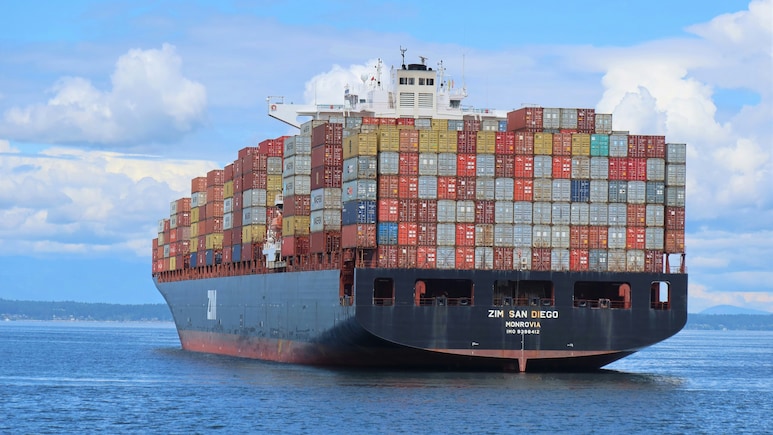
The Centre has relaxed customs procedures for export cargo returning to India after vessels were forced to turn back due to disruptions in maritime routes, including the closure of the Strait of Hormuz.
The move comes amid disruptions in shipping routes in the region, which have forced some vessels carrying Indian export cargo to return without reaching their destination ports.
In a circular issued by the Central Board of Indirect Taxes and Customs (CBIC), the government prescribed a simplified procedure for handling export consignments that are unable to reach destination ports and are returning to Indian ports.
Also Read | Layoffs Are Rising In Tech, But These Skills Are Helping People Unlock Better Pay
ALSO READ | '...A Little Pressure Off': Trump Reveals Why US Allowed India To Accept Russian Oil
The temporary relief is expected to address exporters and shipping stakeholders concerns and facilitating "back to town" requests from exporters whose cargo could not be delivered.
The relaxation will remain in force for 15 days from the issuance of the circular. Until the new system functionality is operationalised, customs field formations have been directed to maintain records manually and update them later in the system.
Under the relaxation, containers returning to India can be taken off vessels at the port terminal without filing the standard import paperwork such as a Bill of Entry, subject to verification of shipping documents.
Customs authorities will verify the container details against the corresponding shipping bills and check the integrity of container seals. Containers with tampered or broken seals will be subjected to 100% examination.
The CBIC has also allowed cancellation of shipping bills for such consignments, including in cases where the Export General Manifest (EGM) has already been filed. A new system option will be introduced in the ICES platform to facilitate cancellation of shipping bills post-EGM to ensure export incentives are not disbursed in such cases.
ALSO READ | US-Iran War To Drive Up Steel Costs Amid Surge In Oil, Freight Costs: Report
The details of cancelled shipping bills will be shared with agencies such as the Reserve Bank of India and the Directorate General of Foreign Trade through ICEGATE.
However, if exporters have already received any tax benefits or export incentives, including IGST refunds or duty drawback, the amount will have to be recovered and paid back to the government.
The government has specified that vessels returning due to such disruptions will generally be permitted to berth only at the same Indian port from which they had departed, except in cases involving transshipment.
Essential Business Intelligence, Sharp Market Insights, Practical Personal Finance Advice, Daily Fuel, Gold and Silver Prices and Latest Stories — On NDTV Profit.