- GST Council to meet on October 8 with a packed agenda for tax rate streamlining
- Proposal to cut GST on e-commerce and food delivery charges to a uniform 5% rate
- Input Tax Credit may be allowed for hotels, fitness centres, and restaurants at 5% GST
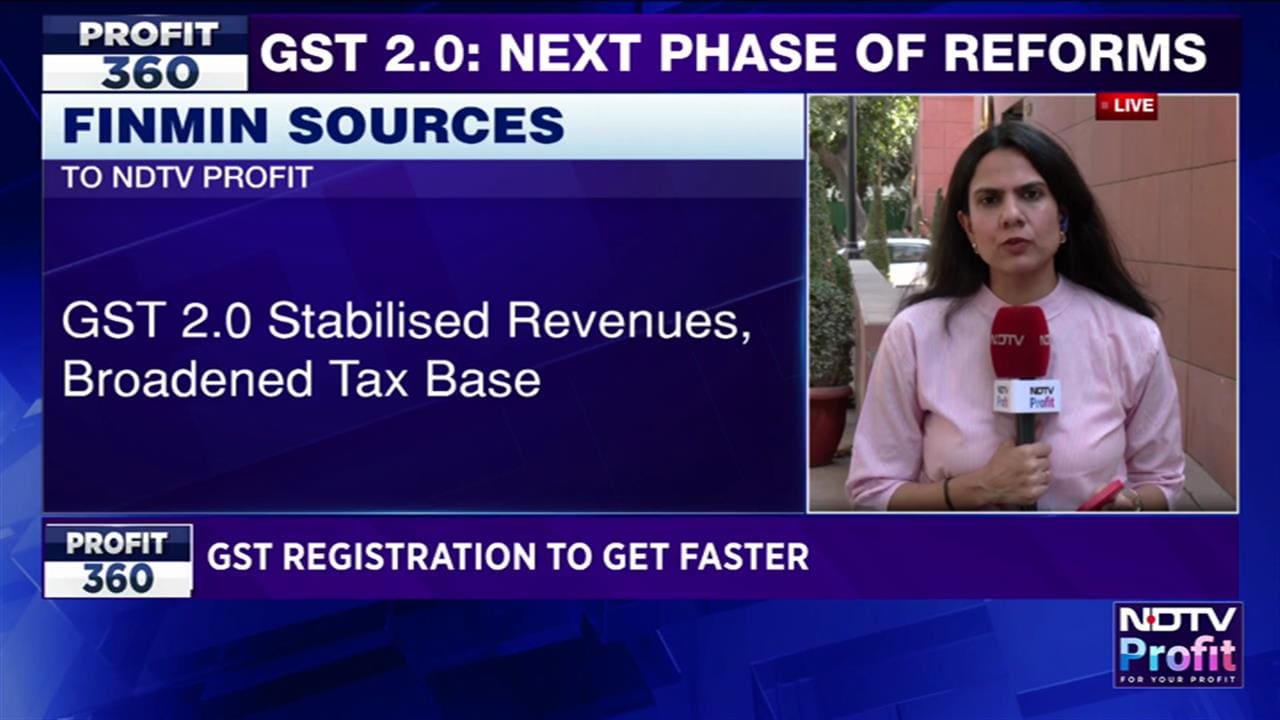
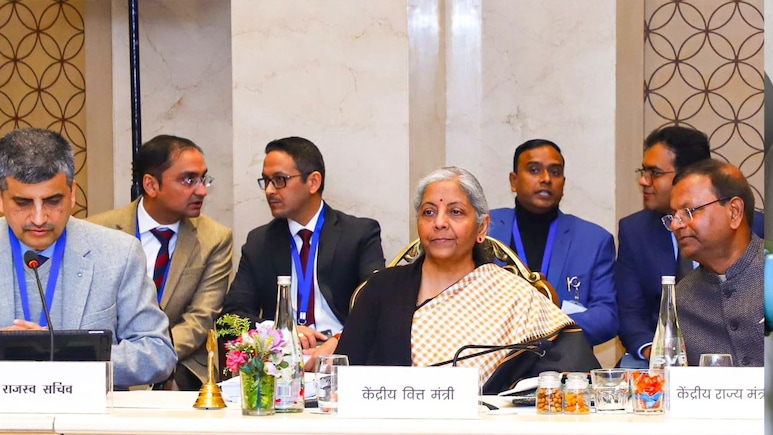
The Goods and Services Tax (GST) Council is set to convene for the 57th official meeting on Oct. 8, with a packed agenda aimed at streamlining tax rates, easing compliance, and providing critical clarity on Input Tax Credit (ITC) claims across multiple industries, according to sources privy to the development.
Among the most consumer-facing proposals under consideration is a potential tax cut on delivery charges levied by e-commerce and food aggregators like Swiggy and Zomato, alongside an array of targeted exemptions spanning healthcare, defence, shipping, and agriculture, sources told NDTV Profit.
According to sources aware of the agenda, the council will take up a raft of proposals aimed at standardising tax rates, clearing up sector-specific ambiguities, and addressing long-pending ITC issues across consumer services, healthcare, defence, and financial services.
Also Read | Layoffs Are Rising In Tech, But These Skills Are Helping People Unlock Better Pay
READ | E-Commerce GST Overhaul On Cards: One-Time Verification, 'Same Delivery, Same Tax' Proposed
Relief For Online Food Delivery & Services Sector
In a major move that could make ordering food and goods online cheaper, the GST Council is set to consider slashing the tax rate on delivery fees charged by e-commerce platforms like Swiggy and Zomato from 18% down to 5% at its upcoming meeting. At present, while the food prepared and delivered through these platforms attracts a 5% GST rate, the delivery fee charged to consumers is taxed separately under the higher 18% slab.
Bringing delivery fees under the 5% umbrella would eliminate this disparity and simplify billing structures for platforms and end consumers alike. Authorities may consider allowing ITC for hotels, fitness centres, and restaurants currently paying a 5% GST rate, addressing a significant pain point regarding uncredited input costs. It can provide a much-needed operational relief to service operators.
The other sector-based rate changes on the GST Council's agenda are:
Electric Mobility: The GST Council is evaluating two tax structures for electric vehicle (EV) transport and rental services: a concessional 5% GST with limited ITC, or an 18% GST with full ITC benefits.
No Relief for Purifiers & Cruise Tourism: Consumers awaiting tax reductions on household appliances and leisure will likely be disappointed, as an 18% GST rate is expected to continue for both air/water purifiers and cruise tourism.
READ | GST 2.0 Rollout: Council Readies Major Overhaul To Fast-Track Claims, Ease Blocked ITC Norms
Healthcare, Defence & Financial Services
The GST Council will also evaluate targeted relief measures spanning public health exemptions, national security supplies, and financial regulations. The key sectoral items under review include tax cuts in the healthcare sector.
Healthcare: Seven additional rare diseases are slated to be added to the GST exemption list, easing the financial burden on patients requiring specialized, life-saving therapies.
Defence: An Integrated GST (IGST) exemption may be extended to missile components, spare parts, and specialized testing equipment to bolster domestic defence readiness and procurement.
Logistics & Warehousing: Certain services provided to foreign shipping lines, as well as agricultural seed storage and warehousing services, are proposed for GST exemptions.
Finance & Welfare: Services provided by the Seamen's Provident Fund Organisation (SPFO) may receive a GST exemption to align with the tax parity enjoyed by the Employees' Provident Fund Organisation (EPFO).
Regulatory Clarity: The Council is expected to issue formal clarifications regarding the GST treatment of NBFC-bank co-lending partnerships, while Asset Management Company (AMC) investor awareness programs are slated to remain under the GST net.
READ | GST 2.0 Next-Gen Reforms: Five Major Overhauls Await GST Council's Nod On Oct 8
Proposed 3% IGST on Precious Metal Imports
In a bid to align India's indirect tax regime with the updated Directorate General of Foreign Trade (DGFT) framework, the Council will deliberate replacing the current IGST exemption on precious metals with a 3% IGST on imports of gold, silver, and platinum by nominated agencies and banks.
Under the proposal, the eligible nominated agencies and banks will receive full ITC on the 3% IGST paid. Coming to retail impact: The move is revenue-neutral for buyers; there will be no change in the GST rate on gold jewellery sold to end consumers, preserving current market pricing for retail buyers. The GST Council will take up these draft proposals for final debate and notification during its meeting on Oct. 8.
Essential Business Intelligence, Sharp Market Insights, Practical Personal Finance Advice, Daily Fuel, Gold and Silver Prices and Latest Stories — On NDTV Profit.