- India excludes GM crops, dairy, key staples from India-US trade deal to protect farmers
- Products like soybean, maize, banana, citrus, green tea, and ethanol also excluded from concessions
- US grants India most favored nation status, cutting tariffs from 50% to 18% for exporters
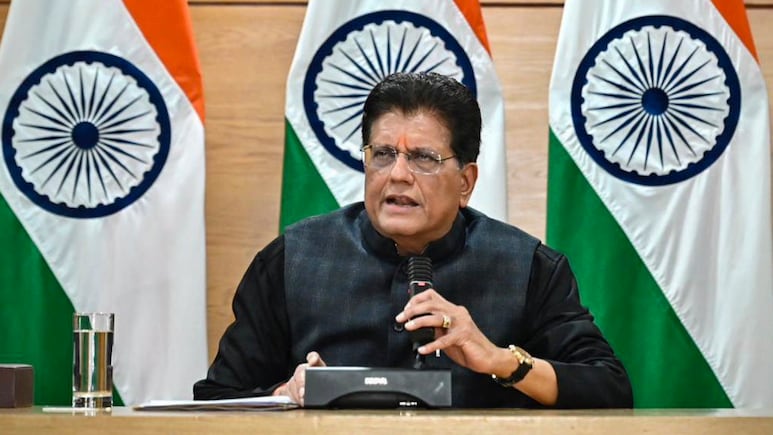
In a significant move to safeguard the country's agrarian heartland, Commerce Minister Piyush Goyal announced today that India has successfully kept its most sensitive agricultural sectors-including Genetically Modified (GM) crops and dairy-outside the ambit of the newly detailed India-US trade deal.
Addressing a press conference following the release of the joint statement, Goyal emphasized that while the pact opens vast avenues for trade, the core interests of India's rural economy remained non-negotiable.
"Interests of farmers, livestock holders have been safeguarded," Goyal said, confirming that GM crops, meat, poultry, dairy, and key staples like rice, wheat, and sugar will not be allowed into Indian markets at reduced tariffs. "India's farm sector hasn't been opened fully. Products where India is self-sufficient have been kept outside the deal."
Also Read | Layoffs Are Rising In Tech, But These Skills Are Helping People Unlock Better Pay
Safeguarding Domestic Agriculture
The Minister outlined a robust "red line" drawn to protect domestic producers. Beyond GM crops, the exclusion list covers a wide range of commodities including soyabean, maize, and specific fruits like banana and citrus.
Furthermore, products such as green tea, oilseeds, and ethanol have been denied any concessions.
Zero-Duty Access for Indian Exporters
While India remained firm on agricultural imports, the deal secures a massive advantage for Indian exporters. The US has agreed to "most preferred" duty status, slashing reciprocal tariffs from 50% to 18%.
"US is open for India's exporters at most preferred duty status," Goyal stated, highlighting the competitive edge this provides. "18% tariffs are better than our neighbouring countries... New orders will flow in for Indian manufacturers."
Under the new pact, a host of Indian products will now enter the US at zero tariff, including spices, gems, smartphones, and aircraft parts.
Calibrated Opening for Imports
On the import side, India has agreed to reduce duties in a "calibrated manner" on products where the country is still export-reliant or requires technological upgradation, including specific medical devices and industrial parts.
Explaining the rationale, Goyal noted, "Competition in certain sectors is needed to ensure better quality." This includes phased duty cuts on distillers' dried grains, certain wines, and spirits, as well as critical medical imports like cancer medicines and pacemakers.
Towards a $500 Billion Goal
The joint statement is being viewed as a major stepping stone toward the ambitious goal of $500 billion in bilateral trade. "Today's joint statement is a result of talks, relationship between India, US leaders," Goyal said.
He concluded by expressing optimism for the future: "The joint statement is a step in the goal of reaching $500 billion bilateral trade goal... it brings hope, opportunities for India."
Essential Business Intelligence, Sharp Market Insights, Practical Personal Finance Advice, Daily Fuel, Gold and Silver Prices and Latest Stories — On NDTV Profit.