- India aiming for 7% medium-term growth amid global trade, according to CEA V Anantha Nageswaran
- Growth projections include tariff uncertainties and rely on domestic reforms and stability
- Trade strategy with new FTAs aims to boost exports and integrate India into global markets
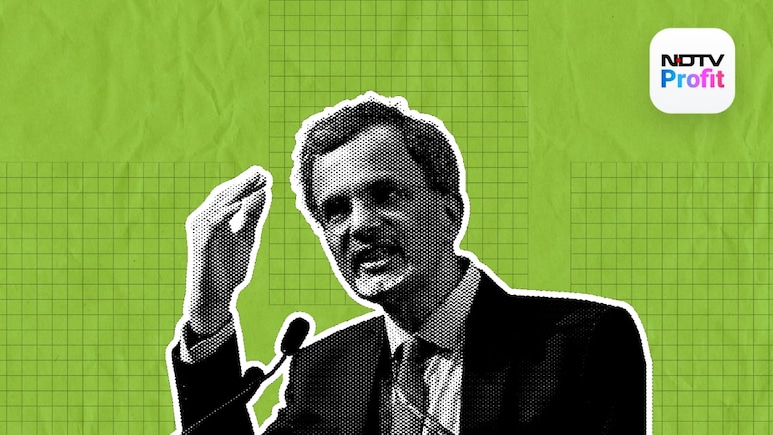
India has pencilled in a medium-term economic growth rate of 7% despite a challenging global environment marked by trade tensions, capital flow volatility and geopolitical uncertainty, Chief Economic Advisor V Anantha Nageswaran told NDTV Profit on Thursday.
Addressing concerns around tariff-related risks, Nageswaran said the government has already factored in “tariff uncertainty” while projecting the growth outlook. "We have factored in tariff uncertainty and yet gone ahead with a medium-term growth rate at 7%," he said, adding that the government remains confident of achieving this target through a combination of domestic reforms, trade integration and financial system stability.
"We have expressed hope that the India–US deal will be concluded this year. Our growth projection is independent of whether the deal materialises. However, if the deal does come through, it would make us more comfortable with the growth numbers," he added.
Also Read | Layoffs Are Rising In Tech, But These Skills Are Helping People Unlock Better Pay
He highlighted ongoing efforts to deregulate key sectors such as insurance and nuclear energy, describing them as crucial steps to provide long-term policy certainty. “The government policy has been to deregulate sectors like insurance and nuclear. This brings policy certainty and will bring FDI,” he noted.
Moreover, he stressed that there is sufficient room for both labour-intensive and capital-intensive industrial growth to expand simultaneously.
On the external front, the CEA said India's trade strategy, including recently concluded Free Trade Agreements (FTAs), is expected to play a growing role in boosting exports and manufacturing competitiveness. He indicated that several FTAs are likely to become operational within the next year, improving access to key markets and integrating Indian firms more deeply into global value chains.
Nageswaran said the rupee's weakness largely reflects FPI reluctance over India given global geopolitical uncertainty, rather than concerns about India's underlying macroeconomic strength.
He also placed current market behaviour in a broader global context, arguing that prolonged accommodative monetary policies since the global financial crisis have distorted asset prices worldwide. “Easy money since the global financial crisis has resulted in the proliferation of private credit, stock market valuation, etc.,” he said, suggesting that ongoing global financial adjustments are weighing on emerging market currencies and capital flows.
Essential Business Intelligence, Sharp Market Insights, Practical Personal Finance Advice, Daily Fuel, Gold and Silver Prices and Latest Stories — On NDTV Profit.