The proposed Emergency Credit Line Guarantee Scheme (ECLGS) 5.0 is expected to see moderate-to-strong demand from export-oriented MSMEs as businesses grapple with liquidity pressures arising from the ongoing West Asia crisis, rising input costs and delayed export payments.
Government and banking sector estimates suggest that nearly 1.1 crore MSME accounts - around 45% of the country's MSME loan portfolio - could be eligible for support under the latest version of the scheme.
Unlike the earlier Covid-era ECLGS rounds, however, the government is building in expectations of higher stress this time. Sources and industry estimates indicate that ECLGS 5.0 is factoring in potential credit losses of 6-8%, significantly higher than the 3-4% NPA levels seen under ECLGS 1.0 to 4.0.
ALSO READ | Zepto IPO Gets SEBI Nod; Q-Comm Startup Expected To Raise $1 Billion
The Centre has provisioned nearly Rs 18,000 crore under the latest scheme to absorb potential losses. Under earlier ECLGS rounds, banks were provided nearly Rs 40,000 crore in support as guarantees worth Rs 3.68 lakh crore were issued against the Rs 5 lakh crore admissible limit, translating into a utilisation rate of roughly 74%, according to EY India.
Exporters across sectors say the latest scheme could act as a crucial liquidity backstop amid mounting global uncertainty.
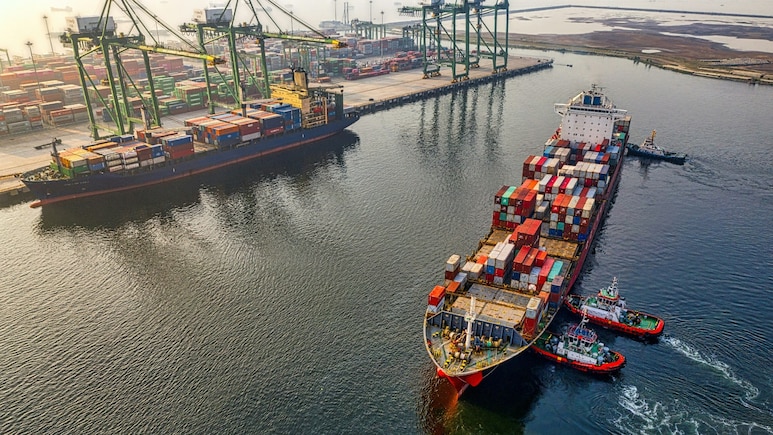
The textiles sector, particularly export-oriented MSMEs, is facing pressure from rising cotton yarn prices, higher freight costs due to disruptions in West Asia shipping routes, delayed export realisations and longer working capital cycles, according to Vijay Kumar Agarwal, Chairman of TEXPROCIL.
Engineering exporters, meanwhile, say raw material costs have risen 20-25%, while energy costs are up nearly 50%.
Industry bodies say the interest rate under the scheme will be critical to determining uptake. The Federation of Indian Export Organisations expects rates to be around 9%, while Pankaj Chadha of the Engineering Export Promotion Council said anything materially above the 7.5-8% range could reduce the attractiveness of the scheme.
Chemical exporters are also expected to see moderate-to-strong participation, particularly in manufacturing hubs such as Gujarat, Maharashtra, Tamil Nadu and Telangana. However, smaller commodity chemical units could remain cautious due to high debt levels, environmental compliance costs and tighter lending standards from banks, according to Satish Wagh, Founder Chairman of Supriya Lifescience Ltd. and the head of CHEMEXCIL.
Ajay Sahai, Director General of FIEO, said the success of ECLGS 5.0 would ultimately depend on quick implementation, simplified procedures and timely credit disbursal.
Banking sector data suggests earlier versions of the scheme played a significant stabilising role. SBI Research estimates that ECLGS 1.0 to 4.0 helped save 13.5 lakh MSMEs from slipping into NPA, protecting loans worth Rs 1.8 lakh crore and safeguarding nearly 1.5 crore jobs.
Essential Business Intelligence, Sharp Market Insights, Practical Personal Finance Advice, Daily Fuel, Gold and Silver Prices and Latest Stories — On NDTV Profit.