- The Centre plans to cover 90% of MSMEs' compliance costs under the EU's CBAM scheme
- MSMEs face steep compliance costs due to technical and verification requirements under CBAM
- Default emission values and mark-ups under CBAM will increase significantly from 2026 to 2028
The Centre is working on a scheme to cover 90% of the compliance costs that micro, small and medium enterprises (MSMEs) will incur under the European Union's Carbon Border Adjustment Mechanism (CBAM), aimed at cushioning the impact of the EU's carbon tax on smaller exporters, according to a report.
The move comes after India's efforts to secure a concession for small industries during trade negotiations with developed countries did not succeed, The Indian Express reported, citing people aware of the development.
Steep Compliance Burden for MSMEs
Also Read | Layoffs Are Rising In Tech, But These Skills Are Helping People Unlock Better Pay
Under CBAM, Indian exporters are required to submit certificates corresponding to the embedded emissions in their goods.
The report said this has become a significant hurdle for MSMEs, since the EU mandates "default values" for emissions data when actual figures cannot be provided, and these default values, along with associated mark-ups, are set to rise sharply, by 10% in 2026, 20% in 2027 and 30% from 2028, according to the regulation.
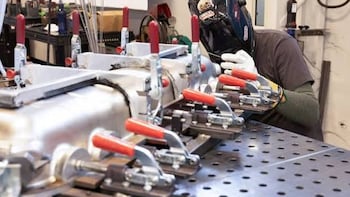
"For MSMEs, the principal challenge under CBAM is not necessarily the carbon levy itself, but the cost of compliance. Unlike large corporates, MSMEs often lack the technical expertise, systems and financial resources to measure, verify and report embedded emissions in accordance with CBAM requirements," the report quoted Ayush Mehrotra, partner at Khaitan & Co, as saying. "They may have to incur significant upfront expenditure on carbon accounting, third-party verification, digital reporting systems and capacity building."
ALSO READ: 8th Pay Commission: Fitment Factor May Stay Close To 2.57 As Fiscal Burden Weighs, Says Report
"These are largely fixed compliance costs, which means they do not reduce in proportion to the size of the business or export volumes," he added. "As a result, MSMEs bear a disproportionately higher compliance burden than larger exporters, potentially eroding their price competitiveness in the EU market. If these costs are not addressed through targeted policy support, smaller exporters may find continued access to the EU market commercially unviable despite having competitive products," Mehrotra said, as per the report.
Meeting the requirement under the carbon tax alone could cost an MSME unit between Rs 15 lakh and Rs 20 lakh, and that they do not have the wherewithal to report the number of data points sought under the regulation by the EU, the report stated,
Impact on India's Trade
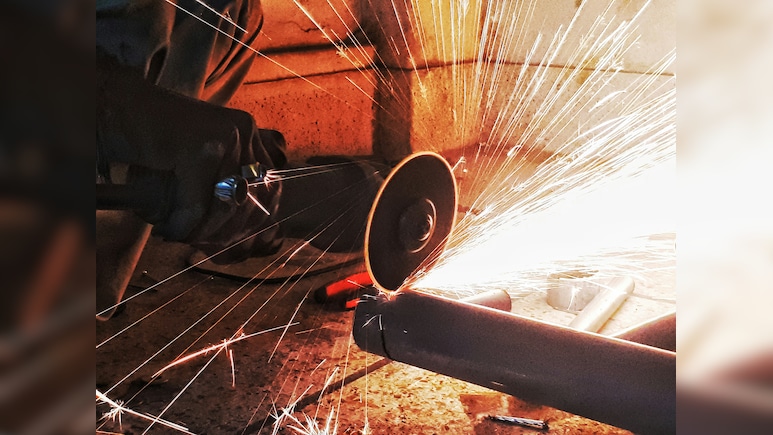
The report cited an Indian Council for Research on International Economic Relations (ICRIER) working paper, released this month, which found that imports from India would decline for all CBAM commodities, and the impact of the CBAM is likely to be felt the most by the iron and steel (I&S) sector, where the extent of decline in imports by the EU could be about 24%, and the fertilisers and aluminium products, followed by metal products, are next in line.
The report also noted that the UK has separately proposed introducing its own version of CBAM from 2027.
Essential Business Intelligence, Sharp Market Insights, Practical Personal Finance Advice, Daily Fuel, Gold and Silver Prices and Latest Stories — On NDTV Profit.