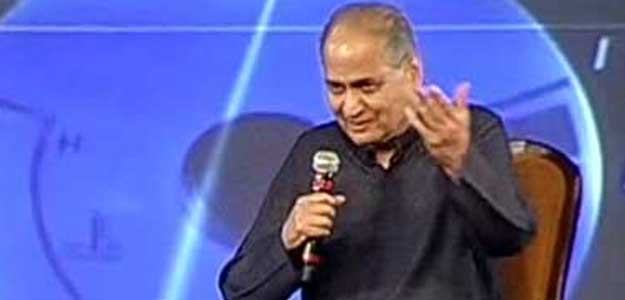
However, Mr Bajaj maintains that the Bihar elections are crucial and will affect the nation and its political environment.
Prominent industrialist and Bajaj Auto chairman Rahul Bajaj says Prime Minister Narendra Modi's reform agenda will stay unaffected, irrespective of whether the BJP-led National Democratic Alliance (NDA) manages to secure an electoral victory in Bihar. The Bihar election results are due to be declared on Sunday, November 8.
"As far as reform process is concerned people are saying if the NDA wins, reforms will go very fast and if they lose it may slowdown and that's the kind of thing people are saying but I don't share that view in full that is.
"I believe the reforms will continue in this government- there are three and a half years to go in Parliament and in the Lok Sabha and nobody can touch that," Mr Bajaj told NDTV. (Watch the full interview)
However, Mr Bajaj maintains that the Bihar elections are a crucial one and will indeed affect the nation and its political environment. It is after all the second largest state after Uttar Pradesh, he pointed out.
Even if BJP continues to lose in state elections, there is no reason they would go slow on reforms, Mr Bajaj pointed out. BJP lost the Delhi elections earlier this year in February.
"I don't know why if they lose they should go slow- I don't understand the logic. Means whatever Mr Modi was saying, he was the main campaigner- they'll go back on that? C'mon no prime minister will do that and not this prime minister," said Mr Bajaj.
Next year, the states of Tamil Nadu, Kerala, Bengal, Assam, and Puducherry go to polls followed by UP and Punjab, the year after.
If the BJP loses in Bihar they may fine tune things based on the feedback but they will go further on reforms, Mr Bajaj said. "Maybe they will feel by losing that we didn't do enough...the economic reform, industrial process will continue."
GST
On Goods and Services Tax or GST which is touted as the biggest tax reform for the country since independence, Mr Bajaj believes there can't be one rate for everything in the country.
The Goods and Services Tax or GST seeks to transform the country into a common market, by merging a slew of state and central levies into a national sales tax
Mr Bajaj cited the example of how it's illogical to levy the same rate on a luxury car and a pair of bathroom slippers. He believes there should be "same rate for same product all over the country".
However on essential commodities like medicines there should be zero per cent rate while on luxury items there could be a higher rate say 20 per cent, and other necessary items that the middle class use be levied a rate of something in between.
"There has to be a difference between what the very rich buy and what the middle class and the poor people buy."
Essential Business Intelligence, Sharp Market Insights, Practical Personal Finance Advice, Daily Fuel, Gold and Silver Prices and Latest Stories — On NDTV Profit.