The decision by the Government of India on Monday to ask Members of Parliament to make sacrifices in the struggle against Covid-19 was, on the face of it, a reasonable one. The first part of the decision—to implement a 30 percent salary cut for all Members of Parliament—was widely welcomed, including by most MPs themselves. The second part, however —the reallocation of all Member of Parliament Local Area Development Scheme or MPLADS funds for the duration of 2020-21 and 2021-22 to the Consolidated Fund of India—was considerably more problematic.
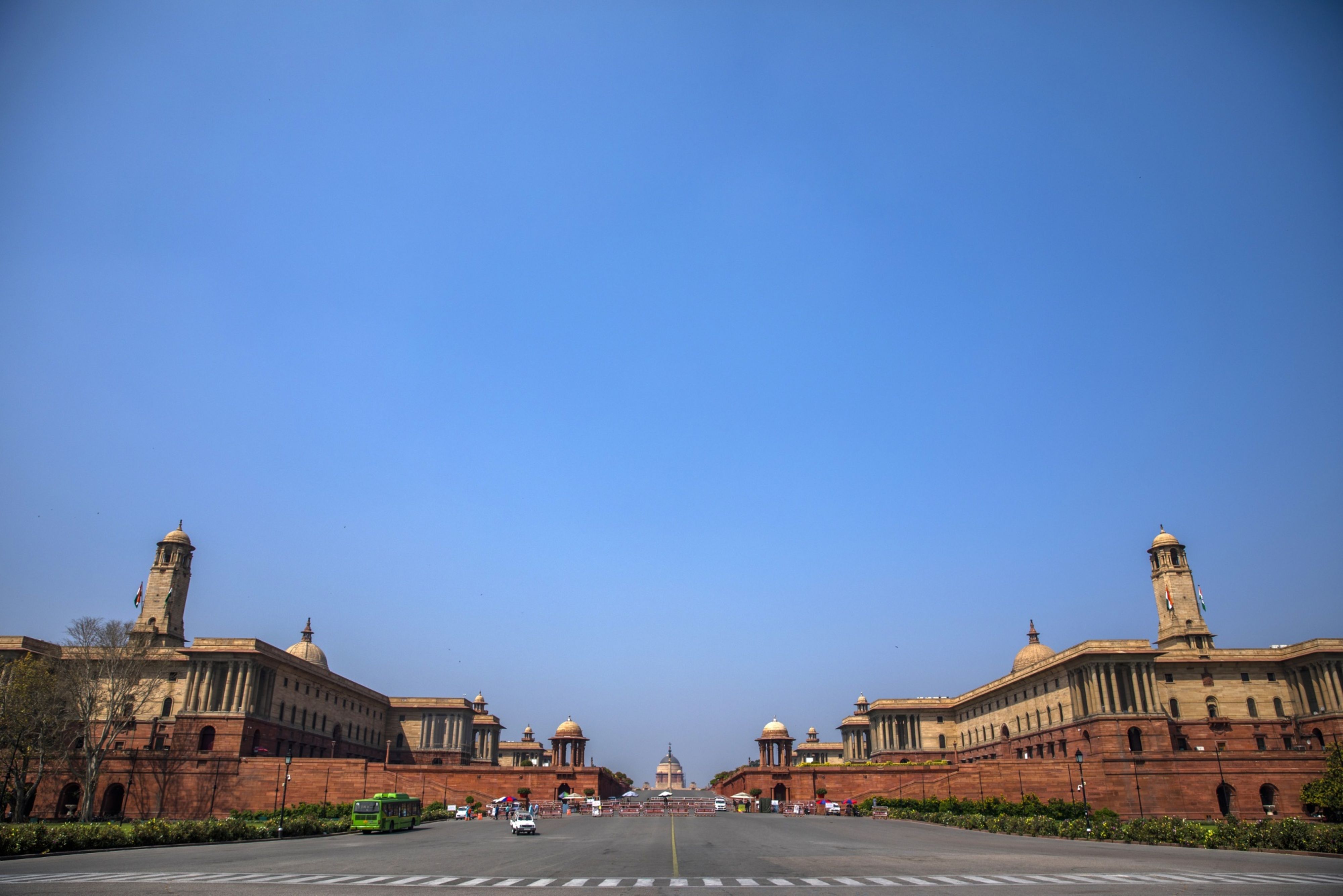
The government's argument was that every rupee was needed to bolster the resources available to our nation as we address the impact of Covid-19. As parliamentarians, we are all united with the government in its endeavour to raise resources, and I am happy to participate in contributing any additional resources that can be generated, whether through the reduction of my salary, or by the deferral of inessential expenditure, such as the redevelopment of New Delhi's Central Vista and the construction of a new expanded Parliament House, which hardly strikes anyone as an urgent priority in the midst of a national crisis.
This latter idea, which I proposed several weeks ago, has not been retained by a government determined to create some monumental symbol of its grandeur in the nation's capital. At the same time, it has decided to suspend all MPLADS funds for the next two years and spend the money centrally instead, on Covid-19 relief.
How MPLADS Is Deployed
MPLADS funds, amounting to some Rs 5 crore a year per MP, are not money ‘given' to an MP: they are held by the district collector and allocated to various development projects within an MP's constituency, on the MP's say-so. It is not a terribly large sum: the average MP's parliamentary constituency covers seven or eight Assembly constituencies, which gives him (after the deduction of 25 percent reserved for projects exclusively benefiting Scheduled Castes and Tribes) some Rs 50 lakhs a year per Assembly constituency to spend on general development work. By contrast, in Kerala, each MLA disposes of Rs 6 crore in development funds for a single Assembly constituency.
Nonetheless, the MPLADS funds have become an instrumental channel through which much-needed and often critical development projects have been implemented in each MP's constituency. Though the amounts available are not large, they enable an MP to respond to local demands and needs of his constituents, of which she, as a popular representative, is naturally more conversant than the central or even state governments.
Using MPLADS For Covid-19 Needs
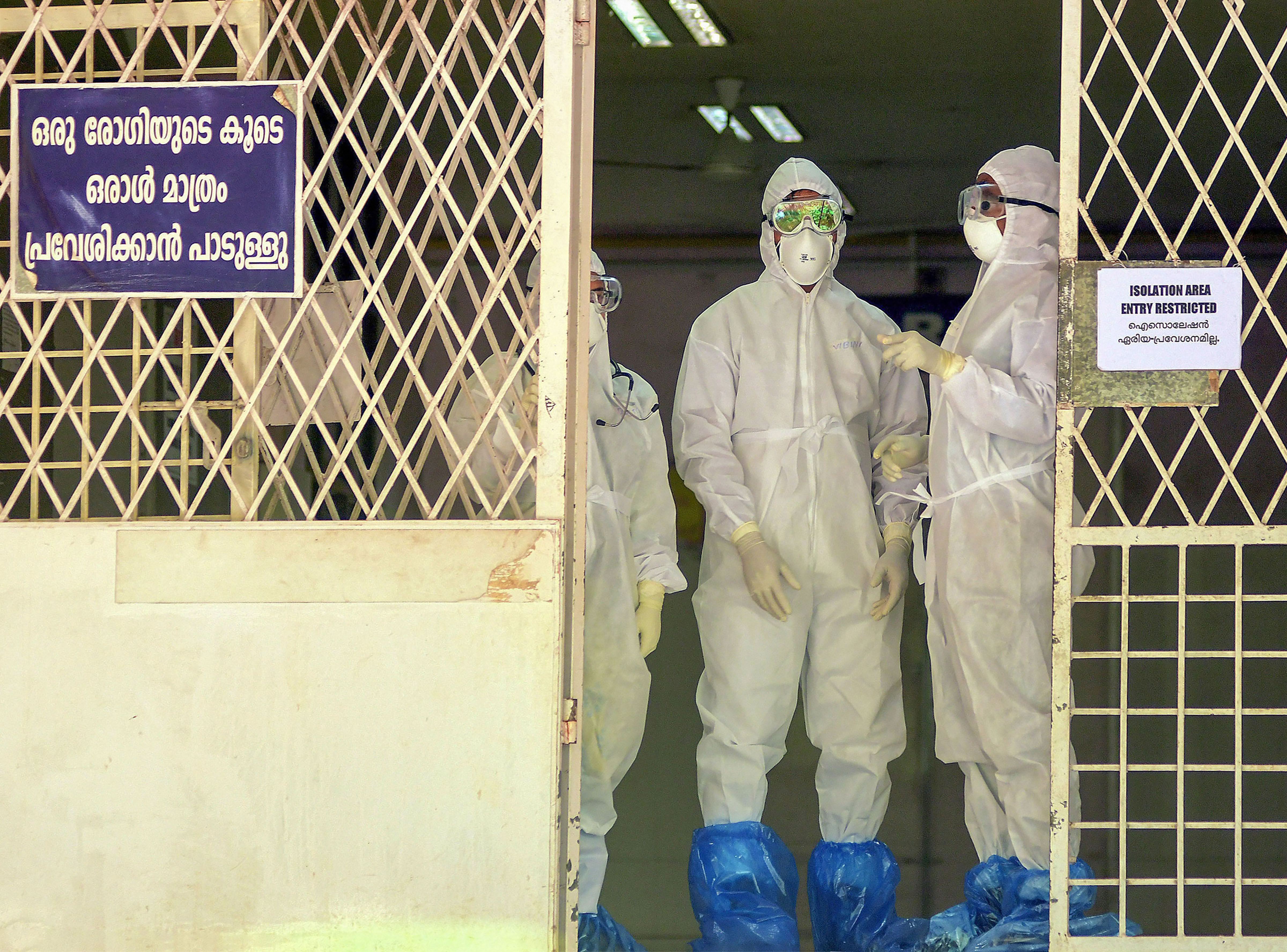
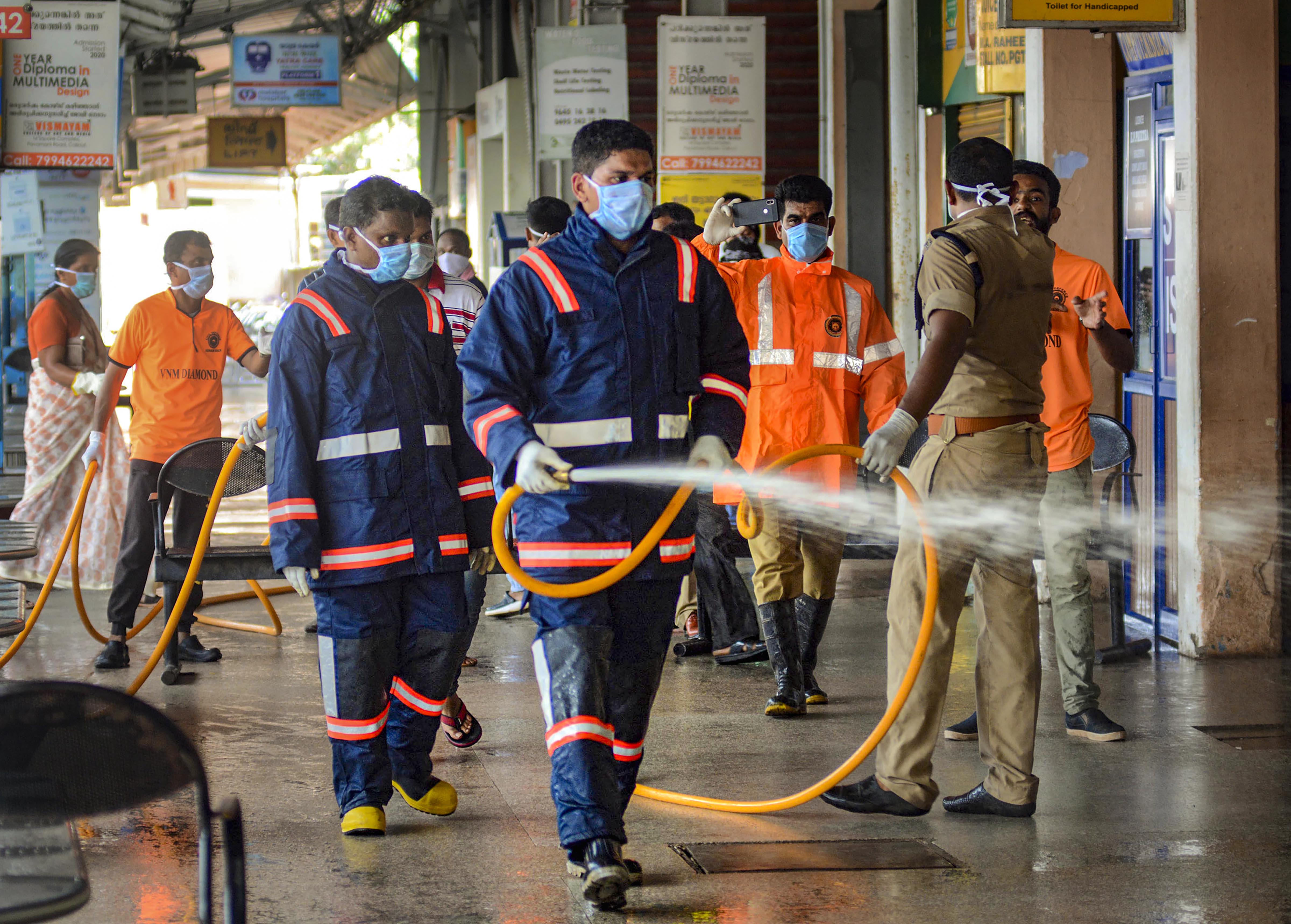
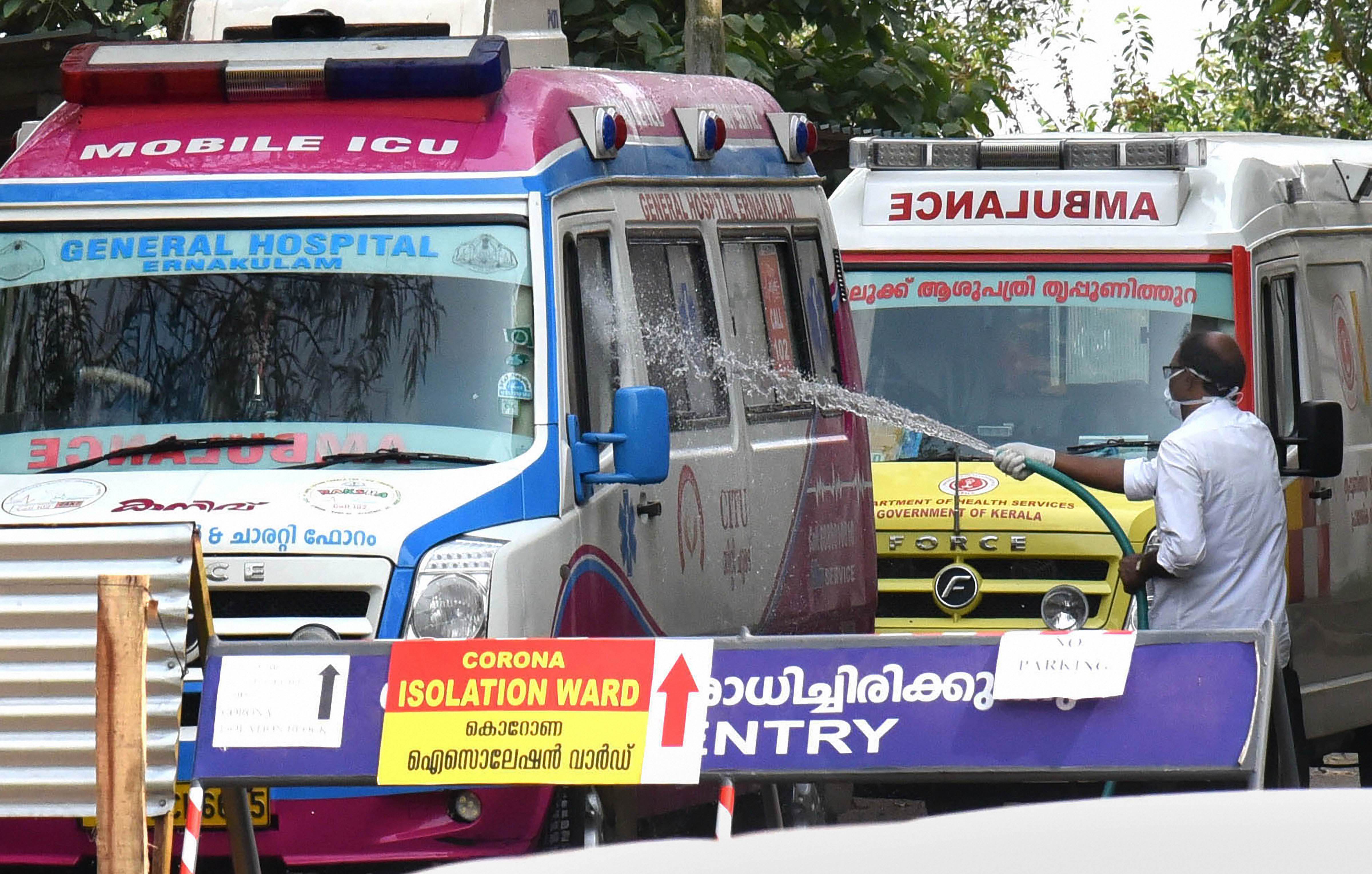
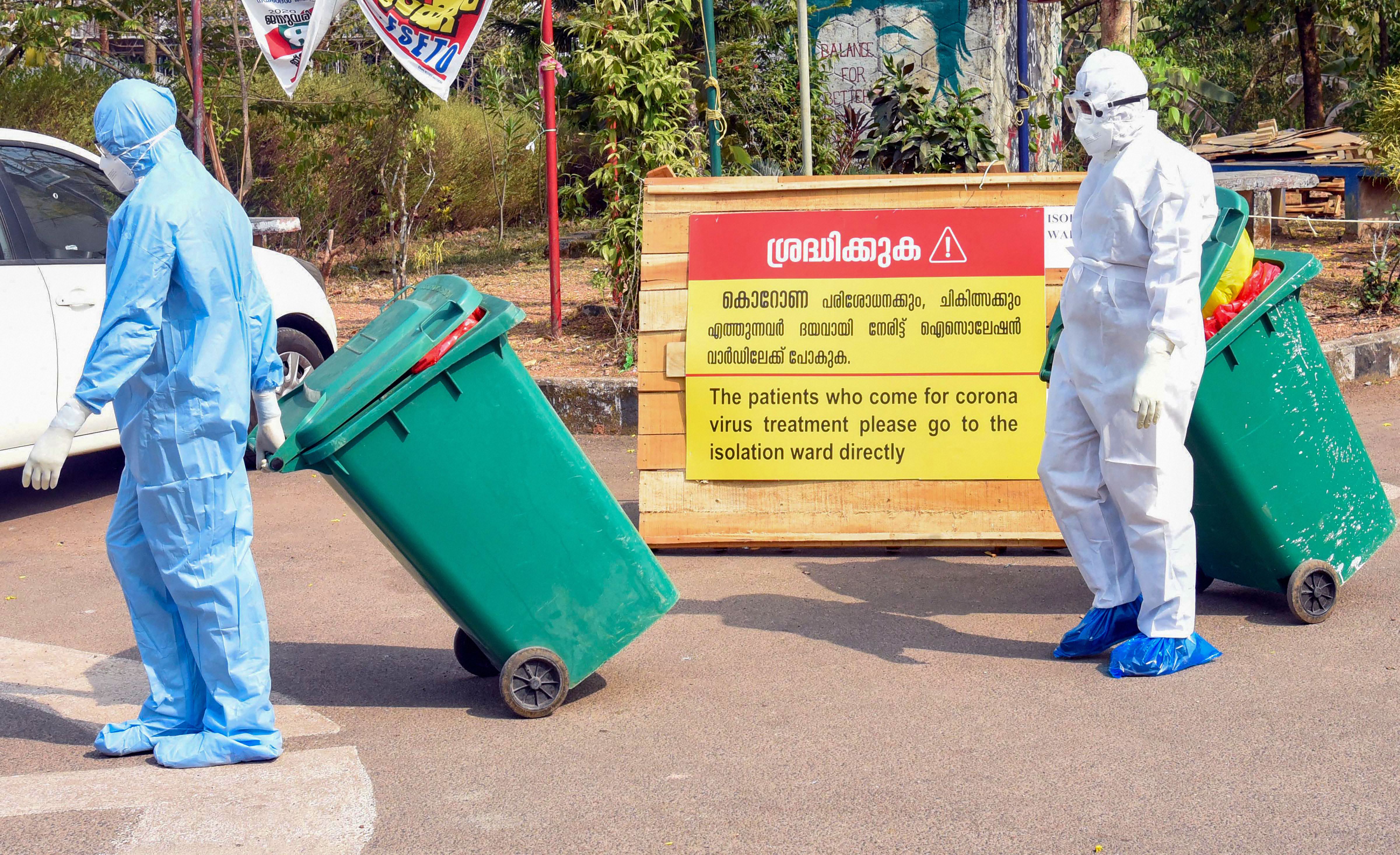
There would have been absolutely no problem with the government decreeing that this year's MPLADS funds should be spent entirely on COVID-19 related measures or projects. That was indeed what I was already doing in my constituency, Thiruvananthapuram, as soon as Covid-19 broke out there. In order to do so, ironically, I had to persuade the central government (through an accidental conversation with the Prime Minister himself, in front of the Lok Sabha Speaker) to amend the rules governing MPLADS funds in order to make time-sensitive and desperately-needed purchases of personal protective equipment, rapid-testing devices, infrared thermometers and scanners and masks for my constituency.
Before the government closed off this route, not only were we able to successfully bring in this equipment to my constituency, Thiruvananthapuram, but the relaxation of the existing rules was beneficial on a national scale since it allowed all MPs to redirect the funds at their disposal towards procurement of such supplies to aid the fight against Covid-19. A dozen MPs from other states had asked me for the contact details of the suppliers I had used to procure and deploy the rapid-testing PCR kits in my constituency.
A Tool For Targeted Solutions
The MPLAD scheme was designed, and has traditionally been utilised, to address and remedy gaps in our governance initiatives that may have been overlooked by the state and central government in their announcements of major development projects. By decentralising the allocations of development funds, MPLADS has allowed legislators to usher small scale and time-sensitive projects within their respective constituencies. In the fight against Covid-19, without waiting for the devolution of funds from the centre or states, parliamentarians would have been able to play a proactive role in bringing in much-needed protection and testing equipment locally and so improve the capacity of our frontline healthcare workers to address the spread of the pandemic.
By removing the resources at their disposal to make critical interventions and bringing them under the ambit of the Consolidated Fund of India, the government has made all that impossible.
Worse, by centralising the allocation of funds, the government has created significant delays in the devolution of funds to where they are most needed.
Clever cartoon on the Centre's decision to sequester MPLADS funds: an MP is passing these funds to nurses, doctors & health workers when the PM grabs the briefcase and runs, saying “Break the Chain!” That's what this unfortunate decision looks like at the constituency level. pic.twitter.com/U224uSJx8r
MPLADS preserved the sense of direct responsibility for the well-being of constituents that is a hallmark of an Indian MP's work. Now the money will be allocated by the Centre and will follow the priorities and preferences of New Delhi, rather than reflect 543 sets of local needs.
This is bad enough, but it also raises other questions regarding allocations. For instance, despite being one of the most affected regions, with 314 Covid-19 victims as of Monday, Kerala has so far only received Rs 157 crore from the first installment of the Centre's share in the State Disaster Response Mitigation Fund, whereas other states that are less affected have received a larger portion of these funds from the Centre. Gujarat, for instance, with just 122 COVID-19 cases, got Rs 662 crore. Delhi's priorities are evidently not those of a distant southern state where the BJP has no presence worth the name.
Call For A Rethink
Therefore, while no MP would disagree on the need to garner additional resources in our nationwide campaign against COVID-19, constituency MPs (those elected to the Lok Sabha, as opposed to the unelected Rajya Sabha MPs who are placed there on the nomination of their parties through captive votes in state assemblies) have unanimously opposed the decision to suspend MPLADS funds, since these have the demonstrated capacity to be deployed as an effective supplement to the initiatives being made by our the central and state governments.
It is still not too late to amend the Cabinet decision in this regard.As an alternative, the government could use its authority to mandate that the MPLADS should be directed for Covid-19 related initiatives and could issue a fresh set of guidelines to enable and ensure this. Actual expenditure, though recommended by the MP, is, after all, in the hands of the collector, an IAS officer answerable to the government.
Process Matters
There are no political differences on the importance of our fight to address the impact of the Covid-19 pandemic. But the precedent set by the manner in which this has been done is disturbing. The government has not only issued an ordinance that changes provisions in a Budget recently approved by Parliament; it has done so not just for the ongoing fiscal year, but also for the next one. The manner in which the government has seized on the Covid crisis to institute, by stealth, a new system of governance by executive fiat in what is still a parliamentary democracy, suggests an ominous trend. If the emergency the country is undoubtedly undergoing can be used to create rule by a single authority, overriding the checks and balances built in by both the federal system and by Parliament, the centralisation of power will go beyond fund allocations to the control of the entire governance structure.
At the same time, we must also ensure that all branches of the government of our country are equipped in their own way to intervene and offer relief to our people in these trying times. The financial resources ultimately belong to the people of this country and have been entrusted to the government by the taxpayers. We must do our best to ensure that these are employed in the most effective, transparent and accountable manner, and in the closest relationship to the needs on the ground. Adding more money to the account of a remote central bureaucracy will clearly not get us there.
Shashi Tharoor is the Member of Parliament for Thiruvananthapuram in the Lok Sabha, from the Indian National Congress. He is a former Minister of State in the Government of India, and a former Under Secretary General at the United Nations.
The views expressed here are those of the author and do not necessarily represent the views of BloombergQuint or its editorial team.
Essential Business Intelligence, Continuous LIVE TV, Sharp Market Insights, Practical Personal Finance Advice and Latest Stories — On NDTV Profit.