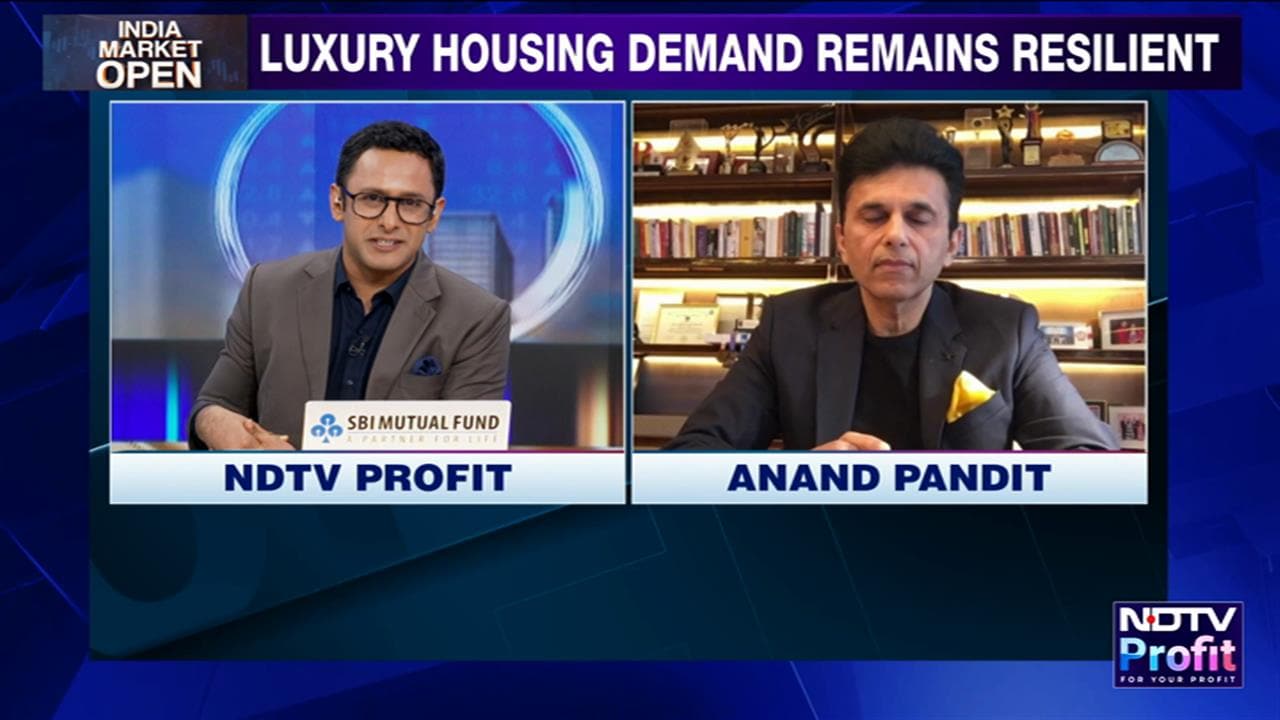
With the hurdle determining France's new leader now cleared, the European Central Bank (ECB) will be able to shift focus to normalise policy as early as next year. That's the word coming in from Greg Gibbs, director at Amplifying Global FX Capital.
While Gibbs expects the dollar to perform well towards the end of the year, he sees the rupee continuing to strengthen going ahead.
Below are edited excerpts from that conversation:
We have seen the euro strengthen against dollar to a certain extent since the first round of the French election. What is the way forward and how much more can we expect the euro to strengthen?
The euro has performed quite against not only the U.S dollar but also against Japanese yen and several other emerging market currencies after the first round of [French] elections. It might have stalled against the U.S. dollar here, somewhat below the 1.10 level, but it is at the new high against the yen and some of the other currencies, including gold. The U.S. dollar has itself performed well in the last week or so but the euro has held its ground against the U.S. dollar recently and moved to the high range. It hasn't extended its gain in the second round, so it is consolidating here at the moment.
What does Macron's win mean for the European Central Bank's (ECB) policy, does the mean the settings with respect to stimulus and various other settings remain the same?
There has been certain political risk elements that have been hanging around in the Eurozone, which has been a factor. The ECB has not mentioned it in any of the statements, but certainly, the market has been looking at stronger growth, which we have seen in the PMI figures. The earnings have risen to new high for April and even the core inflation figure for the month of April have popped-up again. So it does look like the overall policy is working and they will be on the track to normalise the policy next year. So if you take away the big political risk, the market will focus back on normalisation.
You have written about the political risk in Europe ebbing. But you also see increase with respect to the political risk when it comes to U.S. and Trump's policies. How are you viewing the policy? Going forward what does this mean for the U.S. Dollar Index?
The U.S. dollar has been pretty mixed this year and it took off early in the year when Trump was first elected where he spoke about infrastructure spending and tax reforms in particular. The early part of his presidency has been about immigration controls and board of policy which has had a mixed impact on the U.S. dollar. He came out with very aggressive plan for the tax policy a couple of weeks ago, Certainly now the market is looking at how it is going to get through Congress and there are a number of hurdles that he is likely to face particularly when we get to September-October later this year, there will be debt-ceiling issues which will return to the U.S. The market has political risk associated with the U.S. implementation of the policies. If we do get the tax reform as outlined by the Trump administrations with 15 percent corporate tax rate, the U.S. dollar could perform very well at the end of this year or next year. But the market still has the political risk associated with the implementation in the U.S. at the moment.
You also have the U.S. Federal Reserve maintain the status quo last week. What do you make its commentary there and how much of head room does the federal reserve have when it comes to rate hikes, going forward over the next, say six to eight months?
Well, we did get some comments from some Fed members such as San Francisco Fed President, Williams on Friday, after that very strong employment figure, with unemployment falling to 4.4 percent, now well below the Fed's medium term target of 4.8 percent on unemployment. So, we haven't seen the wages pick up yet, so I guess you know that does suggest they cannot rush to raise rates, but certainly everything is moving in the direction they've stated earlier, or even as late as December last year, and they are moving towards raising rates steadily, and I think that's why the U.S. dollar is performing a little better even today, in Asia, after that strong employment figure on Friday, it does point to a likely rate hike, for instance in June, it does sort of suggest there's a good possibility you get another one in September. But then I guess the market will be looking to the process where they're talking about winding back their quantitative easing or reducing the size of their balance sheet, and that will be a factor which comes into play later in the year. But you know they haven't had a smoking gun on inflation yet. Inflation still below their target, the wages growth number was pretty subdued, so we get to see real evidence of inflation. If that was to kick in, well that could really change the pitch for the Fed.
So I'm gonna come down to the emerging markets currencies basket, among them, which according to you are poised to strengthen further?
Well, that's a tough question. You've seen quite a mixed performance in emerging currencies. The Indian rupee has been one of the stronger performing currencies. Its growth outcomes have been generally quite good this year. The inflation numbers are coming down and that's generally seen as positive. The Chinese Yuan for instance has been one of the weaker currencies this year and I think the market is showing more concern over its sustainability and credit growth. And that's impacting the Chinese currency. Those two currencies are moving in opposite directions, and that trend may continue. We have an election this week in Korea for the new president. The [South] Korean Won's been actually performing quite well. Korean stocks have been performing quite well, but has a number risk elements associated with North Korea, and that election. The other South-East Asian currencies have been relatively weak. So maybe it's time they show a bit of strength. From a relative strength perspective, maybe you can see some strength returning to the high risk South-East Asian currencies like the Indonesian rupiah, or Malaysian ringgit.
Talking specifically about the Indian rupee, the Reserve Bank of India seems comfortable with the levels at which the Indian rupee is trading at. However, there's a feeling that they Indian rupee is overvalued, that's at least some traders feel that way. What is your opinion specifically on the Indian rupee?
You know it's not a currency, which flashes cheap. That's certainly the case related to other currencies; admitted it has generally a higher inflation rate over the years. You know, it still has balance of payment issues and there's a lot to be done on reforming the economy. But it is moving in the right direction. It does offer yield and in this environment of generally low volatility you can see the currency continue to strengthen. But yes, it doesn't necessarily flash as a cheap currency from a broader measures of purchasing power parity.
Essential Business Intelligence, Sharp Market Insights, Practical Personal Finance Advice, Daily Fuel, Gold and Silver Prices and Latest Stories — On NDTV Profit.