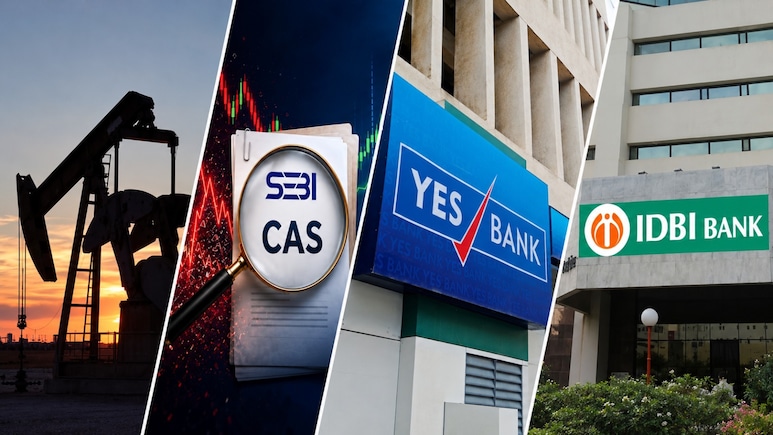
- IDBI Bank revival ends nine-year wait with Rs 52,000 crore Fairfax investment
- Supreme Court sets aside Rs 8,415 crore Yes Bank AT1 bond write-off order
- SEBI revises closing auction session to 10 minutes for better price discovery
Two long-pending issues found closure this week, and one irritant for the markets has been fixed. First, IDBI Bank. Fairfax, the investment firm of Canadian billionaire Prem Watsa, has placed a Rs 52,000 crore bet on the lender, ending a nine-year effort to save and revive it.
IDBI Bank today is a far cry from the institution that needed rescuing in 2017. A deal at a price acceptable to the government also underlines the strength of the financial sector. It is the ninth mega deal in the space, a show of confidence in a vital sector at a turbulent time.
The nine-year wait for an IDBI suitor was less painful than the six-year wait of Yes Bank's Additional Tier 1 (AT1) bondholders. The Supreme Court on Thursday upheld the Bombay High Court's decision to set aside the March 2020 write-off of Rs 8,415 crore, ruling that the administrator acted beyond his authority. How and when bondholders will see any returns is still a matter of legal interpretation, but the verdict highlights the risk in the instrument.
Also Read | Layoffs Are Rising In Tech, But These Skills Are Helping People Unlock Better Pay
READ | US Crude Oil Tops $100 As Iran Escalates Hormuz Attacks, WTI Up 9% This Week
AT1 bonds are meant for institutions: they pay higher yields because they carry greater risk. The Yes Bank episode was also a case of mis-selling to investors who did not understand what they were buying. Hopefully, it will serve as a cautionary tale. Market participants have also got relief, in the form of a revised closing auction session (CAS). The Securities and Exchange Board of India (SEBI) introduced the CAS on August 3 for more transparent price discovery.
What followed was sharp volatility in the last 20 minutes of trade, worse on derivatives expiry days. The revised session runs for 10 minutes, from 3:30 pm to 3:40 pm every trading day, with derivatives trading continuing until 3:45 pm. Settlement of expiring derivatives will now use the volume-weighted average price (VWAP) of the last 30 minutes of trade, a change that bears directly on expiry days.
One change comes later, on February 8, 2027. It covers iceberg orders, where a large buyer or seller shows only part of the quantity to the market, as they move from regular trading into the auction. Dhiraj Relli of HDFC Securities explained: "When you want to place a large order, you can disclose a quantity that you would want to show to the buyers. Minimum 10% quantity must be disclosed... The change is that after February 8, there will be an option to opt out. If you don't, the whole quantity will be disclosed."
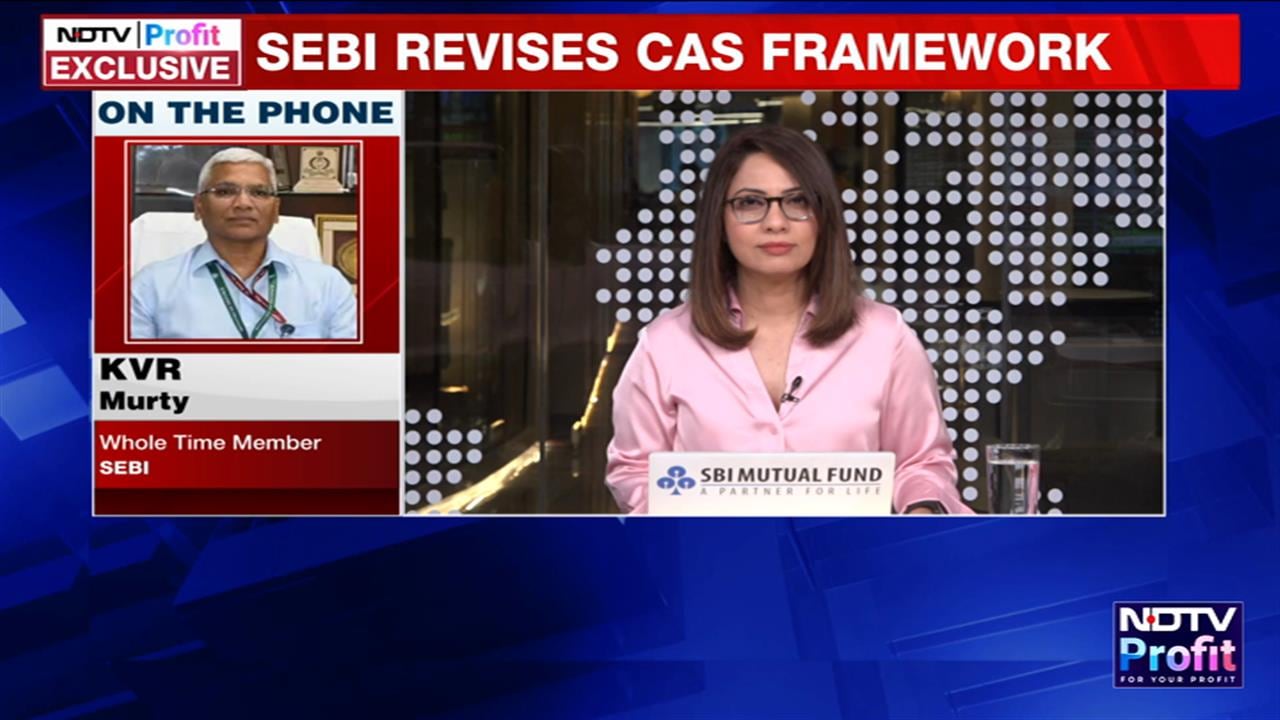
READ | SEBI To Wait At Least A Year Before Revisiting CAS, Says KVR Murty
It is also a credit to SEBI that it was open to feedback and willing to course-correct. Whole-time member KVS Murty told me the revised version, effective December 7, will stay for at least a year. That clarity should help calm nerves. Domestic issues may be getting resolved, but the biggest pain point remains: high crude prices and a ballooning import bill still hang over India.
The US midterm elections on November 3 are now being watched worldwide for one more reason. Donald Trump has hinted at no escalation against Iran until then, but a proxy war between the Houthis and the Saudis is keeping energy markets uneasy. Investor worries over AI valuations could be a short-term positive for India, which looks more attractive in relative terms. A serious meltdown, though, will spare no one.
Essential Business Intelligence, Sharp Market Insights, Practical Personal Finance Advice, Daily Fuel, Gold and Silver Prices and Latest Stories — On NDTV Profit.