- OPEC+ approved a 188,000 bpd production increase from September among seven key producers
- The rise completes the planned unwinding of 2023's major OPEC+ supply cut packages
- Middle East conflict limits immediate impact as oil flows through Strait of Hormuz remain constrained
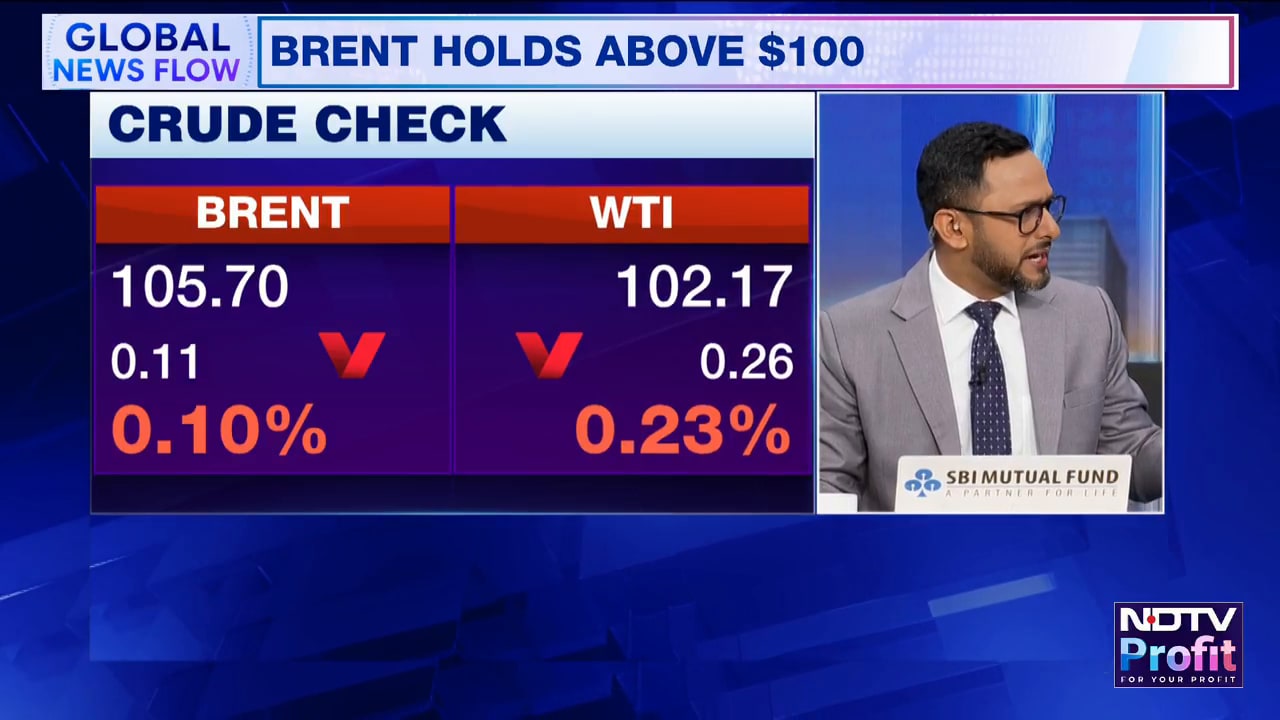
OPEC+ has approved another small increase in oil production targets, completing the planned unwinding of a major round of supply cuts introduced in 2023. However, the decision may have little immediate impact on global oil supplies as the Middle East conflict continues to disrupt exports.
Seven key OPEC+ producers, including Saudi Arabia and Russia, agreed to raise their combined production target by 188,000 barrels per day from September. The other participating countries are Iraq, Kuwait, Kazakhstan, Algeria and Oman.
The increase was widely expected and marks the completion of the second of three production-cut packages introduced by the wider OPEC+ alliance.
Also Read | Layoffs Are Rising In Tech, But These Skills Are Helping People Unlock Better Pay
The bigger question for the oil market is what happens once supplies through the Middle East return to normal.
OPEC+ Has More Oil To Add If Flows Normalise
The latest quota increase is relatively small compared with the scale of the earlier cuts. Its importance lies in the additional production capacity it could give major producers, particularly Saudi Arabia, once regional supply disruptions ease.
The conflict has severely affected oil flows through the Persian Gulf, with traffic through the Strait of Hormuz facing major constraints. This means higher production quotas do not automatically translate into more oil reaching global buyers.
Surplus Risk Could Return After The War
Once shipping and exports return to normal, the market could face a very different problem.
Oil supplies that are currently being held back by the conflict could return at the same time as OPEC+ has more room to produce. That could bring back concerns about a supply surplus and put pressure on crude prices.
Those concerns had already emerged during the previous US-Iran ceasefire, when traders began looking ahead to higher supply.
A return of additional barrels would also help replenish global inventories that have been reduced by the recent supply disruption. However, it could put OPEC+ in a difficult position if demand fails to keep pace with the increase.
Also Read: OPEC Output Surged In June As Hormuz Flows Jumped, Survey Shows
OPEC+ Likely To Pause After September
Analysts expect the group to take a more cautious approach after the September increase.
Rystad Energy expects OPEC+ to hold production levels steady during the fourth quarter before discussions begin around quotas for 2027. That could give producers time to assess the impact of restored exports, global demand and oil prices before deciding whether to release more crude.
The group has already raised production targets several times since 2025 after years of restricting supply. Between late 2022 and 2023, OPEC+ introduced three rounds of cuts that reduced its combined output by nearly 6 million barrels per day.
The strategy later shifted towards gradually bringing those barrels back to the market.
Why The Quotas May Not Tell The Full Story?
Higher official quotas do not necessarily mean that producers can actually deliver the additional crude. Several OPEC+ members are struggling to produce at their assigned targets because of declining production capacity and other operational constraints.
Russia is also facing pressure on its oil industry after repeated Ukrainian drone attacks on energy infrastructure. Its production is currently around 9 million barrels per day, below its OPEC+ target of about 9.8 million barrels per day.
The UAE's exit from the group in May has added another layer of uncertainty. Its departure followed years of frustration over production restrictions and has raised questions about how much longer OPEC+ members will remain willing to accept coordinated limits.
For now, the September increase looks more like the end of an old supply-cut strategy than the beginning of a major new wave of oil production. The real test for OPEC+ will begin when Middle Eastern exports return to normal and the barrels that are currently trapped by the conflict can finally reach the global market.
Also Read: Crude Crash On Cards? OPEC Chief Differs With IEA's Oil Supply Glut Forecast
Essential Business Intelligence, Sharp Market Insights, Practical Personal Finance Advice, Daily Fuel, Gold and Silver Prices and Latest Stories — On NDTV Profit.