Oil Slumps To Lowest Since 2021 As China's Covid Protests Fuel Demand Worries
Oil futures fell more than $1 early on Monday as protests in top importer China over strict COVID-19 curbs fuelled demand worries, while investors remained cautious ahead of an agreement on a Western price cap on Russian oil and an OPEC meeting.
Brent crude dropped $1.01, or 1.2 per cent, to trade at $82.62 a barrel at 0110 GMT. US West Texas Intermediate (WTI) crude slid $1.09, or 1.4 per cent, to $75.19.
Both benchmarks, which hit 10-month lows last week, have posted three consecutive weekly declines. Brent ended the latest week down 4.6 per cent, while WTI fell 4.7 per cent.
"On top of growing concerns about weaker fuel demand in China due to a surge in COVID-19 cases, political uncertainty, caused by rare protests over the government's stringent COVID restrictions in Shanghai, prompted selling," said Hiroyuki Kikukawa, general manager of research at Nissan Securities.
WTI's trading range is expected to fall to $70-$75, he said, adding the market could stay volatile depending on the outcome of the OPEC meeting and the price cap on Russian oil.
China, the world's top oil importer, has stuck with President Xi Jinping's zero-COVID policy even as much of the world has lifted most restrictions.
Hundreds of demonstrators and police clashed in Shanghai on Sunday night as protests over China's strict COVID restrictions flared for a third day and spread to several cities in the wake of a deadly fire in the country's far west.
The wave of civil disobedience is unprecedented in mainland China since Xi assumed power a decade ago, as frustration mounts over his zero-COVID policy nearly three years into the pandemic.
Meanwhile, Group of Seven(G7) and European Union diplomats have been discussing a price cap on Russian oil of between $65 and $70 a barrel, with the aim of limiting revenue to fund Moscow's military offensive in Ukraine without disrupting global oil markets.
But a meeting of EU government representatives, scheduled for Nov. 25 evening to discuss the issue, was cancelled, EU diplomats said. The price cap is due to come into effect on Dec. 5 when an EU ban on Russian crude kicks off.
Investors are also focusing on the next meeting of the Organization of the Petroleum Exporting Countries and allies, known as OPEC , on Dec. 4.
In October, OPEC agreed to reduce its output target by 2 million barrels per day through 2023.

-
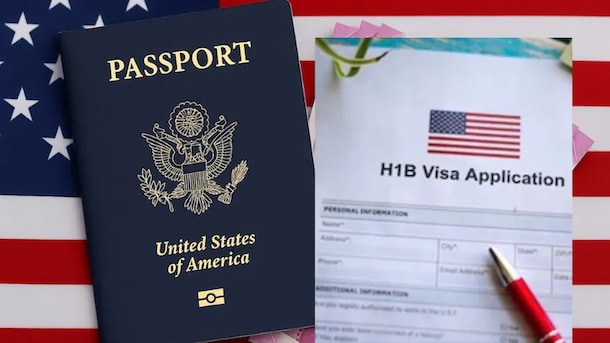
High US Salaries, No Green Card Certainty: The Financial Calculation Facing Indian H-1B Families

The suspension of PERM processing at eight technology employers does not cancel existing H-1B visas. What it does is force a question many Indian families have been avoiding: is the US salary worth tying your career and family plans to one employer?
-
Swiggy vs Eternal: Food Delivery's Two Rivals Are No Longer In The Same Race
Eternal is building a private AI assistant, dark.ai. Swiggy is still working out how to make Instamart pay, with an operating loss of Rs 895 crore in the July-September quarter while Blinkit stayed profitable.
-
Where You Live Shapes How You Get To Work | The Reason Why
Two-wheelers are the most popular way to get to work in India, accounting for nearly 43% of workplace commutes.
-
Unhedged Position: Can India See An Indonesia-Style Time Correction?
The Nifty is trading below levels it first clocked in 2024. Is there, then, as I have suggested in the headline, potential that the current time correction drags on painfully for the next three-five, even ten years?
-
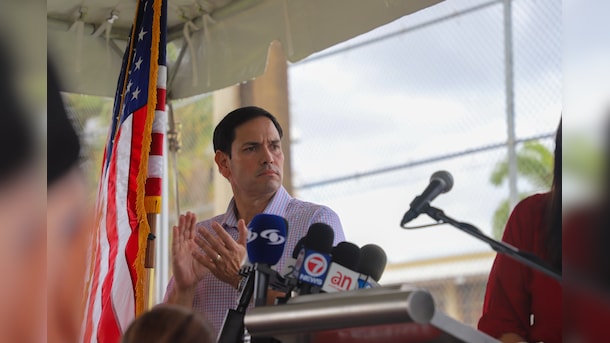
Navigating Friction And Energy Realities: An Analysis Of Marco Rubio's October Visit To India
Occurring at a critical juncture marked by stalled trade negotiations and escalating geopolitical pressures over global energy supplies, the visit offers a profound window into modern US-India relations.
-
India Exports Capital. Why Not Export Trusteeship?
The big question, then, is whether India can build an institution that global borrowers, investors, banks, and lawyers can trust, even without an Indian connection.
-
France's Economy & Politics Are In Crisis | The Reason Why
Let's look at how the French economy and politics evolved under Nicolas Sarkozy, Franois Hollande and Emmanuel Macron.
-
You May Inherit The Business. You Must Earn Its Credibility.
Succession tests the founder's ability to share authority as much as it tests the next generation's readiness to assume it.
-
Signing Deals Is One Thing; Making Them Work Is Another | The Week In Whys
Sometimes, things don't turn out as planned. Indian companies have lost some bids to rivals, some projects won't produce until 2030.
-
FOMC Wall, PERM Suspension, Hospital Stocks | Talking Points This Week
A PERM suspension would directly affect green-card sponsorship rather than H-1B visas, so the near-term earnings impact could remain relatively limited. The key question is whether this marks a new phase in US scrutiny of Indian IT.