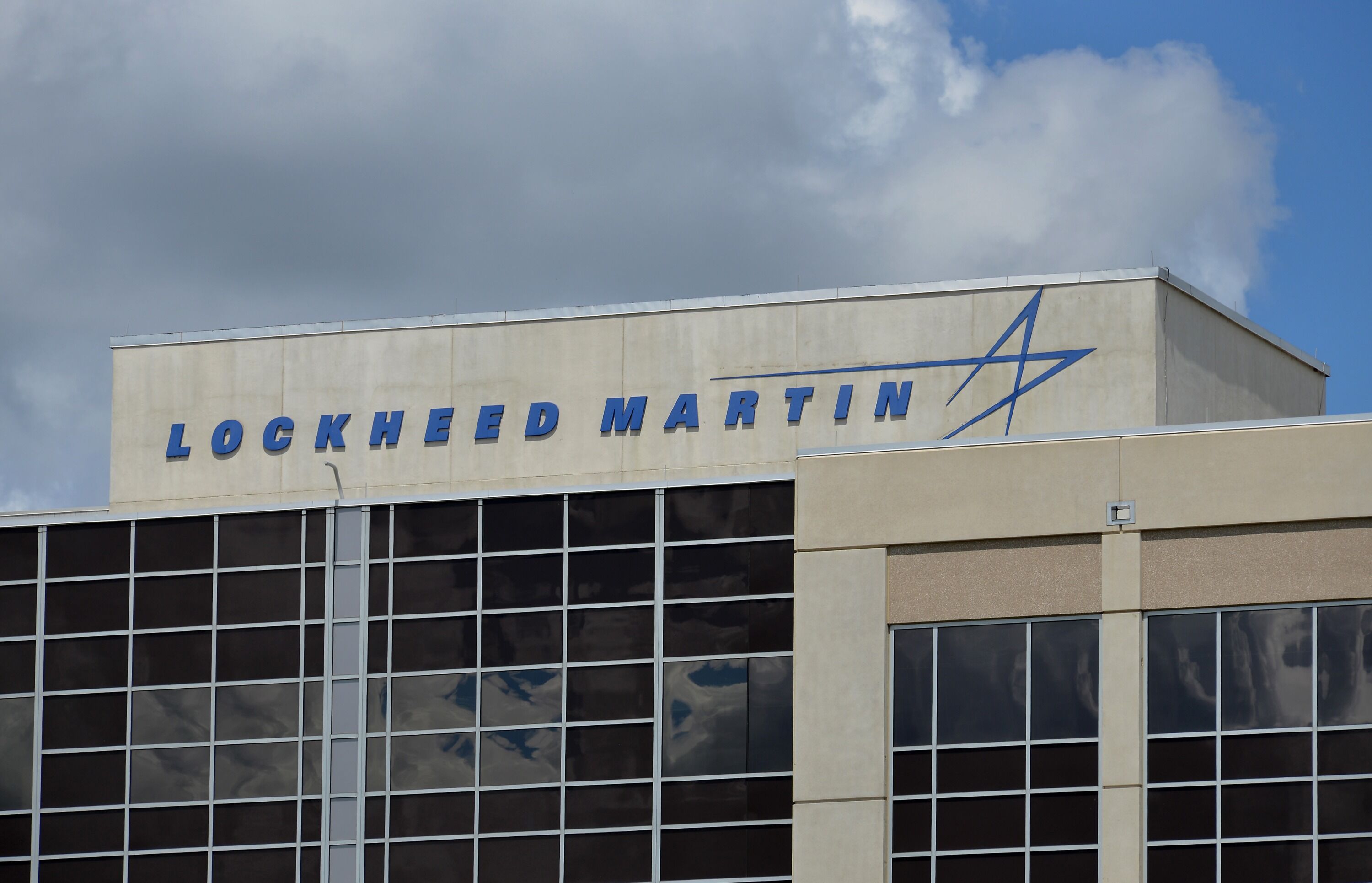
(Bloomberg) -- A Department of Defense agency and NASA picked Lockheed Martin Corp. to design and develop the first nuclear thermal rocket engine to be tested in space, part of a program called DRACO.
Through a contract announced on Wednesday with the federal research and development organization known as Darpa, Lockheed Martin will design and build the nuclear-propelled engine along with an experimental spacecraft, called X-NTRV. The goal will be to launch the spacecraft with the nuclear engine in 2027.
NASA will commit $300 million to DRACO, while the US Space Force will provide the launch vehicle and pad for the X-NTRV vehicle.
The idea of nuclear thermal propulsion has long been considered as a way to send shortened crewed missions to Mars. Such engines could produce high thrust, but more efficiently and with less complexity than traditional chemically powered rocket engines.
Nuclear-powered rocket engines work by transferring heat from a reactor to hydrogen propellant. As the hydrogen heats up, it expands and is funneled out of a nozzle, producing thrust.
Though Lockheed Martin will create the engine, Virginia-based BWX Technologies will build the nuclear fission reactor for the engine. The Department of Energy will also contribute high-assay low-enriched uranium (HALEU) fuel for the reactor.
To date, there has been no in-space demonstration of nuclear thermal propulsion. In the 1960s and 70s, NASA conducted a program called NERVA, which aimed to develop a nuclear-powered rocket engine for deep-space missions, though nothing ever flew in space. In January, NASA and DARPA announced their plans to collaborate on DRACO to perform an in-space demonstration of the technology.
An operational failure could present the risk of spreading radioactive material. “The reactor will not be turned on until the spacecraft has reached a nuclear safe orbit,” Lockheed Martin said in a statement, making the system “very safe.”
More stories like this are available on bloomberg.com
©2023 Bloomberg L.P.
Essential Business Intelligence, Continuous LIVE TV, Sharp Market Insights, Practical Personal Finance Advice and Latest Stories — On NDTV Profit.