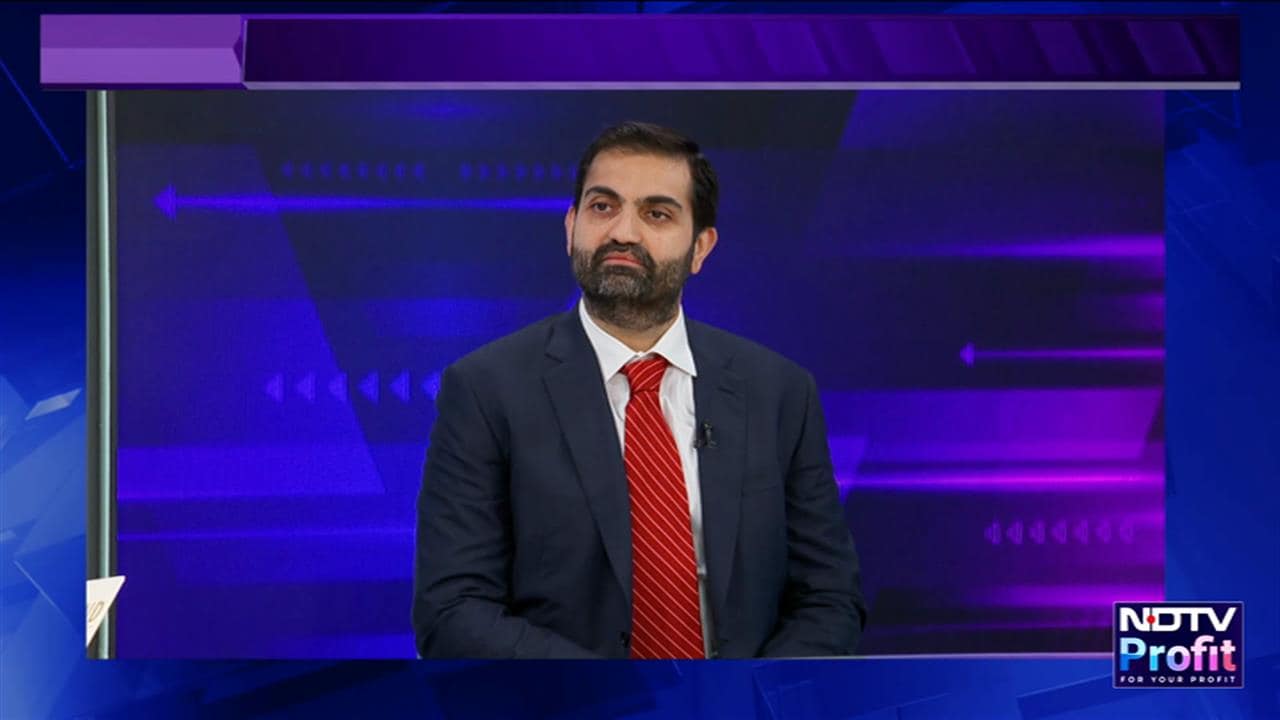
Job losses and salary cuts endured by Indians in 2008 could look like a “minor hiccup” compared to what Asia's third largest economy will have to face if disruptions caused by the Covid-19 pandemic continue, according to Manish Sabharwal.
While corporations and managers held on to some cautious optimism after the first lockdown was announced in March, the economic pain is now becoming clearer with the lockdown extended. The Indian economy may see its first contraction in 40 years as a result of the lockdown and weaker consumer demand, according to one estimate by Nomura Global Market Research.
“There was a light at the end of the tunnel which felt like this would be a 30-day thing or a 45-day thing, but that light at the end of the tunnel turned out to be an incoming train,” Sabharwal, co-founder and chairman at jobs portal TeamLease Services Ltd., told Bloomberg Quint in an interview.
Speaking about a flurry of layoffs and salary cuts announced by private businesses, Sabharwal said that all parts of the economy will have to make sacrifices. While the government appealed to private companies to not lay off workers, the expectation is unfair, he said.
Layoffs are unavoidable, Sabharwal said.
Despite the stereotype that India's corporate sector is mostly made up of employers like the Tatas, Birlas or HDFCs, only 19,500 companies in India have a paid-up capital of more than Rs 10 crore, Sabharwal said. Out of the 6.3 crore enterprises, only 12 million are registered for Goods and Services Tax and only 1 million pay social security, he added.
While some corporations can withstand an extended period of economic weakness, others cannot. “We are all in the same storm but we're not all in the same boat.”
Modern corporations are rivers. We are not ponds or oceans. So the notion that a demand shock or macroeconomic cataclysm, like what has happened in the last 40 days, will not affect the labour markets is just delusional.Manish Sabharwal, Chairman & Co-Founder, TeamLease Services
Over the last 40 days, companies have tried to keep some part of their operations going by allowing employees to work from home.
This is only a stop-gap solution, said Sabharwal. “This notion that work from home has somehow allowed corporate India to tide over the crisis and can let the policy of 100 percent lockdown continue is not fair and not right.”
Only 5% of India has broadband WiFi installed in their homes, he said, highlighting the challenges of working from home. Even though 60 percent of graduates can do that, only 10 percent of non-graduates can work from the safety of their houses, he said.
Short Term Labour Shortage?
While the country does not have official high frequency labour market data, India's unemployment rate, put together by the Centre For Monitoring Indian Economy, or CMIE, shows a spike in the last week of March and the first week of April.
Together with a rise in the unemployment rate, the labour force participation rate has fallen. Sabharwal said that for certain sections of industry, including manufacturing and construction, wage costs may rise temporarily as migrant labourers take time to return to work sites.
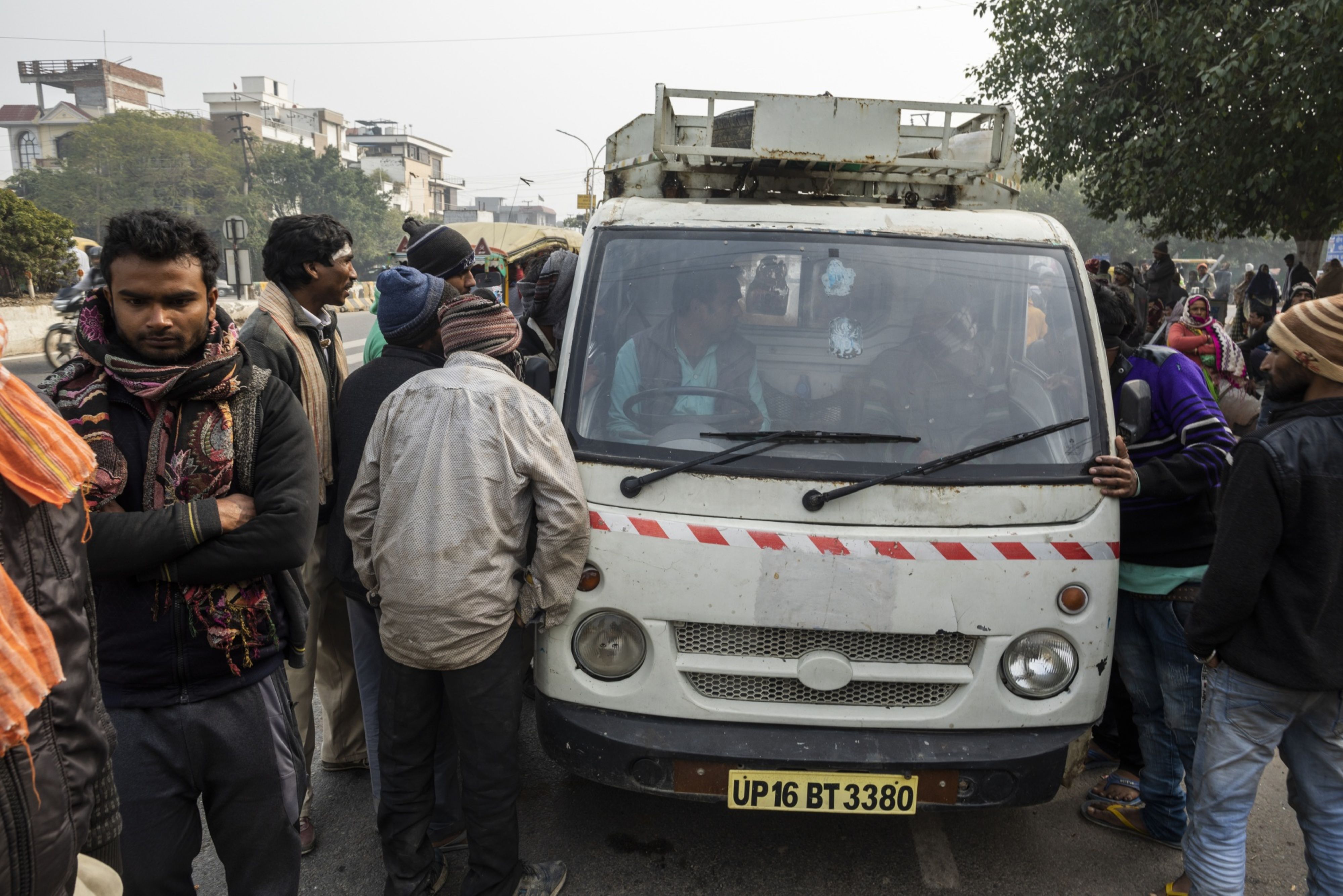
Millions of migrant labourers are part of an ongoing exodus back to their villages as the lockdown rid them of their daily wages. These workers will return to the cities in search of work once more, but the process could take a few months, Sabharwal said. In the meanwhile, if all economic activity were to be resumed today, India would see a spike in labour wages, he said.