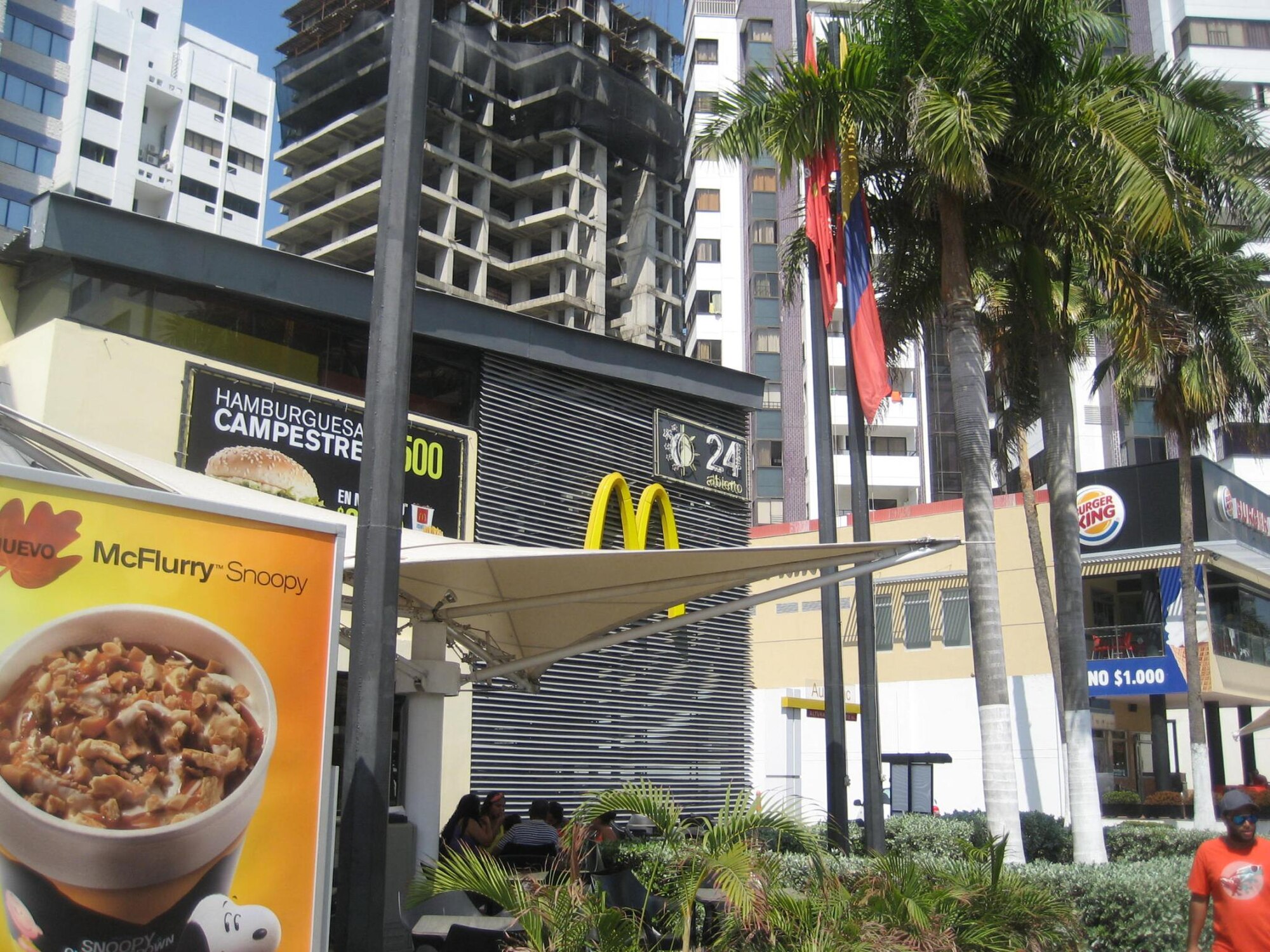
Gas supply disruptions linked to the ongoing Iran conflict could begin to affect the operations of India's quick-service restaurant (QSR) chains, with operators of McDonald's, Domino's Pizza and KFC facing the possibility of rising costs, weaker sales and potential menu disruptions, according to a research note by brokerage JM Financial.
The brokerage warned that a prolonged disruption in LPG availability could create operational challenges for the sector, where most kitchen processes depend heavily on gas-based cooking.
The risk has emerged as tensions in West Asia begin to disrupt energy supply chains, forcing restaurant operators to reassess kitchen operations, menu strategies and cost structures.
According to the note, while large restaurant chains typically maintain stronger supply arrangements than smaller eateries, the broader industry remains exposed to any sustained shortage or sharp increase in commercial LPG prices.
“For QSR operators such as Westlife FoodWorld, Devyani International, Sapphire Foods India and RBA (Restaurant Brands Asia), the immediate concern pertains to higher kitchen operating costs and the probability of store closures in certain micro markets, which could temporarily affect outlet operations and restaurant-level margins,” JM Financial reportedly said in the note.
Also Read: Iran Brings US, Israel-Linked Banks, Economic Hubs Under Radar As War Escalates
Channel checks by the brokerage indicate that about 60–65% of cooking at most QSR chains relies on LPG, with operators usually maintaining supply buffers that last one to two weeks. If shortages were to disrupt deliveries even briefly, the financial impact could be significant.
“In the event of non-availability of LPG cylinders even for five days, we estimate revenue per store would drop by 6% and EBITDA (restaurant-level) by 14–20% for the quarter versus the normalised level of operations,” the brokerage was quoted as saying in its report.
India's organised quick-service restaurant sector uses LPG extensively to power fryers, grills, ovens and other high-speed kitchen equipment. The risk becomes more acute during supply shortages because government policy prioritises LPG distribution to households over commercial users such as restaurants.
JM Financial added that shifting to alternative cooking methods such as induction systems may not be viable for many menu items, particularly those requiring deep frying or flame-based preparation, which rely heavily on gas.
The industry is also facing rising input costs. According to the brokerage, commercial LPG cylinder prices have already risen about 8% month-on-month in March 2026, increasing operating expenses for restaurant chains that run large networks of outlets with energy-intensive kitchens.
If elevated fuel prices persist, operators may have to absorb some of the increase in the near term or gradually pass it on to customers through menu price hikes.
Also Read: IEA Proposes Massive Release Of Emergency Oil Stockpiles
The LPG concerns stem from broader disruptions to global energy supply chains linked to escalating geopolitical tensions in West Asia, a region that accounts for a significant share of India's LPG imports. Any disruption in shipping routes or regional supply flows can quickly tighten domestic availability.
Reports cited in the note suggest commercial LPG supplies have already been disrupted in several cities as authorities prioritise household cooking gas. Because households receive priority during shortages, commercial users such as restaurants are often the first to face restrictions.
JM Financial said that while the situation remains fluid, the sector has limited buffers if supply disruptions continue. For an industry built on high-volume kitchens and tightly managed store operations, even a brief interruption in fuel supply could slow service, limit menu offerings and weigh on quarterly earnings.
Essential Business Intelligence, Continuous LIVE TV, Sharp Market Insights, Practical Personal Finance Advice and Latest Stories — On NDTV Profit.