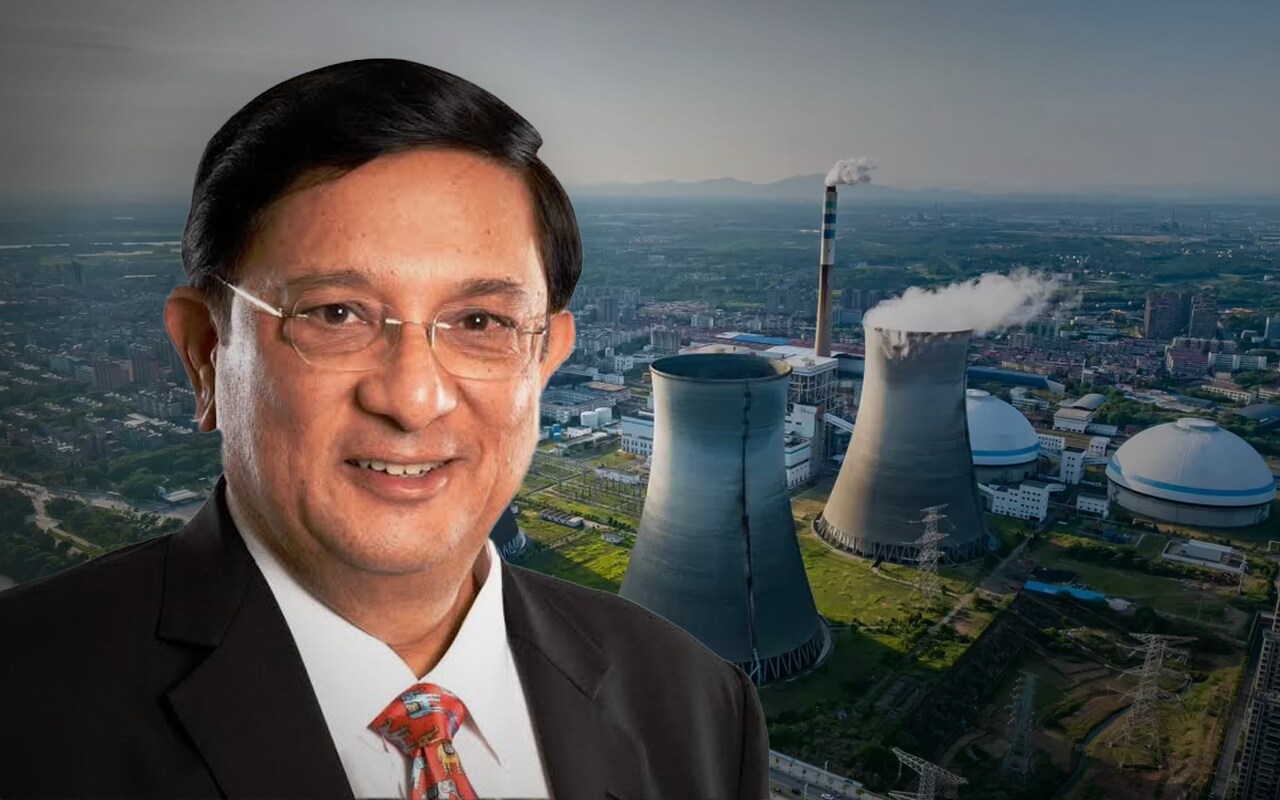
As India's power sector eyes achieving 50 gigawatts of nuclear energy capacity by 2047, Vinayak Chatterjee, founder and managing trustee of The Infravision Foundation, believes the country's nuclear power ambitions are poised at a critical inflection point. A technology long cloistered by global superpowers is now being re-evaluated as a key pillar in India's future energy mix, he said.
"In France, 70% of energy needs are met through nuclear power. Think about that. In India, it's just 2%," the noted infrastructure expert added, while pointing out the scale of untapped potential.
India's nuclear programme, conceptualised as early as the 1950s by Dr Homi Bhabha, has seen little momentum since, Chatterjee said. Nuclear power, once weighed down by geopolitical sensitivities and policy hurdles, is back in focus as the country charts its path to energy security and carbon neutrality.
To meet the ambitious 50 gigawatts target, Chatterjee outlines the need to "open up the field to a large number of investors." Two key roadblocks, however, stand in the way.
Nuclear Energy Evolution In India: What Went Awry
First, the Civil Liability for Nuclear Damage Act of 2010 (often referred to as the Nuclear Liability Act), which puts the onus of liability on suppliers in case of an accident. "India was fairly adamant that the nuclear liability… were to remain with the supplier," Chatterjee said, noting that this stance proved "quite harsh" and significantly stalled the sector's development.
Since then, major players such as Westinghouse Electric, Hitachi Nuclear displayed reluctance and were "cagey" about participation in the fear of being held responsible for any mislead in the "next infinite number of years."
A suggested alternative now is to reduce the liability clause to make it more practical, as stated by Chatterjee. Risks can be split between equipment supplier, the operator, and the situations thereof, indicated the power sector expert.
The second challenge is of financial barrier. "Nuclear power is capex intensive and therefore, in many senses, unviable," Chatterjee said, estimating that building nuclear capacity could require four to six times the capital needed for conventional power.
"Since we're now expecting private players to contribute 50% of capital… you have to look at incentive packages like viability debt funding, soft loans, etc."
The Infravision founder points towards the semiconductor space as an example, where the Tata group has committed Rs 90,000 crore — a "proud investment for India" — backed by 70% government support.
Chatterjee is optimistic. "I am told that the government is alive to the fact that it needs to balance private sector interest and enthusiasm with the necessary safeguards and come up with a package," he said.
Watch Full Interview Here
Essential Business Intelligence, Continuous LIVE TV, Sharp Market Insights, Practical Personal Finance Advice and Latest Stories — On NDTV Profit.