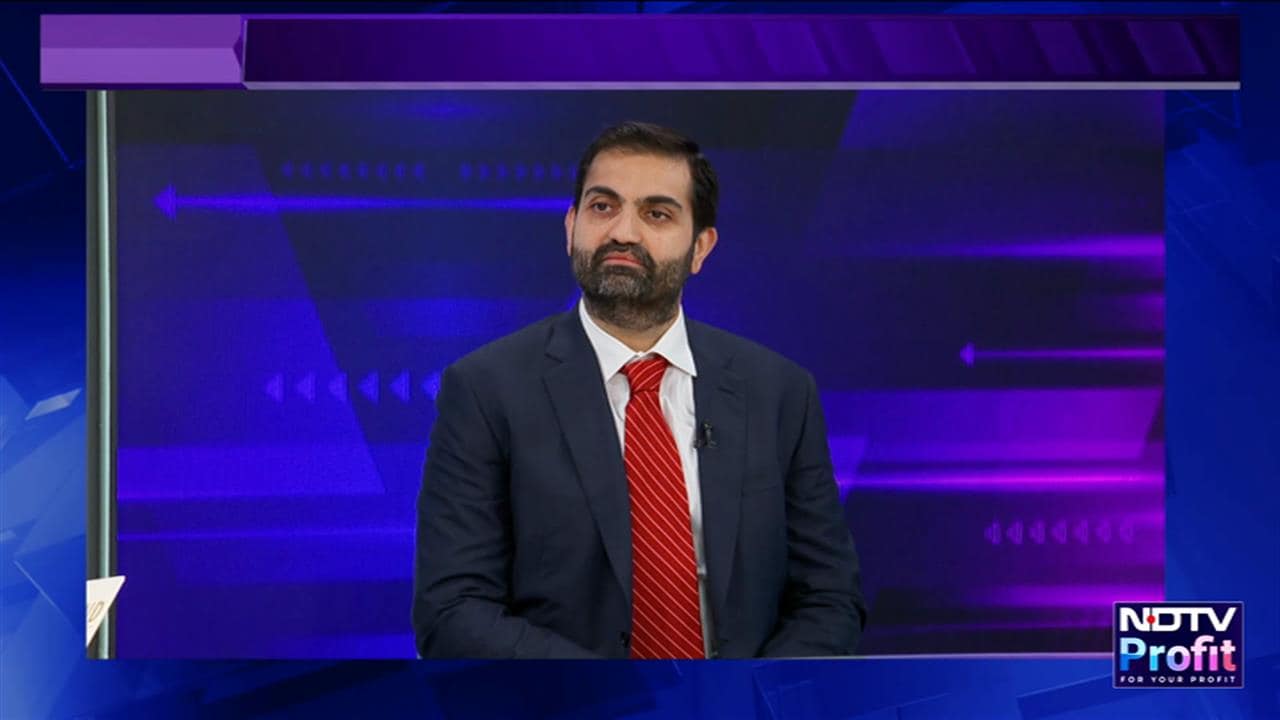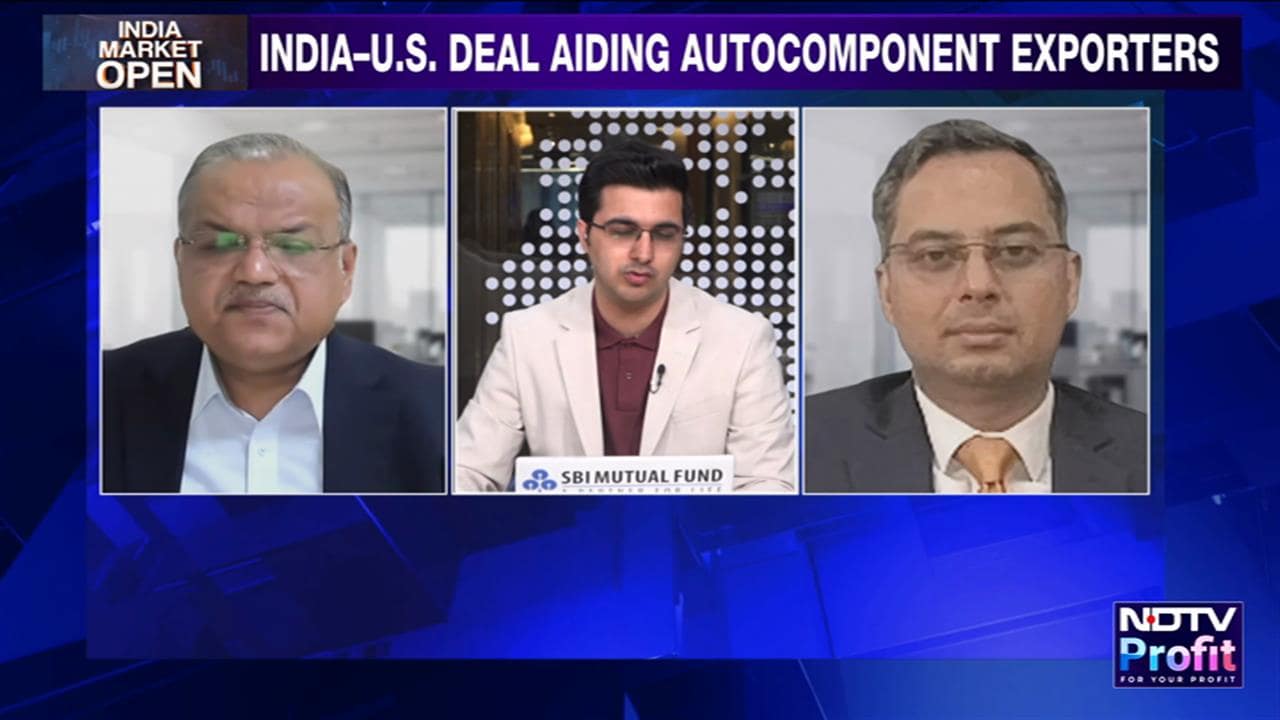
Construction companies in India have the capability to meet the additional order inflow if the government sets higher target, according to Vinayak Chatterjee, co-founder and chairman of Feedback Infra Pvt. Ltd.
“Over the last five years, there have been many companies that have shown remarkable entrepreneurial ability and galvanised themselves to take on bigger road projects,” he told BloombergQuint.
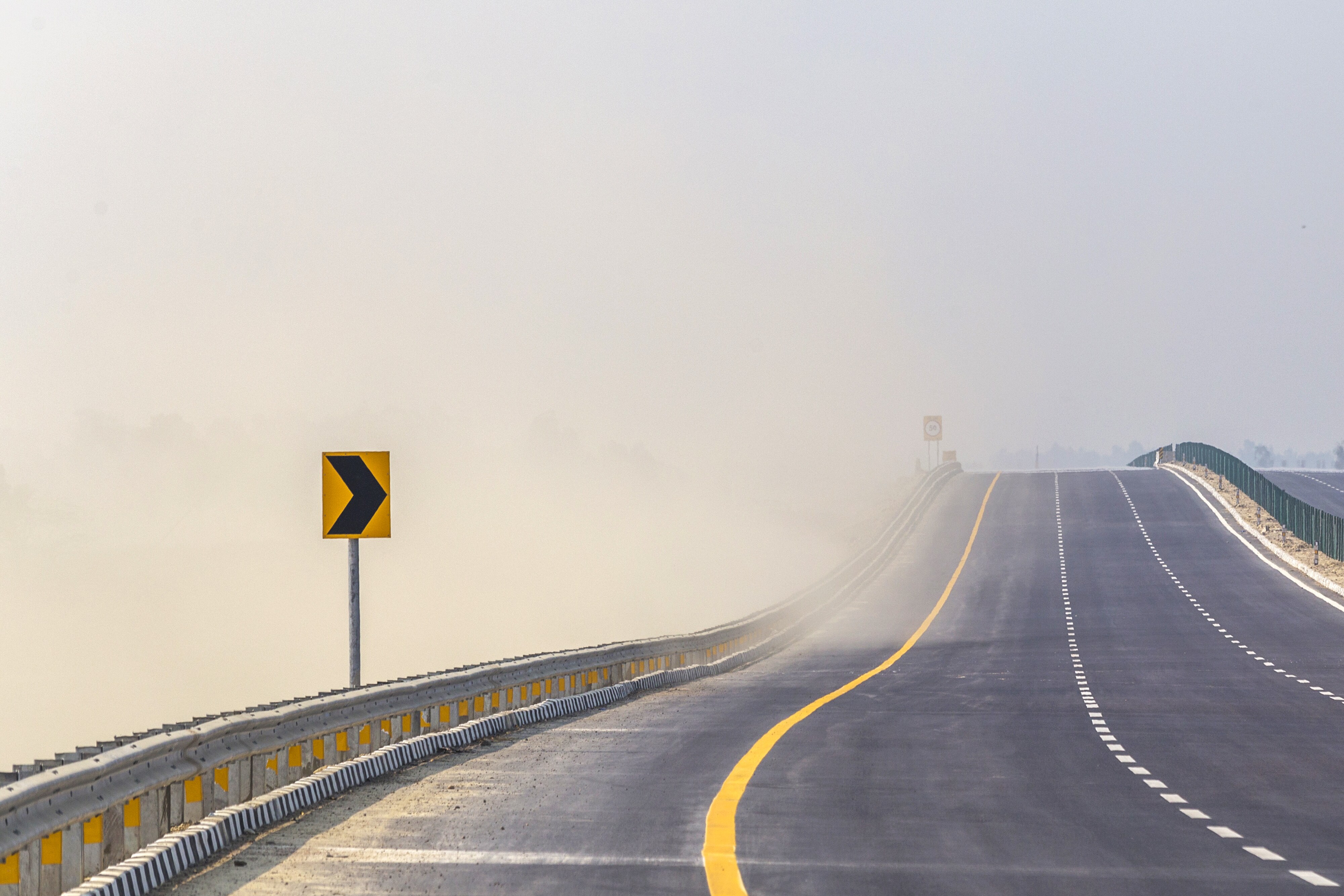
Though the companies failed to meet Union Highways Minister Nitin Gadkari's “inspirational target” of completing 42 kilometres of road construction daily during the financial year ended March, Chatterjee said that shouldn't deter the government from setting higher targets. He was responding to a question on the Bharatiya Janata Party's pledge to build 60,000 km of national highways in the next five years. The roads push was part of the party's promise to spend Rs 100 lakh crore on infrastructure by 2024.
“If you see an economy growing between 7 percent and 9 percent, just look at the traffic growth that will happen. India needs this scale of road construction,” Chatterjee said.
Lower Debt
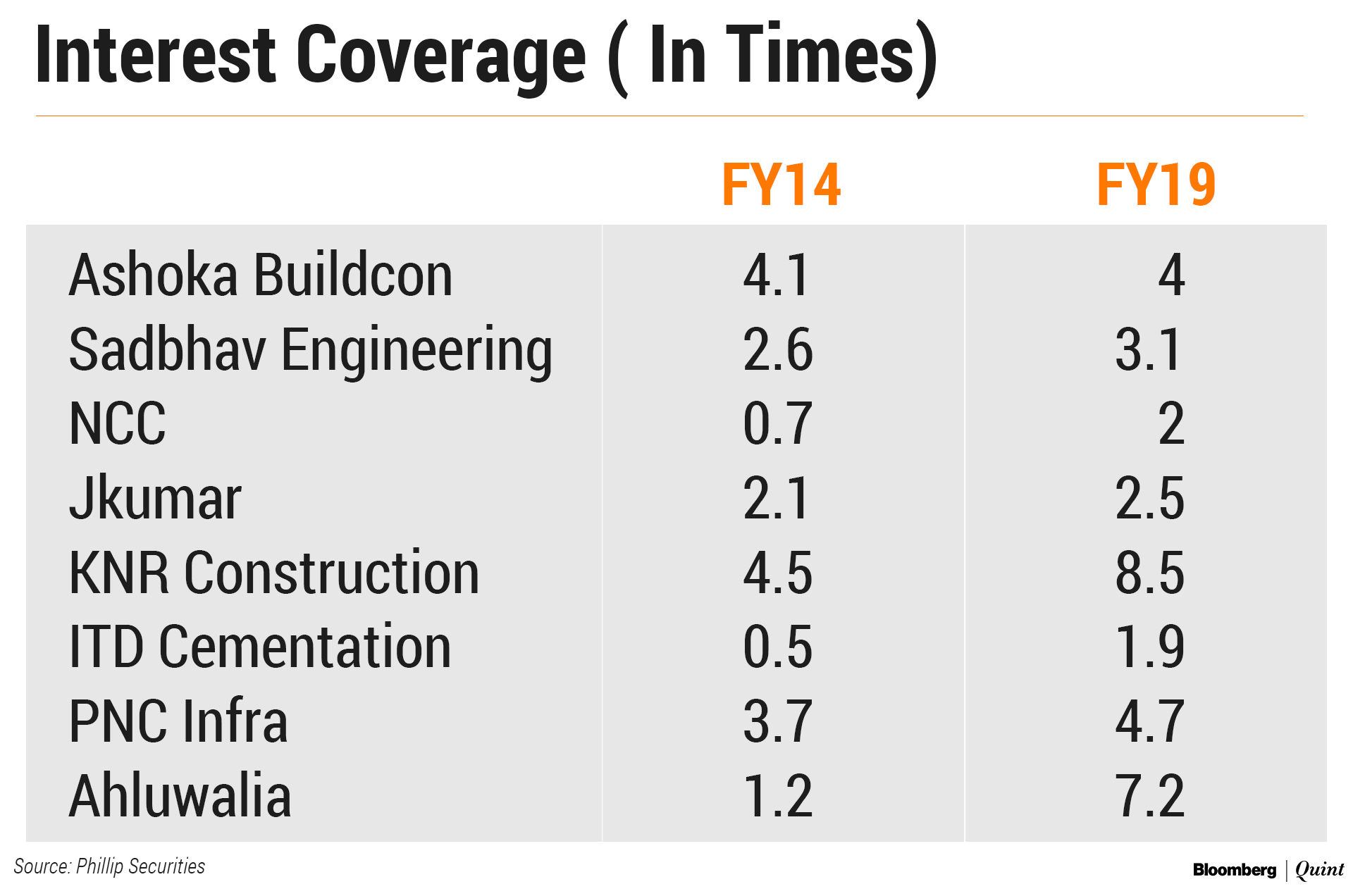
Gadkari's “personal interest”, according to Chatterjee, helped to avert a “potential bad loan tsunami”. Mid-size infrastructure companies have reduced their net debt-to-equity and focused on keeping strong control over working capital that increased their ability to service their debts better, he said, adding the companies balance sheets are in much better shape today.
The EPC Advantage
The strength of the balance sheets matters in build-operate-transfer projects, which require companies to put up equity and borrow to meet the capex requirement of the project. But that's no longer the case, since Gadkari stopped the BOT model and shifted to the engineering, procurement and construction, and hybrid annuity models.
For EPC projects, companies only need to generate 20-25 percent liquidity for working capital requirements, Chatterjee said.
New Projects
Chatterjee said he expects the new government to shift away from the existing alignments and announce greenfield road projects.
“I also see a push towards the hinterlands, the northeast and to areas that have previously been neglected.”
Watch the full interview here:
Essential Business Intelligence, Continuous LIVE TV, Sharp Market Insights, Practical Personal Finance Advice and Latest Stories — On NDTV Profit.