From Nano Banana To Sora—Will The Oscars Soon Have An AI Category?
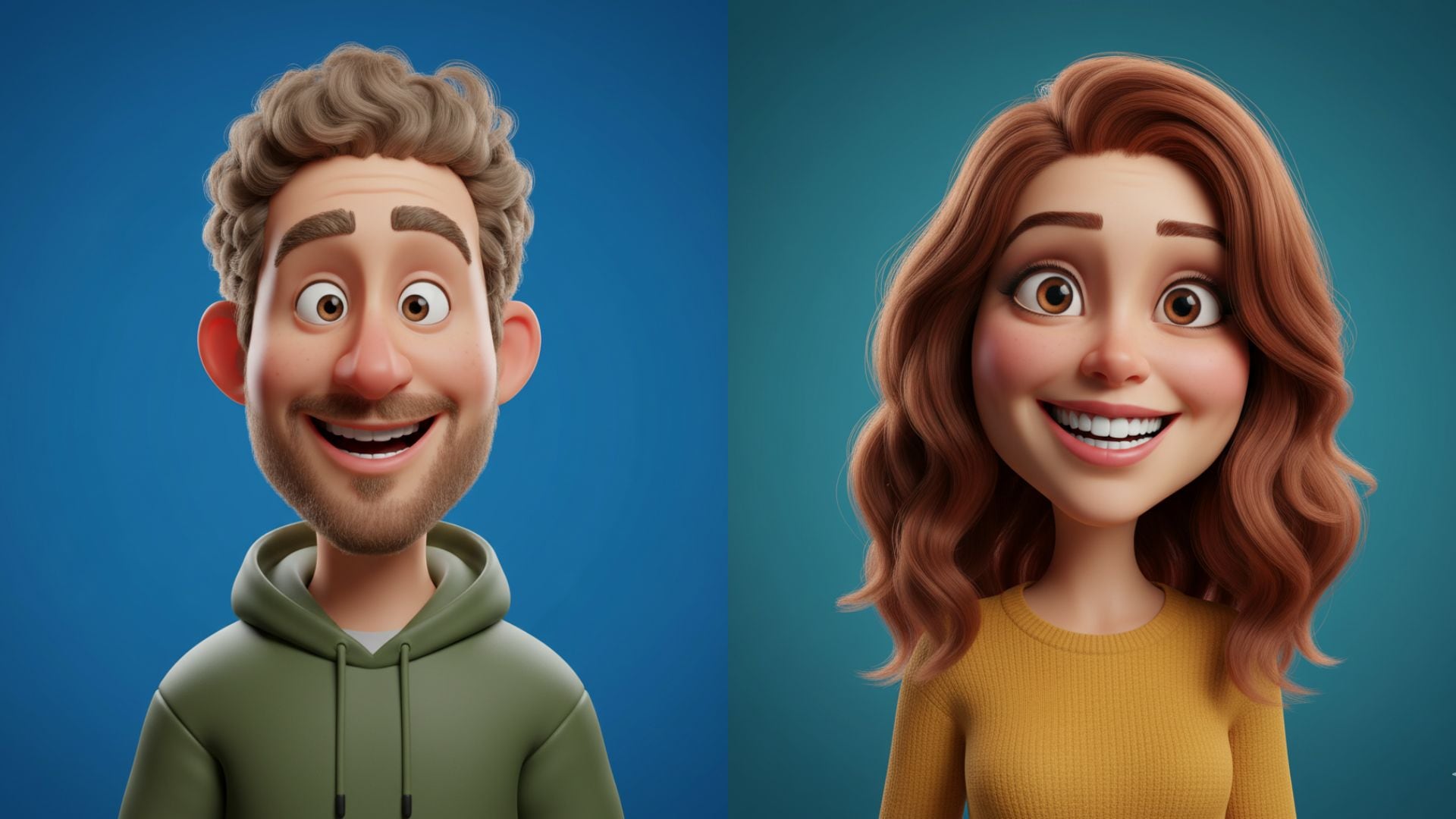
Even as the Nano Banana craze shows no signs of ending and Google Gemini stays at the highest echelons of the app charts thanks to the viral phenomenon, a new front opened this week in the AI text-to-video battle. OpenAI released Sora 2, its latest play in the space, and to ensure that it becomes popular there is a new iOS social app named Sora. The app is currently available only in the US and Canada, but OpenAI has promised to expand its reach soon and there's an Android version coming too.
Till Sora 2 came along, Google's Veo 3 model—released earlier this year—was leading this space. And while it seems like OpenAI is directly competing with TikTok, Instagram and YouTube's short videos with the Sora app, the real battle is with Google and Veo 3. Both these AI text-to-video models generate extremely realistic cinematic visuals and ensure character consistency across scenes, and both offer synchronised audio, where voices and sound match visuals. The era of silent clips is over.
While there are "prompt engineers" to help get the best out of AI tools, with Sora 2 and Veo 3, the era of the "prompt director" may also be here as creators use AI to create content. In fact, there are already microdramas in India created entirely on Veo 3. However, the manner in which these models have been taken to market suggests OpenAI and Google are approaching things differently. With the Sora app, OpenAI has taken a fun, social approach which is consumer-first, while Veo 3 is targeted at professionals and developers. But given what Google has learnt with Nano Banana, could the company shift gears on Veo 3 from a model that powers other apps to a fun, consumer-centric one?
At the end of the day, it's clear these tools are the harbingers of change in a highly creative field, and we will soon see the emergence of AI films. It's not a question of if, but when.
Meanwhile, Microsoft is deploying AI in its ubiquitous Office tools to help you create spreadsheets easily and soon even cool presentations will be possible by typing in prompts. You no longer need to be jealous of the whiz kid in your workplace who creates those great looking presentations.
By the way, I am sure you have read about the Aratai messaging tool by now, but have you used it? The app is not a new one—it was launched way back in 2021— but suddenly gained popularity in India and today is right on top of the App Store chart in our parts, pushing Gemini to second position. Zoho, the maker of the app, has been scrambling to add server and storage capacity given the sudden burst in demand. Zoho is a respected player in business technology, and a rare global product success story from India in a world where Indian tech is more about services than products. Zoho co-founder Sridhar Vembu dealt with calls to list Zoho given Aratai's sudden surge and he happened to mention that Zoho is working on some AI tools too. Definitely a company to watch given how they achieved success in the highly competitive SaaS space. Will India's DeepSeek moment come from Zoho? Who knows!
And while we wait for Apple to fulfil its promises about AI on our iPhones—the wait may bear fruit early next year according to some—Google continues to steal a march in the AI game when it comes to flagship smartphones.
Till next week,
-Ivor Soans

-
High US Salaries, No Green Card Certainty: The Financial Calculation Facing Indian H-1B Families

The suspension of PERM processing at eight technology employers does not cancel existing H-1B visas. What it does is force a question many Indian families have been avoiding: is the US salary worth tying your career and family plans to one employer?
-
Swiggy vs Eternal: Food Delivery's Two Rivals Are No Longer In The Same Race
Eternal is building a private AI assistant, dark.ai. Swiggy is still working out how to make Instamart pay, with an operating loss of Rs 895 crore in the July-September quarter while Blinkit stayed profitable.
-
Where You Live Shapes How You Get To Work | The Reason Why
Two-wheelers are the most popular way to get to work in India, accounting for nearly 43% of workplace commutes.
-
Unhedged Position: Can India See An Indonesia-Style Time Correction?
The Nifty is trading below levels it first clocked in 2024. Is there, then, as I have suggested in the headline, potential that the current time correction drags on painfully for the next three-five, even ten years?
-
Navigating Friction And Energy Realities: An Analysis Of Marco Rubio's October Visit To India
Occurring at a critical juncture marked by stalled trade negotiations and escalating geopolitical pressures over global energy supplies, the visit offers a profound window into modern US-India relations.
-
India Exports Capital. Why Not Export Trusteeship?
The big question, then, is whether India can build an institution that global borrowers, investors, banks, and lawyers can trust, even without an Indian connection.
-
France's Economy & Politics Are In Crisis | The Reason Why
Let's look at how the French economy and politics evolved under Nicolas Sarkozy, Franois Hollande and Emmanuel Macron.
-
You May Inherit The Business. You Must Earn Its Credibility.
Succession tests the founder's ability to share authority as much as it tests the next generation's readiness to assume it.
-
Signing Deals Is One Thing; Making Them Work Is Another | The Week In Whys
Sometimes, things don't turn out as planned. Indian companies have lost some bids to rivals, some projects won't produce until 2030.
-
FOMC Wall, PERM Suspension, Hospital Stocks | Talking Points This Week
A PERM suspension would directly affect green-card sponsorship rather than H-1B visas, so the near-term earnings impact could remain relatively limited. The key question is whether this marks a new phase in US scrutiny of Indian IT.









