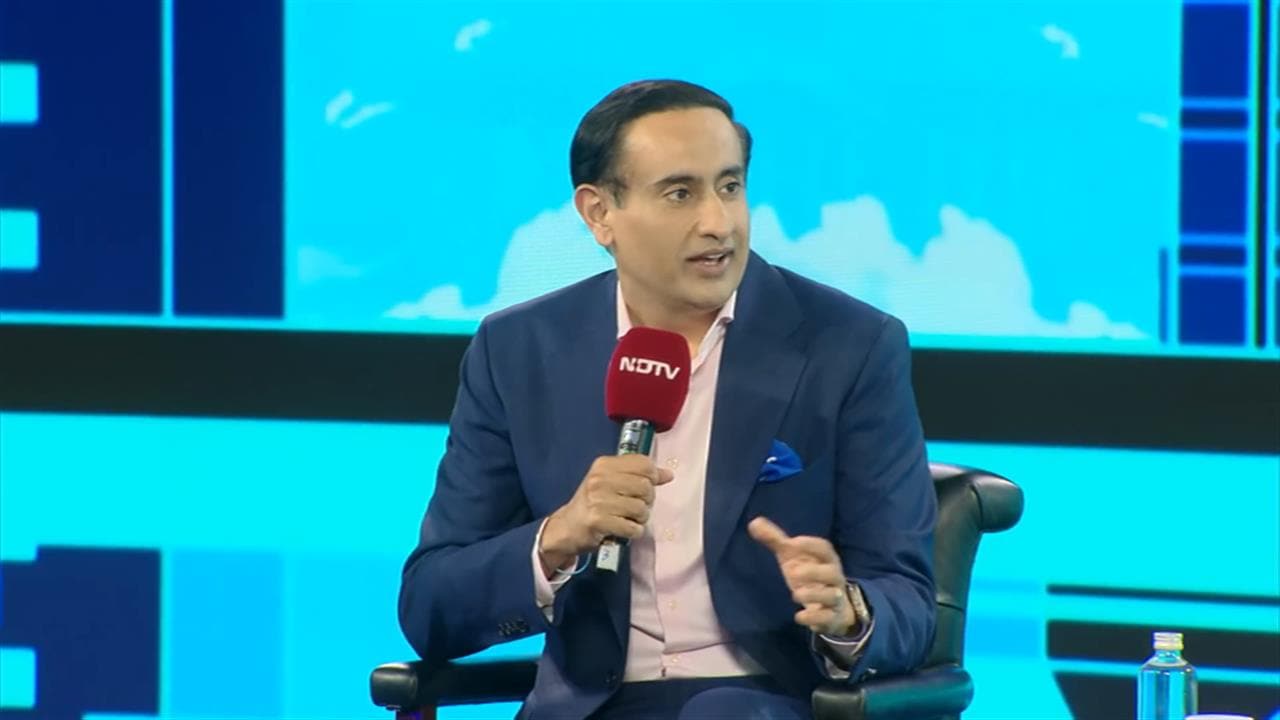
Cooling commodity prices, after a sustained rise, is unlikely to ease inflation anytime soon as the full impact of the price rise has yet to pass through the economy, according to Jim Walker, chief economist at Aletheia Capital Ltd.
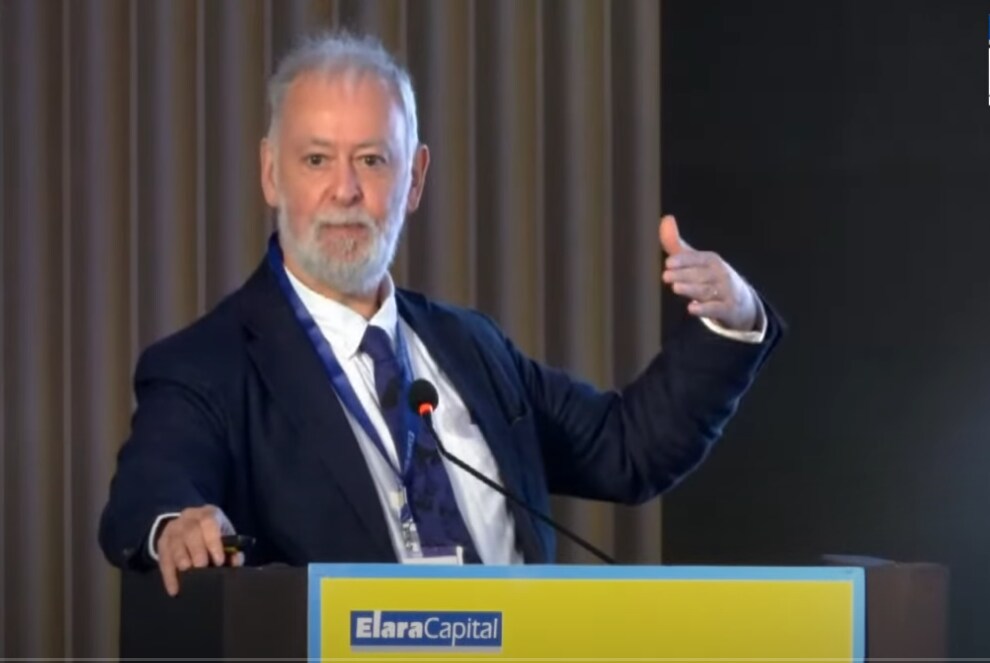
"We are far from the end of inflation that has taken hold in the global economy," Walker said at Elara Capital-Ashwamedh conference on 'Global Recession & Emerging Markets' on Monday.
Those disturbances in prices, he said, have got lots of rounds to go through the system, including wage rounds, which will then push inflation higher regardless of what happens to commodity prices.
"Once you have disturbed the price system you have no idea as a banker, as an economist, as an individual, as a government where prices are going to go from here. Once they start spiralling upwards, they have some spiralling to do," he said.
Global central banks have been adding more money to the system to "cover up the problems", Walker said, leading to renewed inflation. "It is going to be much more apparent in terms of global recession in the course of the next few years," he said.
Walker expects the Fed fund rates to hit 6% over the next few years. "They may even start cutting off or they have to start raising interest rates again, but we'll get 75 basis points on Sept. 22," he said.
Stock markets have been in crisis. But, they have the crisis of far too much money. Far too much money created by global central banks.Jim Walker
How Were The Prices Disturbed?
The government's response to Covid-19, according to Walker, created a turbulence in the price system. The global economy in GDP terms is exactly on the same level as before the pandemic, he said, yet there are disturbances of all sorts. "This is because demand was forced into areas where supply was constrained, thus lifting the prices."
A lot of the quantitative easing that happened in the early part of the global financial crisis in 2020, Walker said, went into the financial system and asset places. "It, however, failed to get into the real economy," he said.
“The government got their money and gave out to everyone which produced a huge demand response, which is fine, it kept the system going," he said. "It's just that the huge demand responses also produced a huge inflation response.”
No Markets To Determine Price
The global central banks' response to Covid especially those of the U.S. distorted the market determination of the interest rate, Walker said. "The markets should determine the interest rates not the central bank."
“If the markets determined the interest rates then you would have never gone to the levels of zero interest rates that central bankers have been pushing that ended ensuing zombie companies,” he said.
Zombie companies, he added, are companies that do not earn enough profits to cover its interest payments on an annual basis. As much as 16% of the listed companies in advanced economies are defined as "zombies".
Walker pointed out that it is important to keep in mind that there are no markets that indicate the possible trajectory of the prices. The bond markets have been captured, especially the big one which is the United States, by quantitative easing and central bank balance sheets. Central bank owns the markets and bonds, he added.
Unexpectedly, the Covid response had produced the biggest profit boost in the history, with profits going up to over 12% of the GDP, Walker said. However, over the course of the next two years, profits are expected to come down. The U.S. and Europe cannot cope with inflation above 2% to 4%.
Korea, Taiwan, And China
Exports from Korea and Taiwan are heavily weighted towards Chinese economy and the Chinese domestic economy. “Both Taiwanese and Korean export volumes in particular are falling to China,” Walker said. Industrial production in Taiwan stood at 42.7% in August, which indicates a deep recession. "Any number on PMI or ISM, which are manufacturing indexes, not higher than 44 is considered as an economic recession in America, he said.
“Taiwan's been at 42.7 and 42 for the last two months and below 50 for the last six months. There's your problem and that's what's your best indicator of what's happening in China."
Watch the video here
Essential Business Intelligence, Sharp Market Insights, Practical Personal Finance Advice, Daily Fuel, Gold and Silver Prices and Latest Stories — On NDTV Profit.