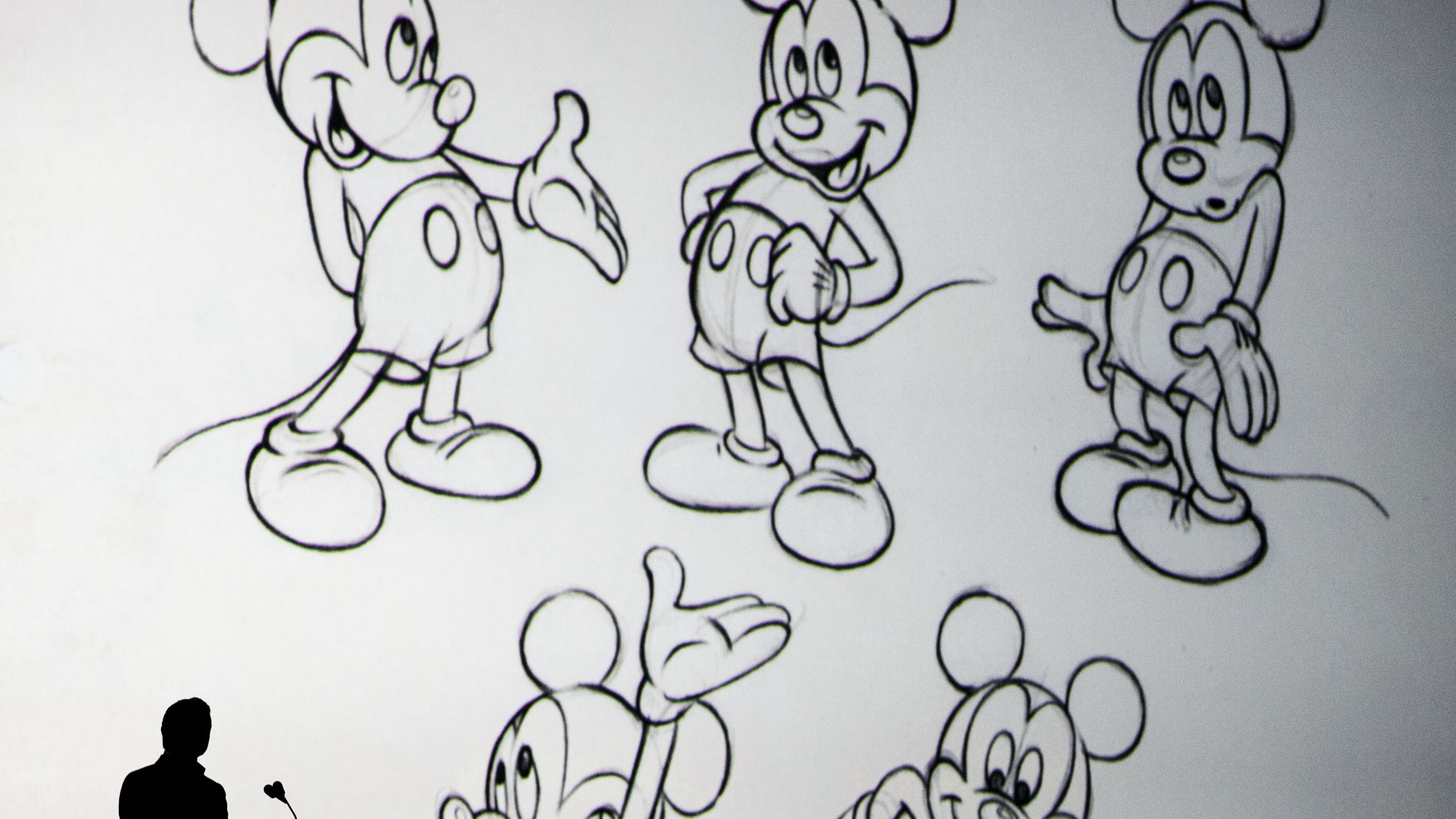
- Disney will invest $1 billion in OpenAI and license characters for AI video platform Sora
- OpenAI’s Sora can use over 200 Disney characters but excludes talent voices or likenesses
- The deal is a three-year pact aiming to expand storytelling via generative AI responsibly
Walt Disney Co. is licensing iconic characters including Mickey Mouse and Cinderella to OpenAI for use on its artificial intelligence video platform and has agreed to take a $1 billion stake in the startup.
As part of the new three-year pact, OpenAI's Sora will be able to draw from a library of more than 200 animated and creature characters — from Lilo and Stitch to Ariel and Simba — when generating AI videos in response to user prompts. The deal announced Thursday doesn't cover any talent likenesses or voices, however. So a video could feature Woody from Toy Story but without the voice of actor Tom Hanks, who plays the character in the popular movies.
The landmark deal marks the largest equity investment a major Hollywood studio has taken in an AI model developer to date. As part of the arrangement, Disney will become a major customer of OpenAI, using its tools to build new products and experiences, including curating a selection of Sora videos on the Disney+ streaming platform and deploying ChatGPT for its employees. Disney will also have the option to purchase additional equity in OpenAI.
“The rapid advancement of artificial intelligence marks an important moment for our industry, and through this collaboration with OpenAI we will thoughtfully and responsibly extend the reach of our storytelling through generative AI, while respecting and protecting creators and their works,” Disney Chief Executive Officer Bob Iger said in the statement.
The companies didn't offer more details on the licensing agreement. In an interview with CNBC, Iger said “the fact that we're getting paid for this recognizes the value being created.”
The arrangement is similar to one Disney struck with Fortnite maker Epic Games Inc. last year to create a new games and entertainment universe. In that deal, Disney acquired a $1.5 billion equity stake in Epic and will allow Disney characters to appear in Fortnite as well as new titles. It also includes a collaboration with theme parks.
OpenAI has spent months talking to Hollywood's largest studio owners, including Disney, Comcast Corp.'s Universal Pictures and Warner Bros. Discovery Inc., about the creative and commercial potential of Sora, Bloomberg News has previously reported. But the studios have been reluctant to get into business with an AI company, wary of how it might use their data and of angering the labor unions with which they work every day.
Disney and Comcast sued another AI company, Midjourney Inc., earlier this year for copyright infringement. And on Wednesday, Disney sent a cease-and-desist letter to Alphabet Inc.'s Google, alleging the tech company is using its copyrighted content to train and develop generative AI models without compensation.
Iger said Disney has engaged with other companies, such as Character.AI, who agreed to take infringing content down, and that Disney had “no choice” other than to send the letter. “The ball is in their court,” Iger said of Google. “We'll see how they react.”
Creative industries from film to music and books have struggled to balance protecting their valuable copyrights with the powerful new technologies that have taken off with consumers and offer a potential new avenue for growth. Media businesses that own copyrights say the companies building those models should pay them in order to train on their work. The major record labels sued two audio AI startups last year, though Warner Music Group and Universal Music Group both settled recently with Udio, and struck deals to collaborate on new commercial music creation and streaming services.
Iger said Disney agreed to the deal with OpenAI because the startup is respecting and valuing its creativity, characters and creators and has put up guardrails about how the properties will be used. Iger was confident that it will be a “safe environment” for consumers to engage with Disney's characters.
“It gives us the opportunity to play a part in the breathtaking growth in AI and in new forms of media and entertainment,” Iger said on CNBC.
OpenAI unveiled a new version of Sora in September as a standalone social app, available by invitation. As with the original Sora, released last December, users can generate short clips in response to text prompts, but the new app allows people to see videos created by others. Beyond that, users can create a realistic-looking AI avatar and voice of themselves, which can be inserted into videos made with the app by the user or their friends, with the avatar owner's permission.
“Disney is the global gold standard for storytelling, and we're excited to partner to allow Sora and ChatGPT Images to expand the way people create and experience great content,” said OpenAI CEO Sam Altman. He added in an interview with CNBC that demand for Disney characters is “off the charts.”
OpenAI has raised tens of billions of dollars to help cover the cost of talent, chips and data centers needed to build and support cutting-edge AI models. The company was valued at $500 billion in a secondary share sale completed earlier this year.
Sora and ChatGPT Images are expected to start generating videos with Disney's characters in early 2026.
Essential Business Intelligence, Continuous LIVE TV, Sharp Market Insights, Practical Personal Finance Advice and Latest Stories — On NDTV Profit.