Volatile geopolitical conditions and government sops are prompting Indian textile and tea companies to seek more bank loans.
Rising input costs due to the Ukraine war, Sri Lanka's emerging debt crisis, as well as the Indian government's performance-linked incentives and state government subventions are resulting in local manufacturers increasing their share of exports. This also means that banks are keen on extending more working capital to these companies.
While credit growth data is available only till February, which precedes the geopolitical crises unfolding now, it does show that banks are pushing the pedal on credit to these industries.
Bank credit extended to the tea industry rose 8.7% in February on a year-to-date basis compared with 7.2% a year earlier, according to the Reserve Bank of India's monthly credit data. For the textile industry, it rose 7.6% compared with 6.2%.
The growth for tea and textile companies is the highest after the rise in loans to telecom, road and private railway firms, the data shows. Cumulatively, loans to tea and textile companies account for 7.3% of the Rs 31.35 lakh crore worth of bank credit to industry.
The textile industry is looking at upgrading technology and expanding capacity for meeting demands of the international market, said Ashutosh Khajuria, executive director and chief financial officer at Federal Bank. “The industry has also witnessed some consolidation which means fewer players. From the international market, the biggest players like Bangladesh are dependent on us for both cotton and yarn."
A senior public sector banker, speaking on the condition of anonymity, pointed out that the recent reversal in trends for the textile industry could also be prompted by the waning pandemic, resulting in better domestic demand.
The rise in commodity prices because of Russia's war in Ukraine has also increased input cost pressures, pushing textile manufacturers to seek more credit from banks.
“Cotton, nickel, iron-ore and crude prices have gone up therefore the demand for working capital has gone up," said Sanjay Agarwal, senior director at CARE Ratings Ltd. "Capital expenditure in the textile industry has also gone up because the manufacturer has to hold up more finished goods."
According to Rahul Mehta, president of Clothing Manufacturers Association of India, in the last 6-8 months, the industry has witnessed 30-35% rise in raw material cost. "This can only be financed by borrowing from banks, as profitability is still far away."
The government's performance-linked incentive scheme is also boosting prospects for textile firms, Mehta said.
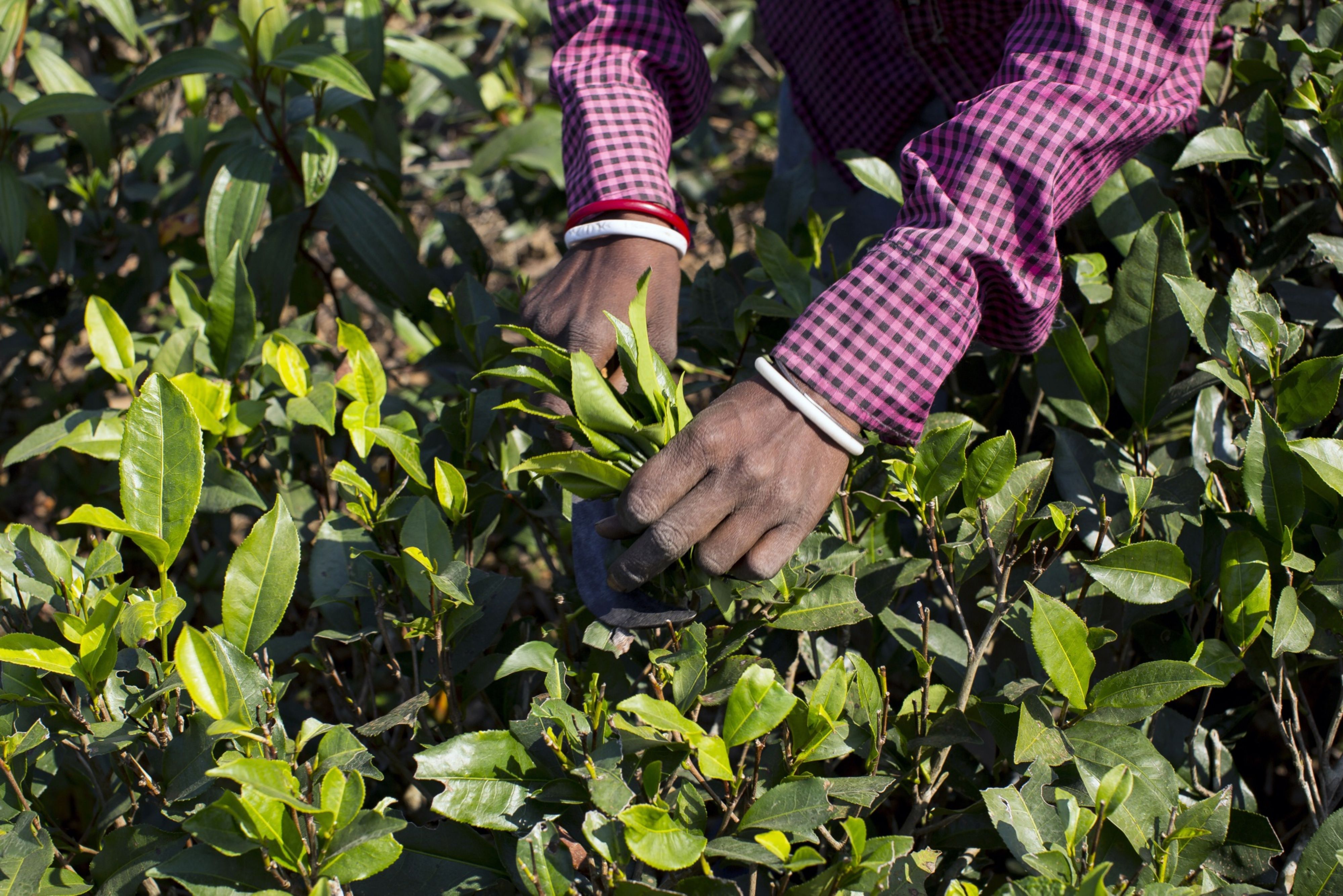
For tea companies, lower competition from Sri Lankan firms is allowing India to be more competitive in global trade, says Bidyananda Barkakoty, adviser to North Eastern Tea Association and council member at Tea Research Association.
“Our main markets are Iran, Russia and the Middle East, where Sri Lanka was a competition in all these markets. With their absence, we can tap the market more aggressively,” Barkakoty said.
Here, too, input costs have risen.
“The prices of raw material have increased by 50% and we have to outsource the green tea leaves from small tea growers," Barkakoty said. For tea companies, the 3% subvention scheme on working capital by the Assam state government is helping manage the situation, he said.
Essential Business Intelligence, Continuous LIVE TV, Sharp Market Insights, Practical Personal Finance Advice and Latest Stories — On NDTV Profit.