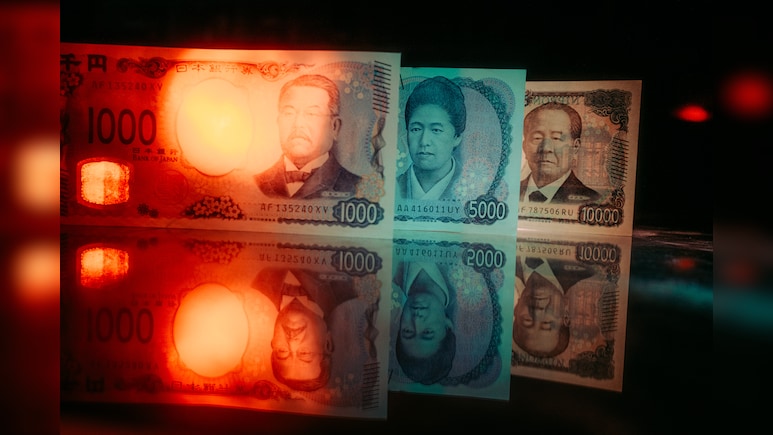
The yen slid after Japanese Prime Minister Sanae Takaichi said a weak currency can be a major opportunity for export industries, cooling speculation that her government is poised to intervene to support the yen.
Japan's currency dropped as much as 0.5% to 155.51 against the dollar on Monday. It has now reversed about half of its gain from last week, stoked by speculation of a coordinated intervention from Japanese and US authorities.
Speaking at an election rally on Saturday, Takaichi said a weak yen could present a major opportunity for export-oriented industries and help cushion the automobile sector against US tariffs. She later sought to clarify the remarks, stressing that her intention was to highlight the need to build an economy resilient to currency fluctuations.
“Takaichi's recent comments seem to suggest a weak yen has benefits for some parts of the Japanese economy, which may indicate that the administration is, as of yet, not overly worried about the level of the yen,” said Felix Ryan, a currency strategist at ANZ Group Holdings Ltd. “Even if we see refreshed dollar weakness, we do not see dollar-yen going below the 150 level in 2026.”
Also Read | Layoffs Are Rising In Tech, But These Skills Are Helping People Unlock Better Pay
Traders are bracing for increased volatility in Japanese markets ahead of the Feb. 8 snap lower house election, as Takaichi seeks to bolster the ruling Liberal Democratic Party's mandate by capitalising on her high public approval ratings. Markets are also on alert for signs of aggressive fiscal policy that could fuel inflation and pressure the yen and Japanese government bonds.
The ruling bloc is on track to win more than 300 seats in next week's election, and the LDP alone may exceed the majority of 233 seats, a survey by the Asahi newspaper showed.
The yen's gains last week were driven by talk of rate checks by the Federal Reserve Bank of New York after the currency slid close to 160 per dollar, near the level that prompted Japanese officials to intervene in the market in 2024. US Treasury Secretary Scott Bessent later said the United States is “absolutely not” intervening in the currency market to strengthen the yen.
That has damped hopes for a joint intervention by Japan and the US, even as Finance Minister Satsuki Katayama has repeatedly spoken of the possibility of action coordinated with the US. Monthly figures released Friday by the Finance Ministry also confirmed that Japan did not spend any money on direct intervention to bolster the yen in the four weeks through Jan. 28.
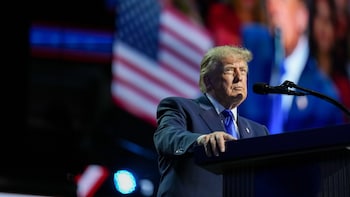
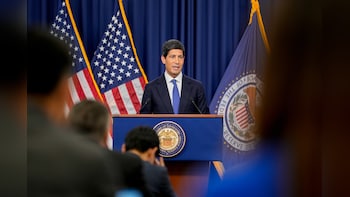
Also complicating the yen's path is US President Donald Trump's selection of Kevin Warsh as the next chair of the Federal Reserve. Despite his recent support for rate cuts, traders see Warsh as ultimately more inclined to guard against rising price pressures, which could bolster the greenback and, in turn, weigh on the Japanese currency.
Essential Business Intelligence, Sharp Market Insights, Practical Personal Finance Advice, Daily Fuel, Gold and Silver Prices and Latest Stories — On NDTV Profit.