Fresh sanctions being drafted by the UK would ban trade with Israeli settlements in the West Bank, as Prime Minister Andrew Burnham looks to demonstrate a tougher approach toward an issue that's important to voters of his left-leaning Labour Party.
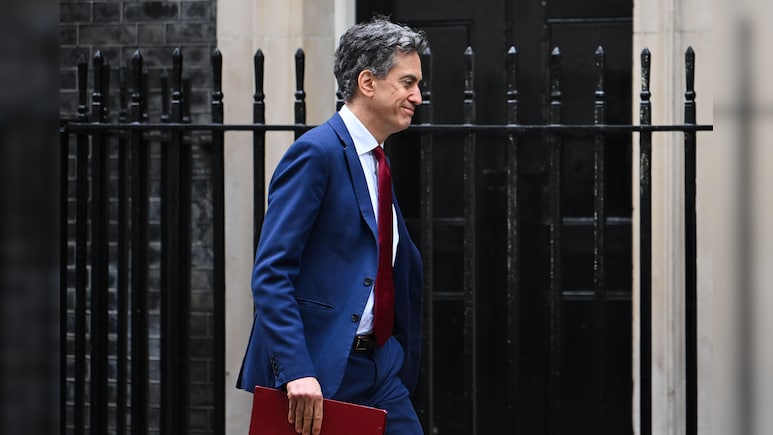
Foreign Secretary Ed Miliband is weighing several options in the coming weeks to raise pressure on Israel over its decision to advance home-building in a strategically important part of the West Bank. Those include a new sanctions regime laying measures to prevent the exchange of goods and services with Israeli settlements, according to people familiar with the matter who spoke on condition of anonymity about plans that haven't yet been announced.
Miliband is also looking at expanding existing human rights sanctions to cover the obstruction of aid, the people said, which has been blamed for exacerbating the humanitarian crisis in Gaza. In addition, the foreign secretary may explicitly endorse the International Court of Justice's non-binding 2024 opinion that Israel's occupation of territory that Britain now recognizes as the state of Palestine is unlawful.
Also Read | Layoffs Are Rising In Tech, But These Skills Are Helping People Unlock Better Pay
The moves are being debated in the wake of Israel's decision to open a tender for the construction of 1,200 settlement homes in the so-called E1 section of the West Bank. Disputes between Israeli settlers and Palestinians have further flared in recent months as Prime Minister Benjamin Netanyahu faces a tough battle to keep his job in a general election slated for Oct. 27.
Burnham was joined by the leaders of Canada and five European governments, including France, Germany and Italy in a statement on Thursday condemning the housing plan as “unacceptable” and urging Netanyahu to withdraw the tender. This week, German Chancellor Friedrich Merz separately denounced National Security Minister Itamar Ben Gvir's call for nightly assassinations in Gaza.
ALSO READ: US Blockade Bites: Iranian Crude Discounts To China Slips As Shipments Get Curtailed
Without elaborating, Miliband on Wednesday pledged what he called targeted sanctions against Israelis participating in the “illegal settlement expansion” in the West Bank to prevent “the destruction of the two-state solution.”
While the foreign secretary hasn't made any final decisions, he's preparing an announcement next month ahead of the UN General Assembly, where he's due to give a speech in part outlining British policy toward Israel. A descendant of Holocaust survivors, Miliband will also address the issue at the governing Labour Party's upcoming annual conference in Liverpool.
Israeli Foreign Minister Gideon Sa'ar rejected Miliband's remarks as “patronizing,” adding that the Jewish people had the right to live where they chose. “The UK Government's decision to damage the relationship between our countries is deeply unfortunate,” Sa'ar said, highlighting the already strained ties between the two nations.
British officials acknowledge that any new actions might have limited impact. Traders can re-label goods to evade sanctions and the UK has long maintained that Israeli settlements in the West Bank are illegal. Even so, Burnham is eager to show Labour early on that he takes a more critical view of Israel than his predecessor, Keir Starmer.
Although Starmer toughened his stance toward Israel over his two years in office, including formally recognizing the state of Palestine, his early refusal to demand that Netanyahu halt his military campaign in Gaza split the left. That helped drive down Labour's standing in the polls and fueled Green Party election gains across the country.
Burnham, whose return to Parliament forced Starmer's departure last month, apologized for Labour's stance on Israel's military action in Gaza under his predecessor, saying the party “didn't get it right.” Last month, Burnham's new defense secretary, Wes Streeting, who faced stiff competition from a Muslim independent candidate in his own northeast London constituency at the last general election, said Israel had “fallen short” of international standards.
Banning trade with Israeli settlements in the West Bank is something that has been urged by the House of Commons's cross-party Foreign Affairs Select Committee. Emily Thornberry, the Labour chair of the committee, argued on Friday that the UK had been able to take similar action against Russian businesses which operated from the occupied territory of Crimea.
“We have a far-right government in Israel, which is doing its best to try to extinguish the hope of a Palestinian state by building as many Israeli settlements on that area as possible,” Thornberry told Sky News on Friday. While she said she believed Burnham and ministers had been sympathetic to her position, “they must take action.”
(This story has not been edited by NDTV staff and is auto-generated from a syndicated feed.)
Essential Business Intelligence, Sharp Market Insights, Practical Personal Finance Advice, Daily Fuel, Gold and Silver Prices and Latest Stories — On NDTV Profit.