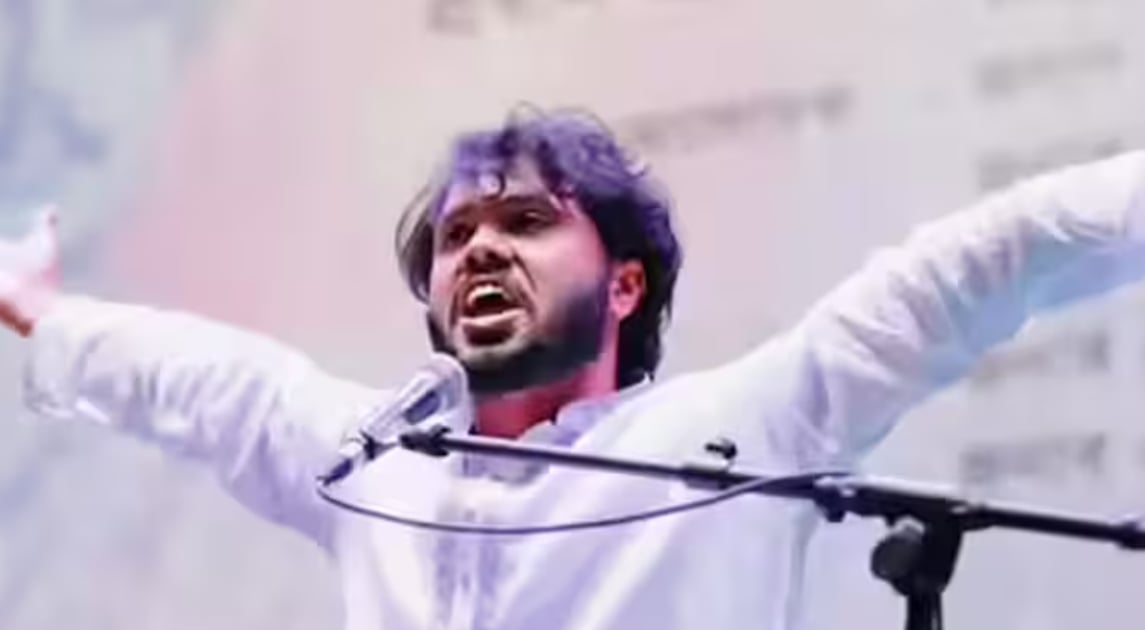
Bangladesh has been embroiled in a fresh wave of unrest after the death of a student leader named Sharif Osman Hadi, which has sparked violent protests in Dhaka. It has also raised fears of further instability ahead of the national elections.
Violence erupted on Thursday, Dec. 18, after news broke of Hadi's death. The 32-year-old was a senior leader of the student protest group Inqilab Mancha. He had emerged as a popular face of the youth movement that ousted former Prime Minister Sheikh Hasina, reported BBC. He was also an outspoken critic of India, where Hasina remains in self-imposed exile.
Hadi was shot in the head by masked assailants on Dec. 12 while launching his election campaign in Dhaka. He was first treated at a local hospital before being taken to Singapore for advanced medical care. After spending six days on life support, he died there, reported Reuters.
The incident took place just a day after Bangladesh announced the date for the country's first elections since the 2024 uprising. Hadi had been planning to contest the polls as an independent candidate, reported BBC.
Raw Sugar Extends Loss On Prospect Of Higher Exports From IndiaMedia Offices Attacked As Tensions Rise
The demonstrations quickly escalated, with mobs targeting media organisations. Videos circulating on social media showed crowds vandalising the offices of Prothom Alo, the country's largest daily newspaper, as well as the Daily Star, reported Reuters.
“Hundreds of people have gathered here and carried out the attack,” a police officer told BBC Bangla. Troops were deployed in the area, while firefighters rescued journalists who had been trapped inside the building.
Several parts of the city remained tense late into the night, prompting authorities to deploy additional police and paramilitary forces to prevent further violence, according to Reuters.
Political Reactions And State Mourning
Political parties across Bangladesh mourned Hadi's death and urged the interim government to ensure those responsible are brought to justice. The caretaker administration has declared Saturday, Dec. 20, a day of state mourning in his honour, with national flags to be flown at half mast and special prayers planned nationwide.
Nobel laureate Muhammad Yunus, who heads the caretaker government, described Hadi's death as “an irreparable loss for the nation.”
Calling for calm, Yunus said the government was committed to a transparent investigation and vowed that all those responsible would be held accountable, reported Reuters.
“The country's march toward democracy cannot be halted through fear, terror, or bloodshed,” he said in a televised address on Dec. 18, according to BBC.
Political Backdrop And Ongoing Investigation
The latest unrest is unfolding amid sweeping political change in Bangladesh. Former Prime Minister Sheikh Hasina fled to India on Aug. 5, 2024, after weeks of student-led protests brought an end to her 15-year rule, which had grown increasingly authoritarian.
Earlier this week, there was a fresh wave of anti-India protests, reflecting a sharp deterioration in ties between the two countries. On Wednesday, Dec. 17, hundreds of demonstrators marching under the banner “July Oikya” (July Unity) headed towards the Indian High Commission in Dhaka, chanting anti-India slogans and demanding Hasina's return.
Raw Sugar Extends Loss On Prospect Of Higher Exports From IndiaEssential Business Intelligence, Continuous LIVE TV, Sharp Market Insights, Practical Personal Finance Advice and Latest Stories — On NDTV Profit.