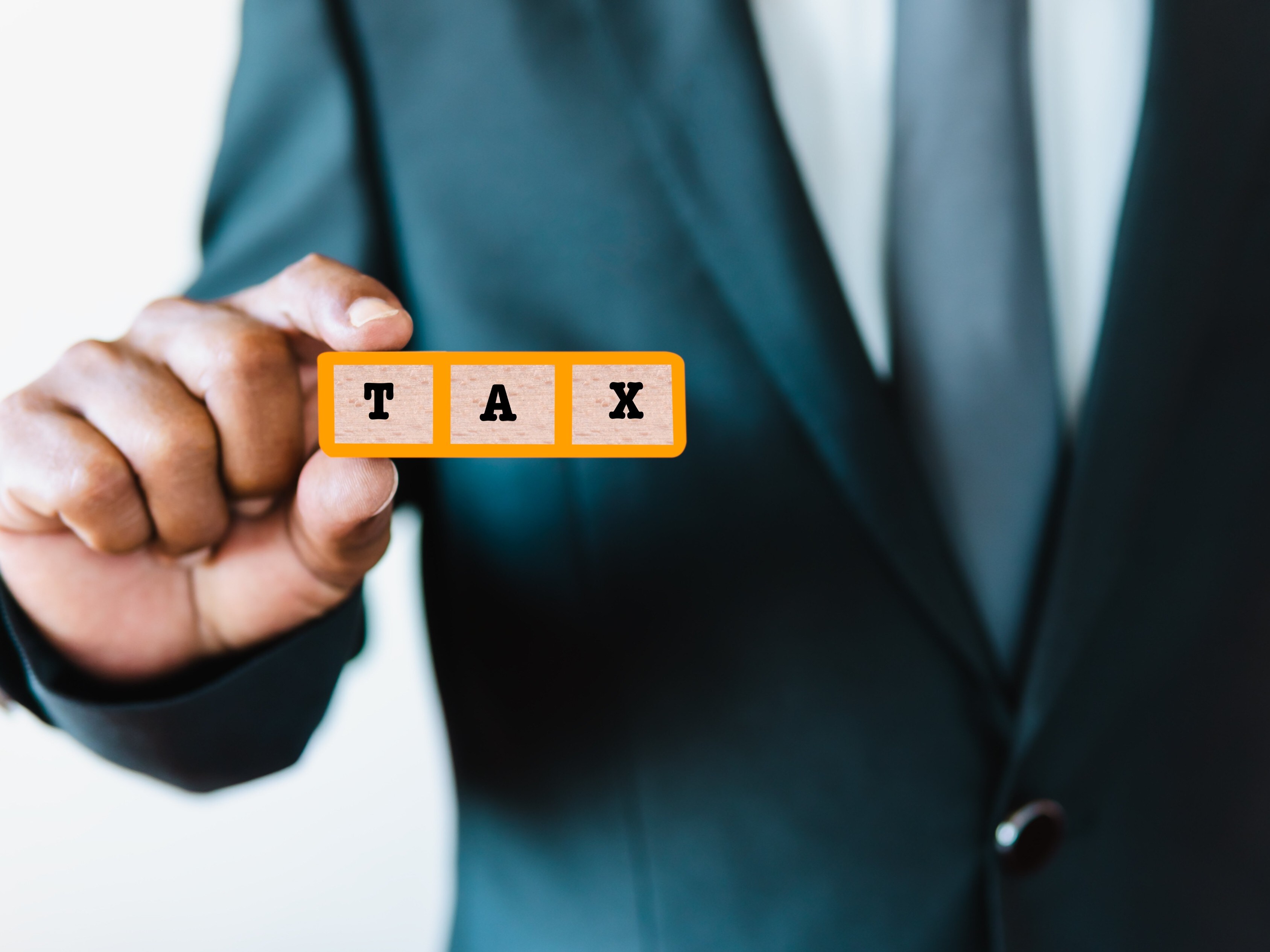
It is important to keep in mind the taxes that are applicable when selling shares or redeeming mutual funds while investing. After the budget in 2024, there have been a few revisions around the holding period and taxation.
Revised Rates
The first change is around holding periods. Capital gains are taxed based on how long they were held for. Earlier, there were three holding periods, which were 12-month, 24-month and 36-months. There are now only two holding periods. A 12-month holding of a share is considered short-term and taxed at 20%. While a 24-month period is considered long term and is taxed 12.5%.
Short-term gains are the profit than an individual makes by buying and selling a share with a 12-month period. Long-term gains tax comes in when shares are bought at a certain time and not sold for more than 24 months.
The holding period for every listed security like stocks, bonds, derivatives along with others are 12-months. If one holds these assets for more than one year, then it is taxed for long-term gains. While any other assets will only have the long-term taxation applicable if they are held for 24 months.
The taxation of Short-Term Capital Gain for equity shares and a unit of an equity-oriented fund had been increased to 20% from 15%. The taxation on long-term capital gains have also been increased from 10% to 12.5%.
Tax On Losses
Now, are capital gains taxes applicable if the shares were sold at a premium? What about cases where the shares are sold at a loss?
Any short-term capital loss from the sale of equity shares can be offset against short-term or long-term capital gain from any capital asset. In the case where the loss is not fully set off, it can be carried forward for eight years. It can also be adjusted against any short-term or long-term capital gains made during these eight years. In the case of long-term losses, these losses can be set off against any other long-term capital gain.
Essential Business Intelligence, Continuous LIVE TV, Sharp Market Insights, Practical Personal Finance Advice and Latest Stories — On NDTV Profit.