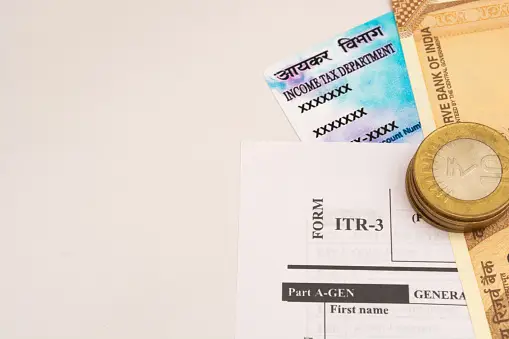
Navigating income tax obligations can be complex, especially for individuals who have recently ventured into trading alongside their primary employment. As more people engage in shares and futures and options trading, selecting the right income tax return form becomes crucial for accurate and compliant tax filings.
The Income Tax Department offers various ITR forms tailored to different income sources, each impacting how traders report their earnings and losses. ITR 3 is the primary form for individuals involved in business or profession, including income from house property, salary, pension, capital gains, and remuneration from partnerships. This form is essential for those active in the stock market, as it treats F&O trading as business income or loss, facilitating comprehensive reporting of financial activities.

-
 India's Market Leaders To Decode The New Samvat At NDTV Profit Ignite In Mumbai On Oct 28
 -
 NDTV Profit IGNITE Diwali 2026: Top Market Veterans Decode Wealth Creation
 -
 The Week Ahead: Earnings Season, Fed Policy Verdict And Crude Oil In Focus
 -
 Silver Is Now Down From Rs 4.2 Lakh To Rs 1.9 Lakh: Where It Goes From Here
 -
 NDTV Ignite, The Trillion-Dollar Trajectory: India's Road to 2030
Breakdown Of The Three ITR Forms
Compared to ITR 1 or ITR 2, which are inadequate for traders due to their limited scope, ITR 3 provides the necessary framework to report business incomes and capital gains effectively, according to Roshan Agarwal, managing partner at Agarwal Roshan & Associates, Chartered Accountants.
Also Read | Layoffs Are Rising In Tech, But These Skills Are Helping People Unlock Better Pay
ITR 1 is designed for individuals who are Indian residents with income from salaries, one house property, and agricultural income of up to Rs 5,000, among other sources. This form is suitable for individuals with a total income of up to Rs 50 lakh and must be filed online. While ITR-2 is meant for salaried individuals, Hindu Undivided Families if they have taxable income of more than 50 lacs, income from more than one house property, income from capital gains, agricultural income of more than ₹5000. In case the individual has property or assets abroad, directorship in a company, invested in unlisted equity shares etc.
For those with a salary and short- or long-term capital gains, ITR 2 is a more suitable form, said Agarwal. "People are filing their own returns based on YouTube tutorials and hearsay. But many end up facing issues after filing ITR 1, despite having capital gains from trading activities," he said. If one is an investor in the Indian markets, then filing ITR 1 will result in receiving a defective notice from the Income Tax Department, Agarwal explained.
Key Tax Implications
He also highlighted specific tax implications, such as tax loss harvesting. Taxpayers can harvest long-term capital gains of up to Rs 1 lakh annually without tax liability by reinvesting the gains, he pointed out. Losses incurred from trading can be carried forward for up to seven years to offset future profits, providing a strategic advantage for traders, he said.
In total, there are seven ITR forms available, and the last date for filing income tax returns for individuals and entities is July 31. This deadline applies to taxpayers who are not required to undergo a tax audit under the Income Tax Act. Notably, filing returns after the due date may attract penalties and interest.
Essential Business Intelligence, Sharp Market Insights, Practical Personal Finance Advice, Daily Fuel, Gold and Silver Prices and Latest Stories — On NDTV Profit.