Money Wise: The Repercussions Of The Air India Tragedy
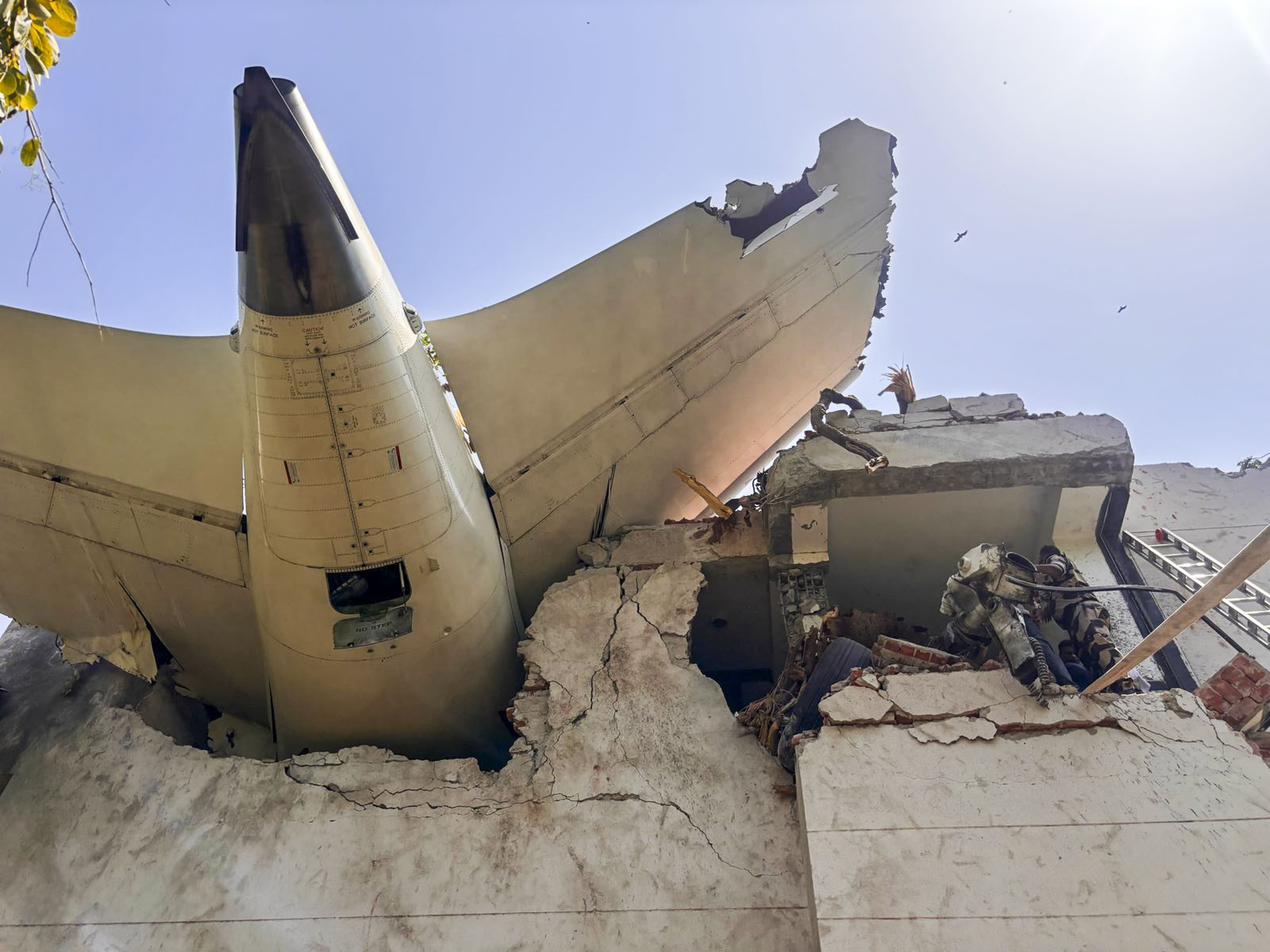
It is never easy to write about an event as tragic as the devastating crash of Air India flight AI-171 in Ahmedabad on Thursday. At the onset, let me say that our thoughts and prayers are with the families and loved ones of all the souls that were lost. As I write this it is clear that 229 passengers and 12 crew lost their lives. And five medical students on the ground also died.
Accidents in aviation are rare, but they are often fatal. And while investigators are hard at work to find the reason for the crash, there are important questions to be asked. As hard as it is to put a value to a life, for the families of the deceased, a key question is how much they will receive as compensation.
An airline's fleet insurance policy covers the risks of damage to an aircraft's hull, spare parts and liabilities to passengers and third parties. For passenger injury or death, liability is governed by the Carriage by Air Act, 1972, as amended to align with the Montreal Convention (1999), according to the Insurance Brokers Association of India.
Interim compensation of Rs 1 crore per family has been announced by Air India. But the final compensation would be determined under law and could be much higher. Besides that, if passengers had travel insurance, depending on the type of policy, their families would also receive a lumpsum payout. The insurance also takes care of the transfer of the mortal remains of the deceased.
Life insurance would also kick in. Already, Life Insurance Corp of India has announced that it would fast-track claim settlement to mitigate the hardships of the claimants where applicable.
To all of us, watching from the sidelines, the crash is a grim reminder of the uncertainty of life. It is for this very reason that insurance exists. It is impossible to place a value to life. Instead, insurance is meant to transfer risk and should be treated as such. This is why financial planners strongly advise that individuals buy insurance even before they start investing. If you have financial dependents, consider buying a term insurance policy. If you are travelling by flight, consider taking travel insurance. I say this with the utmost respect for those that are grieving.
.
Mutual Fund Flows
As hard as it is to focus on anything else, you should take a look at the data released by the Association of Mutual Funds in India. Inflows into equity mutual funds – both active and passive – dropped substantially in May. This, despite gross flows through Systematic Investment Plans remaining strong. This was anticipated by many industry participants and watchers simply because of the heightened geopolitical tension in May. Operation Sindoor took place and led to gyrations in the equity markets.
Long-term investors, who decided to stay put, will have seen their portfolios rise substantially – particularly if they were invested in mid- and small-cap funds. It is a reminder that it is very hard to predict short-term moves in capital markets. Often, not acting on emotion results in a better outcome.
There was also a normalisation of SIP cancellation. Remember, last month I'd told you about the cleanup undertaken by the AMFI of old, paused SIP accounts. This led to 1.62 crore SIP accounts being derecognised or considered cancelled in April. That number stood at 42.7 lakh in May. Believe it or not, this isn't too bad a figure and is, in fact, the lowest in six months.
Loan Rates Are Falling
Here's a reminder to check with your bank on when they will reduce interest rates on existing loans. A bevy of announcements on reduction in lending rates came through last week after the Reserve Bank of India cut rates by 50 basis points.
If you're planning your investments, you may want to look beyond fixed deposits. The mutual fund industry provides several tax-efficient options that would make more sense in a low interest rate environment.
With that, here's wishing you a happy weekend!
Until next week
Alex

-
Signature Play: The Classic Cocktail Is Dead. Or Is It?

Classic cocktails are disappearing from India's cocktail menus. But they're still being ordered, taught to bartenders and borrowed from. So, who's really having the last drink?
-
A New Samvat Wishlist: Inclusive Prosperity And Human Development
India has strengthened its economic foundations through infrastructure, digital access and enterprise. Its next growth chapter must deepen productivity, create better livelihoods and widen participation in prosperity.
-
Love, Sex Aur Dhokha: The Audacious Plot To Spy On Jensen Huang
A Taipei dinner, a Singapore chip buyer and a suspected Chinese asset: inside the alleged spy operation that got close to NVIDIA's Jensen Huang.
-
Ten Things I Learnt This Samvat
Patience can be a trap. Cheap stocks can stay cheap. Leverage can wipe you out. What did Samvat 2082 teach us? Niraj Shah writes on 10 lessons from the year gone by.
-
Talking Points This Week: Tech Nerves, FII Buying, And A Faraway Banking Shock
The global markets are not shining this Diwali. The exception in the large markets is, India.
-
Midterm Rally Lasted A Day. The Hard Reality Of A Divided US May Last Two Years | Opinion
Between a contested AI boom, a debt ceiling that arrives in 2027 and a president with every incentive to act alone, the next two years may prove more volatile than the first day's rally suggests.
-
Blue Wave Will Derail the AI Trade but Won't Dismantle the AI Era | Unhedged Position
The Democrats' sweep of the US Congress will see politics collide with economic forces both over the long and short term.
-
It's Time To Take The GST Council's Bet On Trust Global
Payment records can prove India's services exports, and clear, proportionate rules can bring foreign digital sellers into the tax net.
-
Opinion | India at 38: From Innovation Overperformer to Innovation Powerhouse
India now has 453 VC-backed deep science startups, 18 of them late-stage, after 117 percent growth since 2020. Laurus Labs, at USD 9.3 billion, is the most valuable deep science company in any middle-income economy outside China.









