The Bank of Japan has raised the key policy rate by another 25 basis points later this week, likely with hawkish guidance. Such an outcome will likely have significant implications on "Yen carry trade" and on financial markets across the globe.
The BoJ has undertaken the policy of "interest rate normalisation" to address the concerns of rising prices and deprecating Yen since March 2024, when they raised interest rates for the first time since 2016 (from -0.10% to +0.10%). Since then, the central bank raised interest rates two more times — once in August 2024 and then again in January 2025, taking the policy rate to the present level of 0.5%.
Consumer price inflation has been trending higher than BoJ's target of 2% since April 2022, with the latest (October 2025) print coming in at 3% y/y. Increasing concerns over Japan's rising debt has put pressure on long-term bonds as the general government gross debt to GDP ratio of the nation stood as high as 241% in 2023. Japan moved away from the yield curve control regime in March 2024, and yields moved up since then and are now hovering around 2% (rising nearly 90bps in the last one year). The Japanese Yen has also appreciated by about 1% against the US Dollar since the end of 2024. A rate hike by the BoJ now with a hawkish guidance may lead to further strengthening of Yen with rising Japanese yield that could impact global "carry trade".
Also Read | Layoffs Are Rising In Tech, But These Skills Are Helping People Unlock Better Pay
Bank Of Japan Hikes Interest Rate To Highest Level In Three Decades As Widely AnticipatedHowever, on the other hand, the US Fed has lowered interest rate by 25 bps in December 2025 with the "dot plot", suggesting inflation to soften somewhat in 2026 from earlier expectations making markets expect two more rate cuts of 25bps each in 2026 by the Fed. In addition, the Fed announced to start purchasing short-term government bonds worth $40 billion per month initially which will inject liquidity into the markets, thus, likely partly offsetting expected rise in yields due to BoJ's rate increase. In fact, the US 10-year treasury yields came down by 4–5 bps from last week.
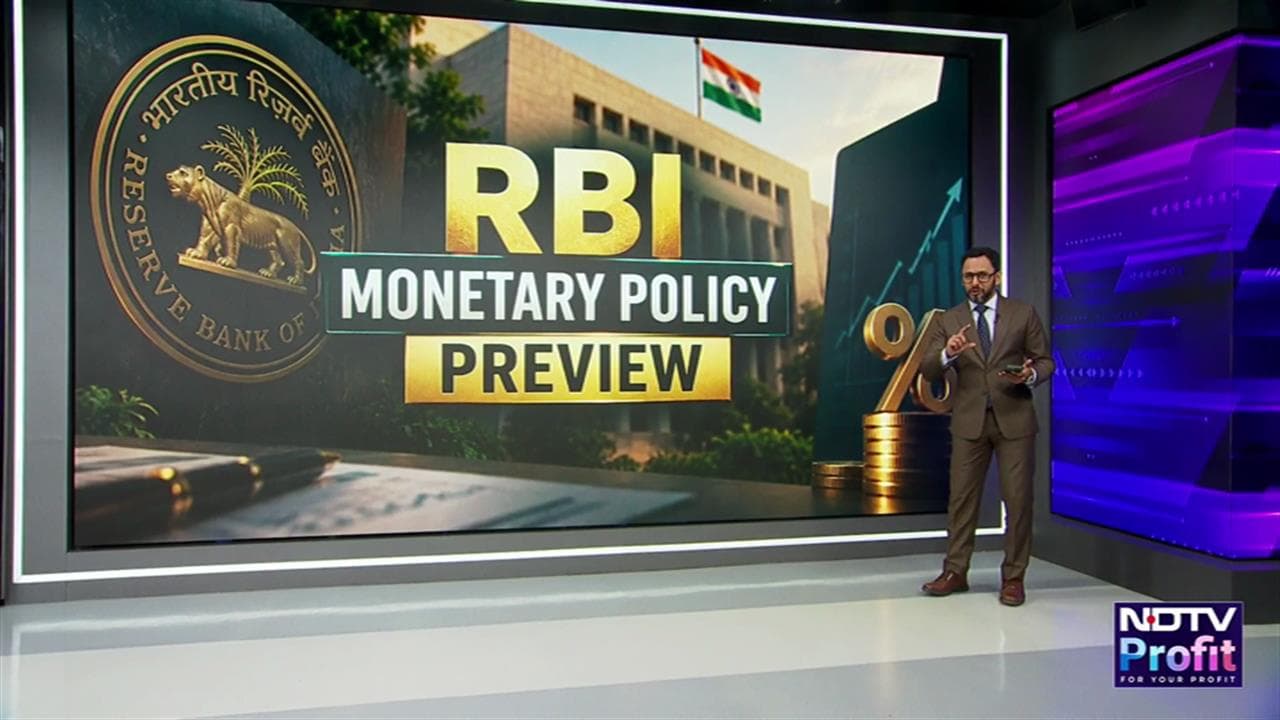
Japan Mulls Income Tax Hike From 2027 To Help Fund DefenseComing to domestic markets, 10-year government bond yield has come down by about 12 basis points since end January 2025 and currently is at about 6.6%. The Reserve Bank of India has reduced policy repo rate by 125 basis points from February to December of 2025. The RBI remained proactive in liquidity management by using various tools to keep ample liquidity in the banking system for effective transmission of rates. System liquidity remained in average surplus of Rs 1.4 lakh crore so far during Q3 2025–26 and core liquidity was at about Rs 2.6 lakh crore by the end of November. The Open Market Operation purchases and currency swap conducted by the RBI this month should cushion the outflows related to advance tax and GST payments.
Domestic yields hardened in the last few days as markets expected nearing the end of the current rate easing cycle. Nonetheless, the present "goldilocks" (high growth and low inflation) situation opened up policy space to support growth further and one expects the policy rate to remain low for "long period", as guided by the central bank.
Going ahead, yields trajectory would be guided by interaction of a host of factors. State government borrowings are generally back loaded to the last quarter of the financial year that would have its impact on liquidity and spreads during Q4. The Union Budget of 2026-27 is expected to be fiscally prudent and is likely to keep fiscal deficit at a level that eventually leads to decline in debt-to-GDP ratio. Our initial back-of-the-envelope calculations suggest some uptick in both gross and net market borrowing, while scheduled redemption in 2026-27 remains high at about Rs 5.5 lakh crore.
Nonetheless, some of these redemptions will likely be switched, thereby, keeping the overall gross borrowing range bound. The RBI is also likely to continue providing sizable liquidity. Finally, expected inclusion of Indian bonds under Fully Accessible Route in Bloomberg Global Aggregate Index should attract flows into Indian bond markets that could offer some cushion to yields, especially against the backdrop of an anticipated balance sheet expansion by the US Fed.
Siddhartha Sanyal is the chief economist and head of research at Bandhan Bank.
Disclaimer: The views expressed in this article are solely those of the author and do not necessarily reflect the opinion of NDTV Profit or its affiliates. Readers are advised to conduct their own research or consult a qualified professional before making any investment or business decisions. NDTV Profit does not guarantee the accuracy, completeness, or reliability of the information presented in this article.
Japan Bourse To Boost JGB Futures Liquidity As Volatility RisesEssential Business Intelligence, Sharp Market Insights, Practical Personal Finance Advice, Daily Fuel, Gold and Silver Prices and Latest Stories — On NDTV Profit.