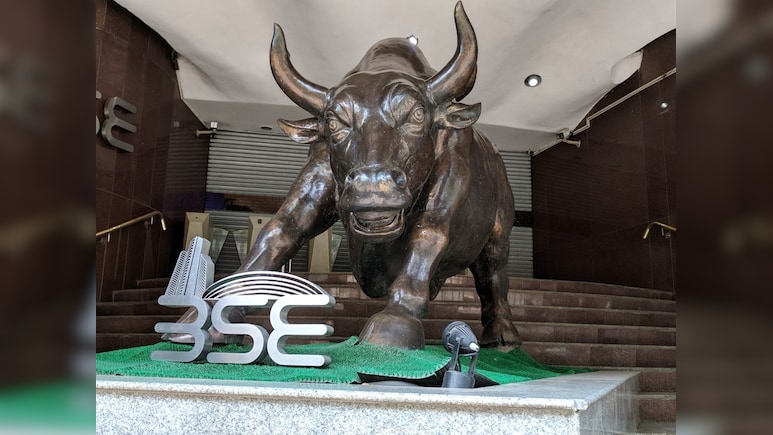
Let the festival of equity wealth creation begin in 2026. Why do I say this?
Pessimism hung over Indian equities for much of the past year. The global rally largely bypassed India, leading foreign investors to steadily pull money out of domestic markets. That trend continued into 2026. Consider this: in the year so far—barely one month—most Asian markets are up between 5% and 20%, while India is down 4%. Even a 4% to 5% rally now would only bring Indian markets back to flat. That does not reflect the pain of 2025, driven by tariffs and foreign institutional investor outflows. Some of this capital, however, could return. India and the US have signed a major trade deal and reset ties. Perception matters in markets. Sentiment hit a low and then began to recover after the EU deal. The US remains India's largest foreign investor. Markets react poorly to uncertainty; removing it supports sentiment.
A word on those who shaped this deal. India is one of the few countries outside China—which holds leverage in rare earths—to hold its position. India avoided confrontation. Prime Minister Narendra Modi led the process. At a time of demographic stress in many economies, India brought three factors to the table: leadership that negotiated terms without harming national interests, a large domestic consumption base, and a young, educated, semi-skilled blue-collar workforce.
US Ambassador to India Sergio Gor also played a role. Since his arrival, he helped reset the tone and move talks forward in a way that served both sides.
Also Read | Layoffs Are Rising In Tech, But These Skills Are Helping People Unlock Better Pay
The question now is how to approach equities. One response is clear: cover short positions. More broadly, recent trade developments should support export-oriented Indian companies, MSME-linked sectors—micro, small and medium enterprises—and firms with exposure to the US and North America. Headline tariffs on India stand at 18%. That is lower than several ASEAN peers, with Indonesia at 19% and Vietnam and Bangladesh at 20%.
The currency had come under pressure. Fiscal flexibility narrowed and room for rate cuts remained limited, as bond markets faced stress. As trade uncertainty fades, the rupee should stabilise. The recent depreciation was not entirely negative. A return to 85 to the dollar is not essential. Many see current levels as workable. The rupee's new anchor appears closer to 90 than 85. Global conditions required an adjustment. At these levels, Indian assets look more attractive on valuation grounds for foreign investors. The interest is likely to favour equities rather than bonds.
I see this as the end of the uncertainty phase. It counters pessimism. Let the festival of equity wealth creation begin in 2026.
Essential Business Intelligence, Sharp Market Insights, Practical Personal Finance Advice, Daily Fuel, Gold and Silver Prices and Latest Stories — On NDTV Profit.