- Rupee expected to depreciate 2% to 92 against USD by year-end, UBS forecasts
- Rupee gained 1.3% after US cut tariffs on Indian goods from 50% to 18%
- UBS adjusted INR forecasts to 90-92 through 2025, less bearish than market views
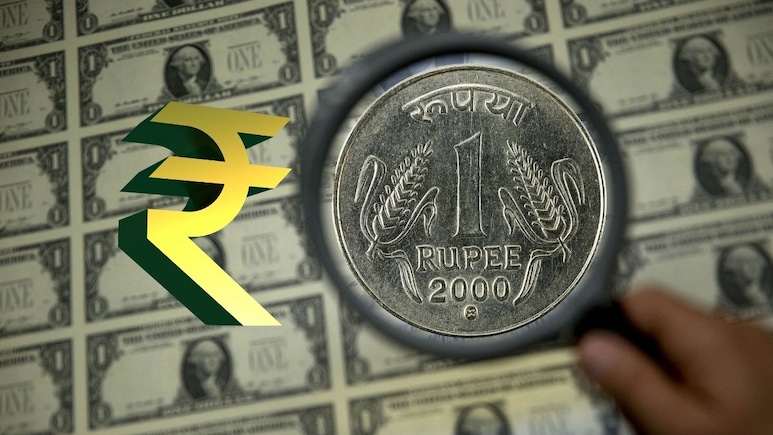
The rupee is expected to depreciate 2% toward a year-end target of 92 against the US dollar, in contrast to the markets' more bearish estimates of 3-4% decline toward 93-94, according to analysts at multinational investment bank UBS.
The local currency saw a relief bounce following the announcement of the US-India trade deal earlier this week. While the rupee should stay supported in the short term, weak balance-of-payment dynamics point toward a managed pace of depreciation, analysts said in a note.
President Donald Trump announced a cut to tariffs on Indian goods to 18% from 50% in exchange for India loosening some of its trade barriers and buying energy from the US instead of Russia. Since the news, the rupee has gained 1.3% against the greenback.
Also Read | Layoffs Are Rising In Tech, But These Skills Are Helping People Unlock Better Pay
UBS has adjusted its USDINR forecasts to 90, 91, 91.5, and 92 by end-March, June, September, and December. Earlier it was 92, 90, 90, and 90. "Our view on the INR is less bearish than that of the markets, where the latter generally expects the INR to weaken toward 93–94 versus the USD by year-end," the note said.
ALSO READ: RBI May Pivot To Buying Dollars To Build Forex Reserves, Analysts Say
Notably, Barclays Bank Plc and Nomura Holdings Inc. are among those predicting that the RBI will use the recovery in the rupee to buy dollars. They recommend shorting the rupee — Nomura sees it at 94 to a dollar by May, while Barclays is targeting that level via a three-month offshore position, according to Bloomberg News.
UBS analysts said the markets might be clouded by a "recency bias" after the INR fell by 4.8% versus the USD in 2025 despite the greenback's decline against other major currencies. The persistent drift higher in the USDINR has likely reinforced the markets' mindset that this trend depreciation will continue.
Secondaly, India's current account deficit for fiscal 2026 and 2027 are estimated to be around 0.8% and 1.1% of GDP, respectively, which is considered manageable by historical standards. Even as foreign direct investment and portfolio inflows has been lackluster over the last year, markets should not underestimate the potential for a step up in FDI commitments into India, particularly after it inked a series of trade agreements in recent months.
ALSO READ: Lenders Said To Ask RBI For Leeway On Liquidity Rules
Essential Business Intelligence, Sharp Market Insights, Practical Personal Finance Advice, Daily Fuel, Gold and Silver Prices and Latest Stories — On NDTV Profit.