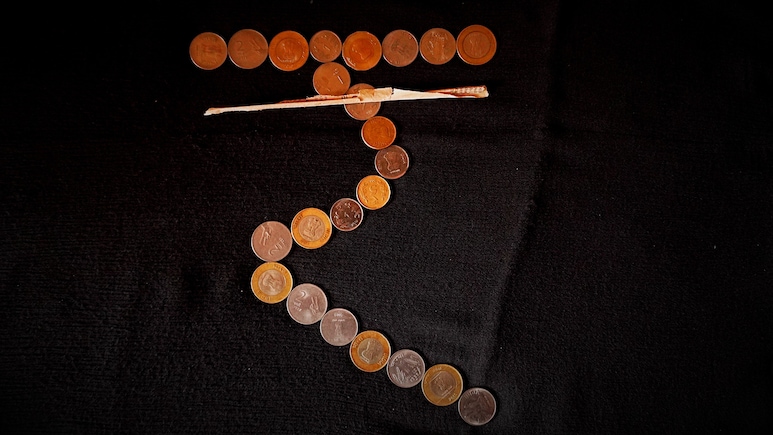
The pressure in rupee continued as the local currency opened at 91.08 against the US Dollar, before weakening further to hit 91.70 levels, thus reaching an all-time low. This is the fourth time the rupee breached the 91 per dollar mark, as poor momentum continues.
A host of factors are weighing on the rupee today, including a lack of support from foreign investors and continued concerns around the US-India trade deal.
Here, at NDTV Profit, we will take a look at five reasons why the rupee has continued to weaken against the US dollar.
Capital Outflow Concerns
One of the key reasons impacting the rupee is the persistent selling from foreign portfolio investors (FPIs), who remained net sellers for 11 days straight on the cash markets. This has created a significant dollar shortage.
Bonds Rise On Lower State Debt Supply
Indian bond yields have climbed, tracking the rise in US Treasury yields. This increase in domestic yields reflects a lack of demand and a "risk-off" sentiment, making the rupee less attractive to investors.
Global Tariffs Woes
Heightened geopolitical tension involving the US administration's "Greenland Tariff" threats has rattled markets. The potential for 10–25% levies on European allies has ignited fears of retaliatory trade wars, strengthening the US dollar globally.
Overhang of the US-India Trade Deal Completion
Uncertainty regarding a long-awaited trade pact with Washington continues to weigh on investor sentiment, playing a key role in foreign investors avoiding the Indian market for now.
Union Budget Soon
With the Union Budget scheduled for February 1, the market is in a "wait-and-watch" mode. Investors are cautious about potential shifts in fiscal deficit targets and government borrowing plans for the next fiscal year
Essential Business Intelligence, Sharp Market Insights, Practical Personal Finance Advice, Daily Fuel, Gold and Silver Prices and Latest Stories — On NDTV Profit.