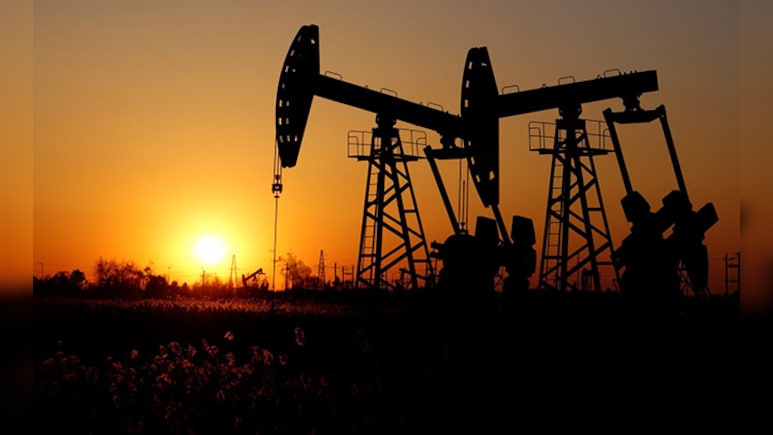
Oil prices edged lower on Thursday as traders balanced signs of easing tensions around the Strait of Hormuz against growing risks to Russian energy supplies from the Russia-Ukraine conflict. West Texas Intermediate traded below $82 a barrel, extending its weekly decline to around 6%, while Brent settled below $88.
Crude had swung sharply during the session after reports of a possible escalation in Ukraine initially pushed prices higher, before gains reversed on news of progress between Iran and Oman over navigation through Hormuz.
The conflicting signals have left oil markets caught between the prospect of more Middle Eastern supply returning to global markets and fresh disruptions to Russian exports.
Also Read | Layoffs Are Rising In Tech, But These Skills Are Helping People Unlock Better Pay
Iran's military said it had reached a revenue-sharing agreement with Oman concerning the Strait of Hormuz. While Tehran has stressed that such an agreement does not necessarily mean the waterway will immediately reopen, the development has strengthened expectations that energy flows through the key shipping route could improve.
ALSO READ: Hormuz Flashpoint: Iranian Warship Confronts Indian Oil Tanker
US President Donald Trump has also said that 10 million barrels of oil exited Hormuz on Tuesday, adding to hopes that shipments are gradually picking up.
Satellite imagery meanwhile indicates that Saudi Arabia may be increasing oil loadings from within the Persian Gulf. The move suggests the world's largest crude exporter is adapting its export routes amid threats from Yemen's Houthi militants against shipments through the Red Sea.
Still, the supply outlook remains fragile. Escalating Russia-Ukraine tensions could tighten global energy markets further, with Ukrainian strikes on Russian refineries and ports disrupting fuel production and limiting Moscow's ability to redirect crude towards exports.
Despite this week's decline, oil remains more than 40% higher this year, reflecting the supply disruptions caused by the six-month conflict in the Persian Gulf.
ALSO READ: US Claims Chinese Hackers Targeted Fed, Senate, NASA, DoJ, Other Govt Agencies
Essential Business Intelligence, Sharp Market Insights, Practical Personal Finance Advice, Daily Fuel, Gold and Silver Prices and Latest Stories — On NDTV Profit.