- Global oil prices rose for two days due to Middle East tensions and US maritime warnings
- Brent crude closed at $69.04 and WTI crude settled at $64.36 after initial price dips
- US advised vessels to avoid Iranian waters near Strait of Hormuz citing security risks
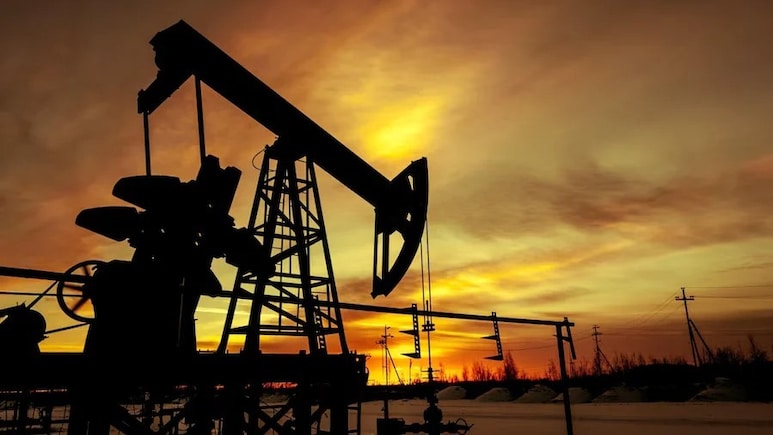
Global oil prices held a two-day advance Tuesday as rising tensions in the Middle East and new U.S. maritime warnings injected a fresh risk premium into the market, overshadowing cautious optimism from nuclear discussions in Oman.
In Monday's session, Brent crude futures rose 99 cents, or 1.45%, to close at $69.04 a barrel. U.S. West Texas Intermediate (WTI) crude gained 81 cents, or 1.27%, to settle at $64.36. Prices had dipped earlier in the day but reversed course after the U.S. Department of Transportation advised American-flagged vessels to maintain maximum distance from Iranian territorial waters when transiting the Strait of Hormuz and Gulf of Oman.
The advisory cited historical risks of boarding by Iranian forces, including an incident as recently as Feb. 3. The Strait of Hormuz remains the world's most critical energy chokepoint, with roughly one-fifth of global oil consumption passing through the waterway.
Also Read | Layoffs Are Rising In Tech, But These Skills Are Helping People Unlock Better Pay
The heightened alert comes despite recent indirect talks in Muscat between Washington and Tehran. While both sides described the initial rounds as "positive," no formal deal has been reached. Tensions were further strained by the presence of U.S. CENTCOM Commander Admiral Brad Cooper at the negotiating table, a move Tehran characterised as "diplomacy in the shadow of force." Over the weekend, Iran's foreign minister warned that the Islamic Republic would strike U.S. bases in the region if attacked.
For Indian markets, the price surge coincides with a strategic pivot in domestic procurement. Indian refiners, including Indian Oil Corp. and Reliance Industries, have reportedly paused spot purchases of Russian crude. The hiatus follows a U.S. executive order linked to a broader trade deal, which warns of increased tariffs on Indian goods if purchases of sanctioned Russian oil continue.
Analysts suggest that while global inventories remain stable, the "Iranian risk premium" will likely support prices near the $70 mark as long as naval build-ups in the Persian Gulf persist.
Essential Business Intelligence, Sharp Market Insights, Practical Personal Finance Advice, Daily Fuel, Gold and Silver Prices and Latest Stories — On NDTV Profit.