- RBI draft guidelines pressure stockbroking and exchange counters on Monday trading
- BSE Ltd. shares dropped up to 8% amid fears of significant impact from new RBI norms
- MCX Ltd., Angel One, Groww, and JM Financial shares also faced cuts over 4% to 5.5%
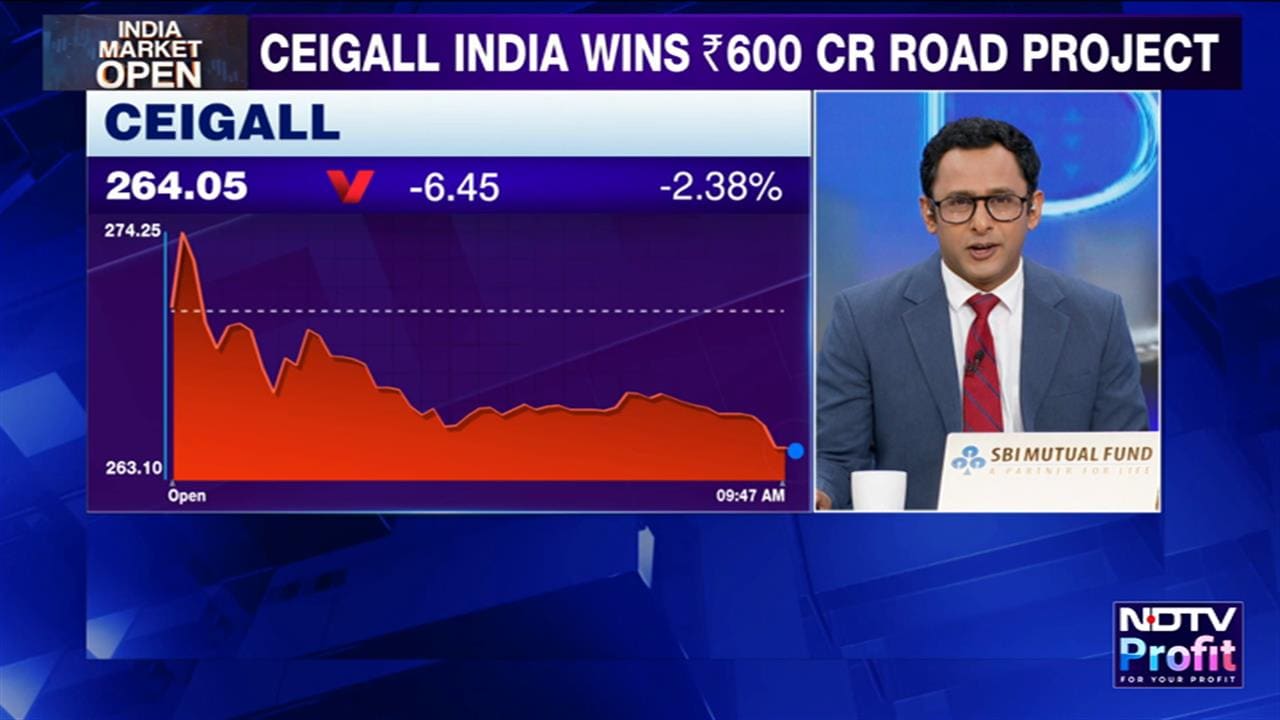
The stock market is feeling the brunt of the Reserve Bank of India's draft guidelines aimed to curb leverage in the brokerage ecosystem, with all of the counters in the stockbroking and exchanges segment facing pressure in trade on Monday.
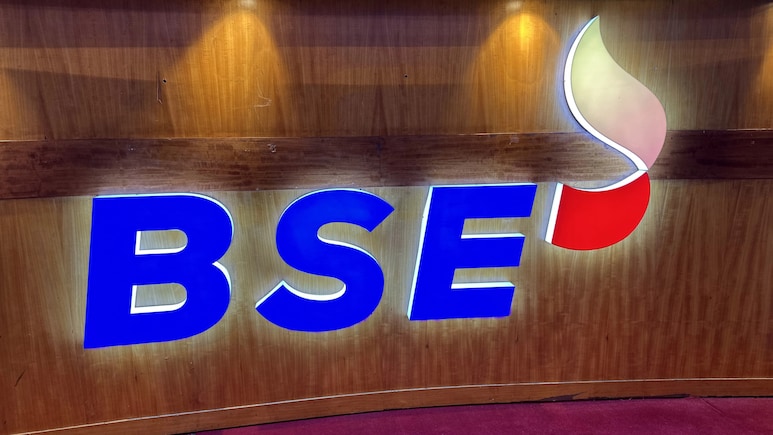
The drawdown is led by BSE Ltd., which has fallen up to 8% in trade amid fears that the new RBI norms may impact the exchange in a significant manner. Similarly, shares of MCX Ltd. are also under pressure and trading with cuts of more than 5%.
In terms of brokerages and capital market players, Angel One shares have fallen more than 5.5%, whereas Groww and JM Financial shares are also trading with cuts of more than 4%.
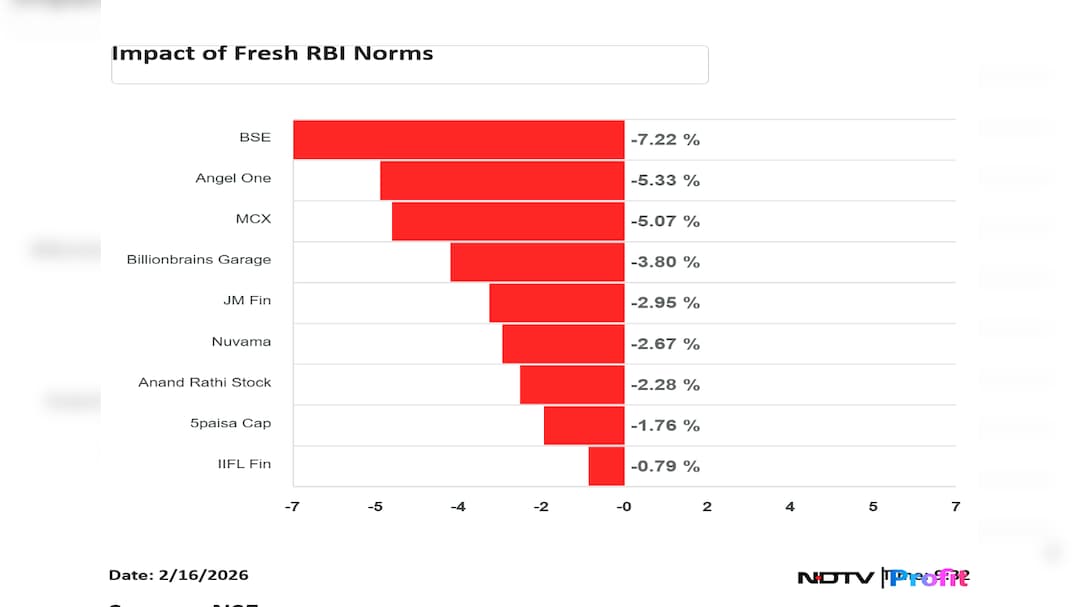
Photo Credit: NDTV Profit
This segment-wide pressure comes on the back of fresh RBI norms, moving towards a more conservative 'cash-first' regulatory environment. Effective April 1, 2026, the new rules are set to significantly increase capital requirements and reduce the leverage available to brokerage houses.
Under the current regime, brokers often secure bank guarantees (BGs) by offering 50% in the form of fixed deposits while covering the remaining half through personal or corporate guarantees. The RBI is ending this practice. Starting in April, all funding must be 100% secured, meaning personal or corporate guarantees will no longer be applicable.
In addition, for any bank guarantee issued in favour of exchanges, at least 50% must be backed by collateral, of which 25% must be pure cash. For a broker seeking a Rs 100 guarantee, this means Rs 25 must now be locked away in non-productive cash.
In light of the fresh norms, Citi had come out with a note, noting that the norms may impact transaction-driven players such as brokers, clearing members and exchanges, considering how they are dependent on bank-backed guarantees and short-term funding lines.
ALSO READ: Brokerages Face Capital Stress Under New RBI Rules, Says Citi; Alternative Funding Set To Rise
Essential Business Intelligence, Continuous LIVE TV, Sharp Market Insights, Practical Personal Finance Advice and Latest Stories — On NDTV Profit.