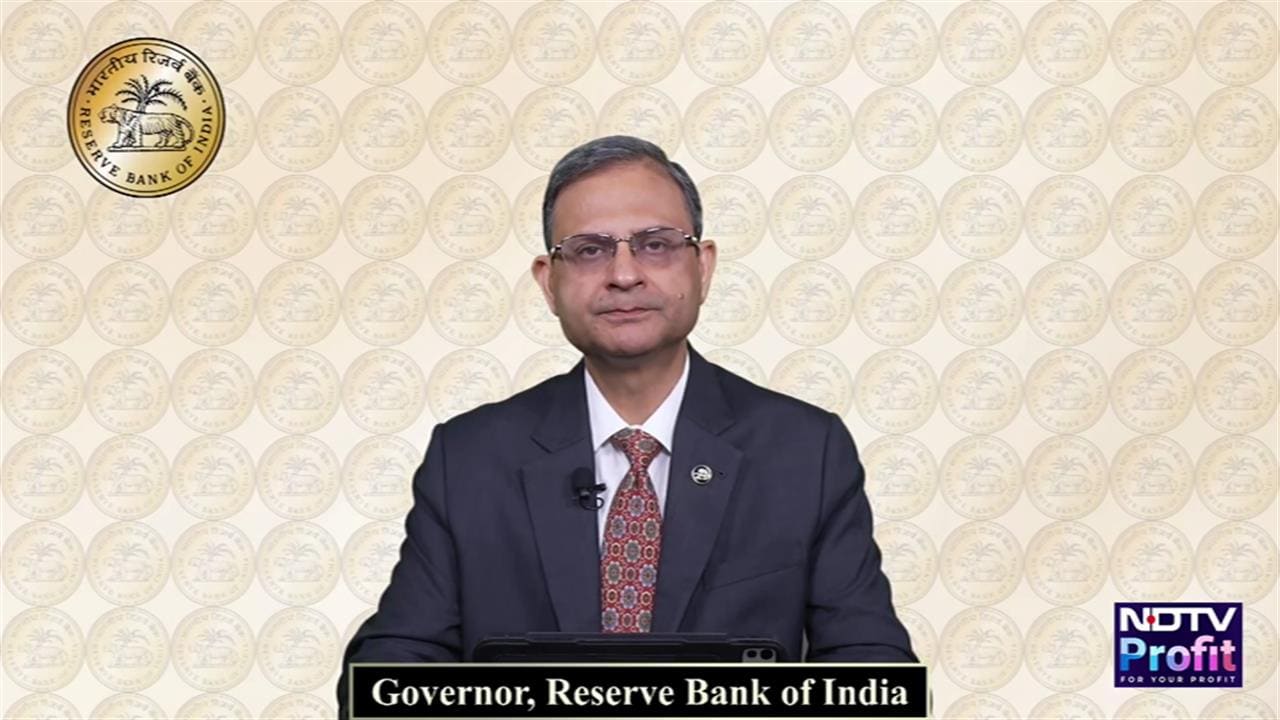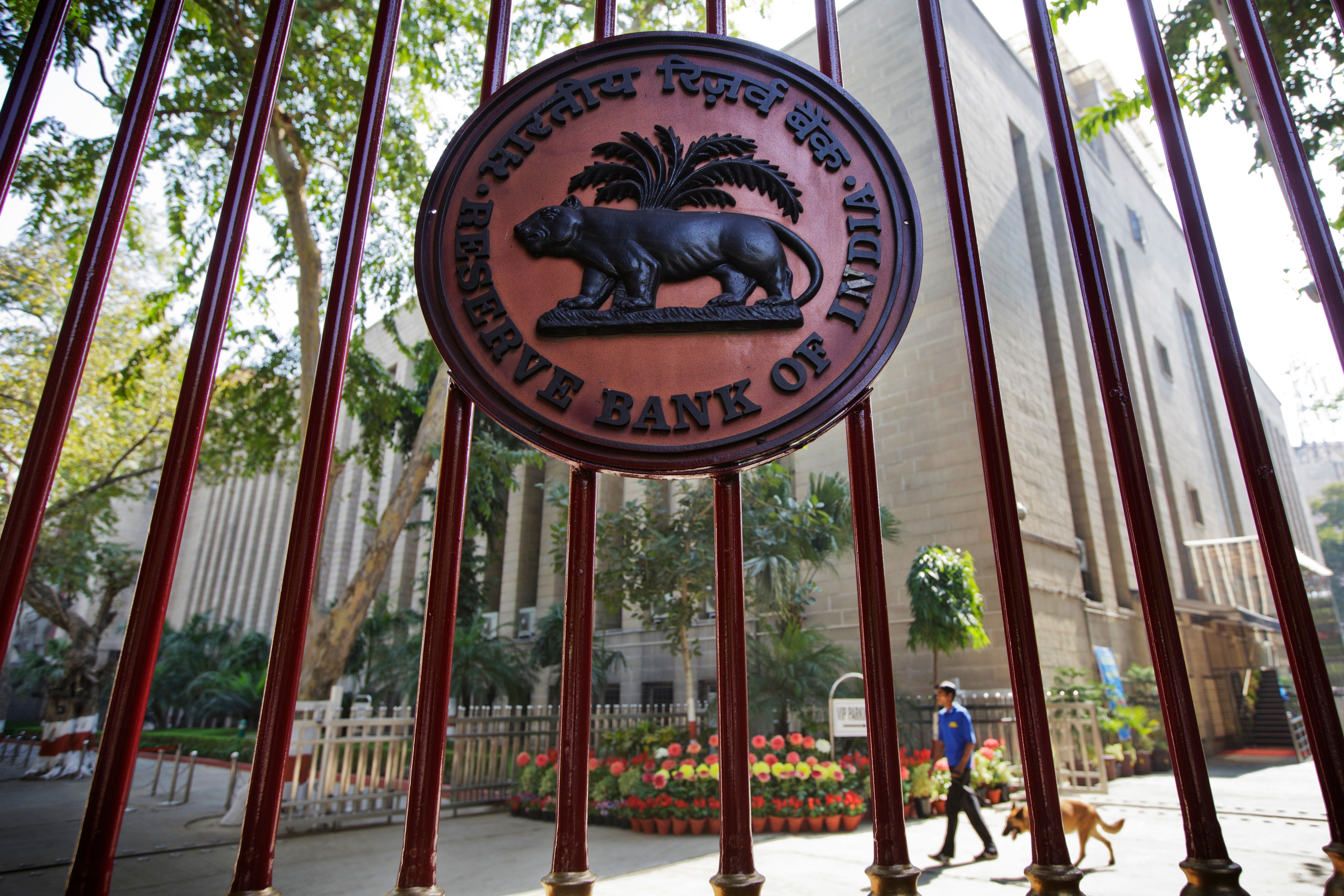
Loss-making banks now have a significant headroom for making coupon or interest payments on additional tier-1 bonds. The Reserve Bank of India has said that lenders can now dip into statutory reserves to service such coupon payments if profits and revenue reserves prove insufficient, according to a notification on the central bank's website.
Additional tier-1 bonds, or AT-1 bonds, are also known as CoCo bonds, and are quasi-equity instruments. As defined by the RBI, these bonds absorb losses to the principal through a conversion to equity or a write-down. The coupon payment on these instruments is normally paid out of the bank's profits for the year.
Prior to the change, which has come into force with immediate effect, banks were allowed to tap into their profit and loss balance or their revenue reserves if profits proved insufficient.
Also Read | Layoffs Are Rising In Tech, But These Skills Are Helping People Unlock Better Pay
Banks generally put 25 percent of their profits in a year into a statutory reserve, which is a buffer, said Abhishek Bhattacharya, director and co-head, financial institutions, at India Ratings & Research.
This allowance gives banks significant headroom. AT-1 coupon serviceability will improve significantly. This could lead to increased demand for these bonds and tighter pricing.Abhishek Bhattacharya, Director and Co-Head, Financial Institutions, India Ratings & Research
The RBI has stipulated that banks can use their statutory reserves only if the profits, profit and loss balances, and revenue reserves prove insufficient.
Under Basel-III norms, which will be fully applicable from March 31, 2019, banks must maintain a minimum capital adequacy ratio of 11.5 percent. Of the total, tier-I capital must be 7 percent, tier-II 2 percent, and banks must also maintain a capital conservation buffer of 2.5 percent of risk weighted assets.
Banks have the option of issuing AT-1 bonds and counting the funds raised in Tier-I capital to the extent of 1.5 percent of risk-weighted assets.
With the government sticking to its plan to invest Rs 10,000 crore into public sector banks in financial year 2017-18, some banks may choose to shore up capital through AT-1 bond issuances, said Bhattacharya.
Rating agencies estimate that banks will need significantly more capital than the Rs 70,000 crore allocated by the government to be infused over a period of four years ending March 2019. ICRA estimates that Rs 1.5-1.8 lakh crore in capital will be needed during the FY17-FY19 period.
Essential Business Intelligence, Sharp Market Insights, Practical Personal Finance Advice, Daily Fuel, Gold and Silver Prices and Latest Stories — On NDTV Profit.