The University Grants Commission (UGC) recently introduced new rules to eliminate caste-based discrimination in universities across India. Under the new rules notified by the apex regulatory body for higher education institutions in the country on Jan. 13, all universities are required to set up committees for complaints over caste-based discrimination. However, the regulations have resulted in widespread backlash from general category students, who are worried about the norms affecting them adversely.
What Are The New Rules
The controversy began when the University Grants Commission (UGC) issued the Promotion of Equity in Higher Education Institutions Regulations, 2026, earlier this month. The rules require all Higher Education Institutions (HEIs) to set up anti-discrimination committees and formal mechanisms to address caste-based complaints. The framework also calls for establishment of Equal Opportunity Centres, Equity Committees, grievance systems and 24-hour helplines to address caste-based and other forms of discrimination.
These follow long-standing criticism that institutions have failed to adequately tackle caste-based bias in campuses. The regulations follow a Supreme Court order on a petition by Rohith Vemula's and Payal Tadvi's mothers, seeking proper implementation of the 2012 UGC anti-discrimination rules.
Rohith Vemula, a University of Hyderabad PhD scholar, died by suicide in 2016, allegedly due to caste-based discrimination. Payal Tadvi, a Mumbai doctor, in 2019, also died by suicide after reportedly facing harassment by seniors.
The Left-backed All India Students' Association (AISA) supported the UGC Equity Regulations, 2026, calling the inclusion of OBCs under equity protection a positive step.
Why New Rules Have Sparked Outrage
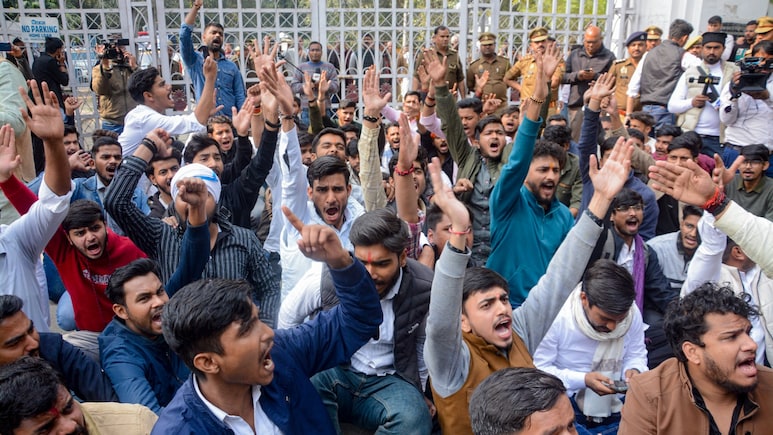
The UGC regulations have resulted in protests by general category students, who argued that no specific provisions protect them. They have also warned of a possible rise in complaints from reserved category students. According to critics, the rules risk deepening divisions among students. They argued that under the new framework, general category students lack complaint mechanisms, penalties for false claims have been removed and committees are biased.
In response to the rules, some BJP office-bearers in Uttar Pradesh have also resigned. The wider debate surrounding the row is about the fear of potential misuse of the rules. Outside the UGC headquarters in Delhi, the "Savarna Sena," led by co-founder Shivam Singh, also held a protest on Jan. 27.
The protesting group also submitted a series of demands to the UGC, including a full rollback of the regulations. Alokit Tripathi, a Delhi University PhD student, told PTI that officials have agreed to discuss some points, including appointing one general community member to the Equity Squad. The UGC has assured a solution before Feb. 12, according to him.
Government Response
Amid the controversy, the government on Tuesday assured that the new UGC regulations would not be discriminatory or misused. Union Education Minister Dharmendra Pradhan said that the issue is being monitored by the Supreme Court and all actions will remain strictly within the framework of the Constitution.
"I want to humbly assure everyone, no one is going to face any harassment, there will be no discrimination and no one will have the right to misuse the regulation in the name of discrimination," he was quoted as saying by PTI.
Essential Business Intelligence, Sharp Market Insights, Practical Personal Finance Advice, Daily Fuel, Gold and Silver Prices and Latest Stories — On NDTV Profit.