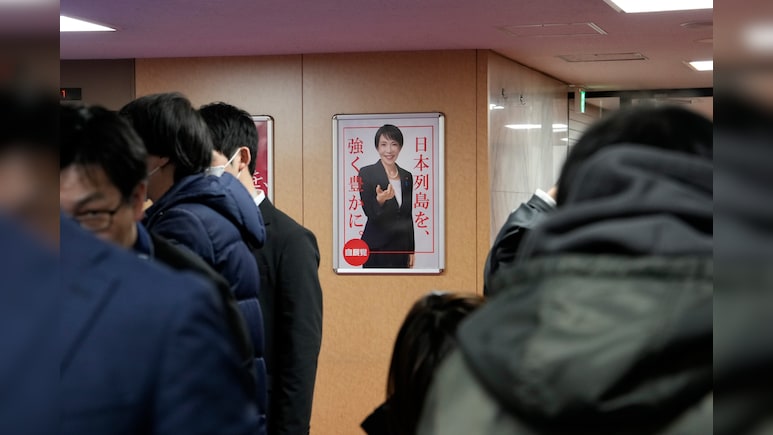
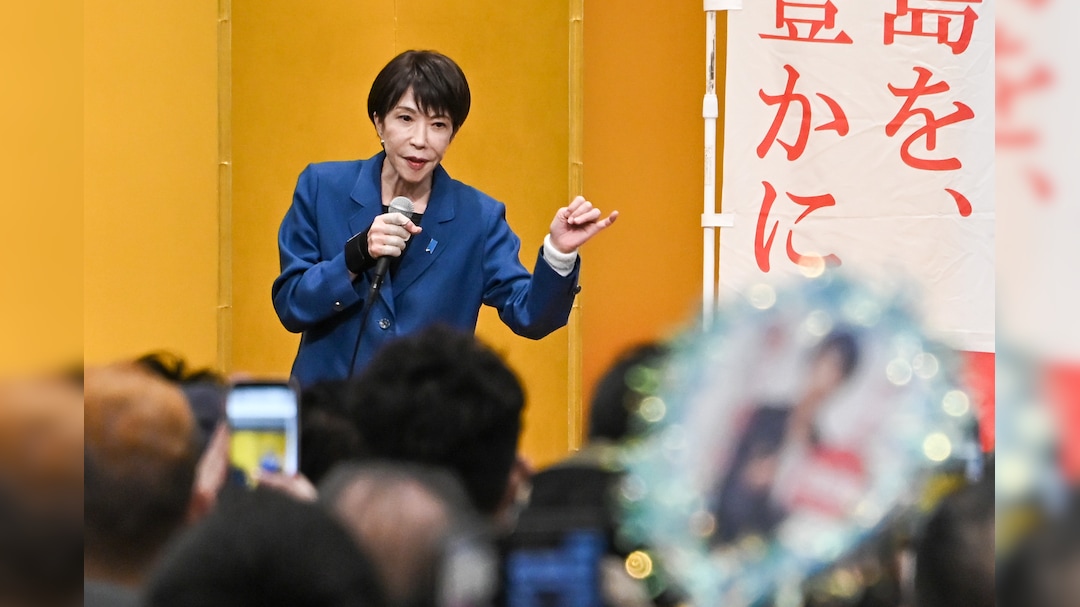
Japanese Prime Minister Sanae Takaichi is poised for a historic election landslide, positioning her to become the nation's strongest leader in years in an outcome that may fuel further market volatility.
Her ruling Liberal Democratic Party is on track for the biggest post-war victory for a single-party in a general election in Japan, an extraordinary transformation of fortunes for a party that was on the ropes just last summer.
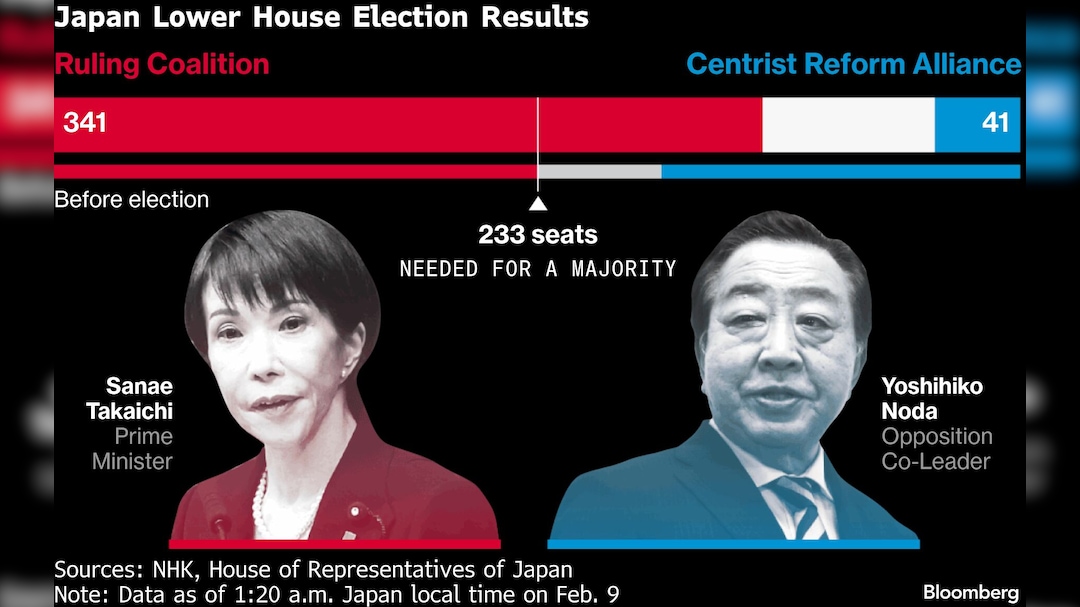
The LDP secured a two-thirds super majority in the 465-seat lower house by itself, according to public broadcaster NHK. A tally of results by NHK showed that the ruling coalition had already won 341 seats in the lower house, expanding its razor-thin majority of 233 by a considerable margin. The LDP's haul of 310 seats gives it the highest proportion of representatives in the lower house than any other party in post-war elections in Japan.
Also Read | Layoffs Are Rising In Tech, But These Skills Are Helping People Unlock Better Pay
Takaichi had staked her job on the outcome of the snap election just months after taking office, saying she would step down if her ruling coalition failed to win a majority. The gamble appears to have paid off spectacularly, just seven months after the LDP lost control of both houses of parliament. while putting her in league with former popular Japanese leaders Shinzo Abe and Junichiro Koizumi.
The outcome gives Takaichi a mandate to push ahead with bold spending plans that have put investors on edge and a more assertive stance on the international stage, where she has clashed with China over Japan's support for Taiwan.
A super majority in the lower house would make it even easier for her coalition to pass legislation and put the contentious issue of constitutional amendment back on the table, reviving a debate that has energized nationalists and spooked advocates of Japan's longstanding pacifism.
“They had dropped three straight major elections in a row when she took over and she snapped that losing streak,” said David Boling, a former deputy assistant US Trade Representative, now at the Asia Group. “She's reclaimed the momentum and now she really owns the party's future.”
Investors have already been positioning for a decisive victory for the LDP, scooping up Japanese stocks and selling the yen and government bonds, as they expect an emboldened Takaichi to ramp up spending and investment to support the economy, while possibly slowing down the Bank of Japan's pace of interest rate hikes. Depending on the final outcome, the so-called Takaichi trade may either accelerate or unwind.
In particular, economists and market watchers have been closely scouring Takaichi's remarks on her spending plans, the possibility of cutting the sales tax on food and her views on the yen. Last weekend she gave comments that appeared to favor the benefits of a weak yen, sparking further weakness in the currency.
What Bloomberg Economics Says
“Expectations of a stable, pro-stimulus administration point to a risk-on start to the week — stronger equities, higher bond yields and a weaker yen. Our baseline scenario is that there will be greater pressure on the Bank of Japan to avoid swift tightening. This speculation could weigh on the yen.” — Taro Kimura, economist
“That kind of ambiguity is not particularly helpful for the yen and it could well be that we'll be testing the 159, 160 mark in the coming days,” said Chris Scicluna, head of economic research at Daiwa Capital Markets Europe. “I think that some talk of possible interventions could well be reemerging as the week goes on.”
Speaking as the results came in, Takaichi said her remarks on the yen had been misinterpreted. She reiterated her view that she wanted to build a strong economy that wasn't affected by fluctuations in the currency.
Finance Minister Satsuki Katayama declined to comment on the yen's level, but reminded reporters that the authorities were in close contact with the US and said she would communicate with markets on Monday if necessary. The comments pointed to possible concern within Takaichi's government that a resounding win might jolt markets at the start of the week.
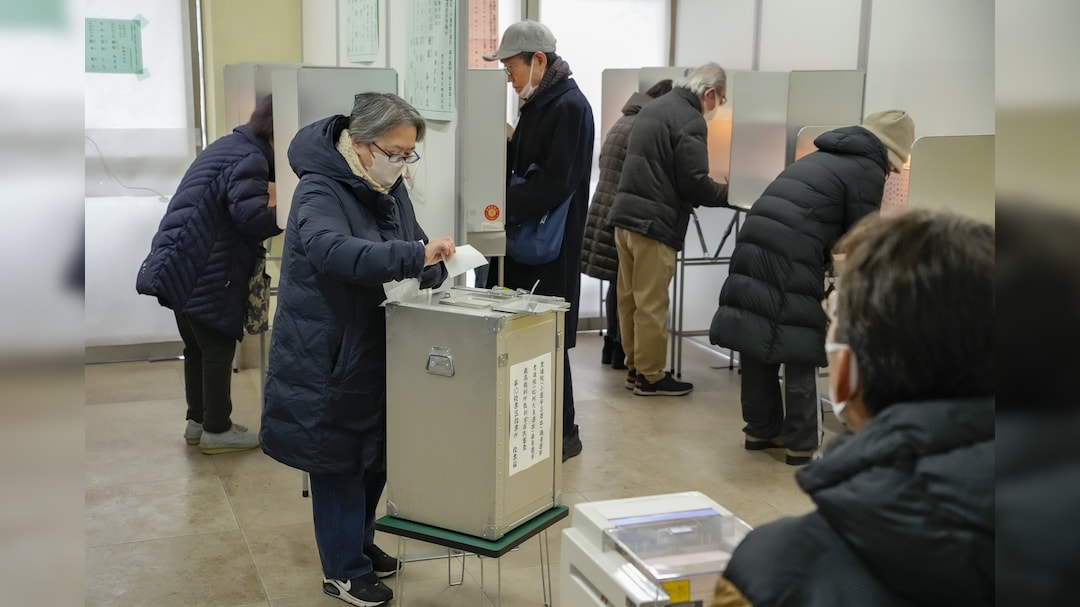
On policy, one of the leading issues in the election has been a cost-of-living crunch for families dealing with the first consistent bout of inflation in a generation. Both the LDP and the main opposition party, the Centrist Reform Alliance, favor lowering the sales tax on food to zero to help households, but the LDP is looking at a temporary measure while the CRA wants the move to be permanent.
On a TV program, Takaichi said she'd like to proceed on the premise that she had won public approval for a suspension of the food sales tax for two years without issuing fresh government bonds, in line with a reference in her manifesto. But given the difference of opinion among political parties, discussions were still required, she added.
“The consumption tax is an extremely significant issue. We intend to proceed flexibly, listening to the opinions of each party, while we aim to reach a conclusion as soon as possible,” she said.
That still leaves some wiggle room for an amended plan. Her initial pledge to suspend the sales tax cut temporarily added to market jitters over her government's pro-active fiscal policy. Longer-term bond yields spiked sharply last month as investors weighed the plans for a tax reduction without clear financing. A two-year suspension is estimated to cost the government ¥5 trillion ($32 billion) in lost annual tax revenue.
“The Takaichi administration is well aware that pushing aggressive fiscal measures too aggressively tends to lead to yen depreciation and rising bond yields,” said Harumi Taguchi, principal economist at S&P Global Market Intelligence. “For the Bank of Japan, a weaker yen would increase inflationary pressure, potentially pushing for rate hikes. However, accelerating the pace of rate hikes requires caution, so the BOJ faces a difficult balancing act.”
The LDP's loss of its longtime coalition partner Komeito to what is now the CRA was initially expected to have more of a detrimental impact on the election, given that the party's backing from religious group Soka Gakkai delivered solid votes for the LDP in the past.
But earlier surveys suggested otherwise, with the hurriedly formed CRA struggling to appeal to voters. An NHK exit poll indicated the CRA's tally of seats in the lower house may halve. The party had won just 41 seats so far, according to NHK. CRA co-leader Yoshihiko Noda conceded defeat in the early hours of Monday morning.
Takaichi had bet on a snap election to capitalize on high approval ratings while leaving the opposition on the back foot. Noda's gamble to throw his weight behind the merger of his opposition party with Komeito proved to be a misjudgment.
Now Takaichi has the kind of solid administration that makes her untouchable for the time being.
“I think one upside is now that she has such a strong majority, there's more predictability and stability in governing and you would think the markets would like that,” Boling said.
ALSO READ: AI Fear Grips Wall Street As A New Stock Market Reality Sets In
Essential Business Intelligence, Sharp Market Insights, Practical Personal Finance Advice, Daily Fuel, Gold and Silver Prices and Latest Stories — On NDTV Profit.