- India-New Zealand Free Trade Agreement will come into force on October 20, 2026
- New Zealand will remove tariffs on all goods imported from India under the pact
- India will cut tariffs on 95% of imports from New Zealand, including sheep meat and wool
India and New Zealand are set to bring their Free Trade Agreement (FTA) into force on October 20, 2026, opening a new phase in trade ties between the two countries. The pact cleared its final procedural hurdle on Monday after both sides formally completed the ratification process.
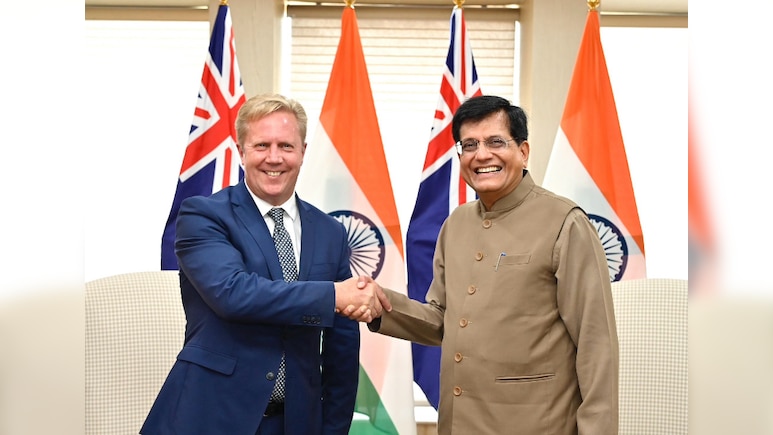
New Zealand Trade and Investment Minister Todd McClay exchanged the ratification documents with India's High Commissioner to New Zealand, Muanpuii Saiawi, confirming that both countries had completed their domestic procedures.
Union Minister of Commerce & Industry and MP Piyush Goyal informed on X, "A Vijay for both nations
Also Read | Layoffs Are Rising In Tech, But These Skills Are Helping People Unlock Better Pay
India-New Zealand FTA coming into force on 20th October 2026, on the occasion of Vijay Dashami."
A Vijay for both nations ???????????????? India-New Zealand FTA coming into force on 20th October 2026, on the occasion of Vijay Dashami. https://t.co/YNPEpbHMvE
— Piyush Goyal (@PiyushGoyal) September 21, 2026
The agreement, signed in New Delhi on April 27, 2026, provides significant tariff concessions and wider market access for businesses in both countries. Under the pact, New Zealand will remove tariffs on 100 per cent of goods imported from India, giving Indian exporters duty-free access to the New Zealand market.
The benefits will cover a wide range of Indian products, including textiles and apparel, pharmaceuticals, machinery, vehicles, gems and jewellery, processed foods, tea, coffee and spices.
ALSO READ: What Happens If US Imposes 100% Tariff On Russian Oil Buyers? IOCL, BPCL & HPCL Face Risk
India, meanwhile, will eliminate or substantially reduce tariffs on about 95% of its current imports from New Zealand. Around 57% of New Zealand exports will become duty-free in India from the first day of implementation. These include products such as sheep meat, wool, coal, forestry and wood products.
Further tariff reductions are scheduled for January 1, 2027. New Zealand will also receive preferential quota access to the Indian market for selected agricultural products, including apples, kiwifruit and albumins. India has retained significant protection for its dairy sector.
Beyond merchandise trade, the agreement includes provisions covering services, investment and the temporary movement of people, providing greater certainty for exporters, investors and businesses.
The two countries have said the agreement is intended to expand bilateral trade, diversify supply chains and improve market access. For New Zealand, the pact opens wider access to the large Indian market, while Indian exporters gain broader duty-free access to New Zealand.
The agreement follows the revival of India-New Zealand FTA negotiations in March 2025 and their subsequent conclusion before the pact was signed in April 2026.
Essential Business Intelligence, Sharp Market Insights, Practical Personal Finance Advice, Daily Fuel, Gold and Silver Prices and Latest Stories — On NDTV Profit.