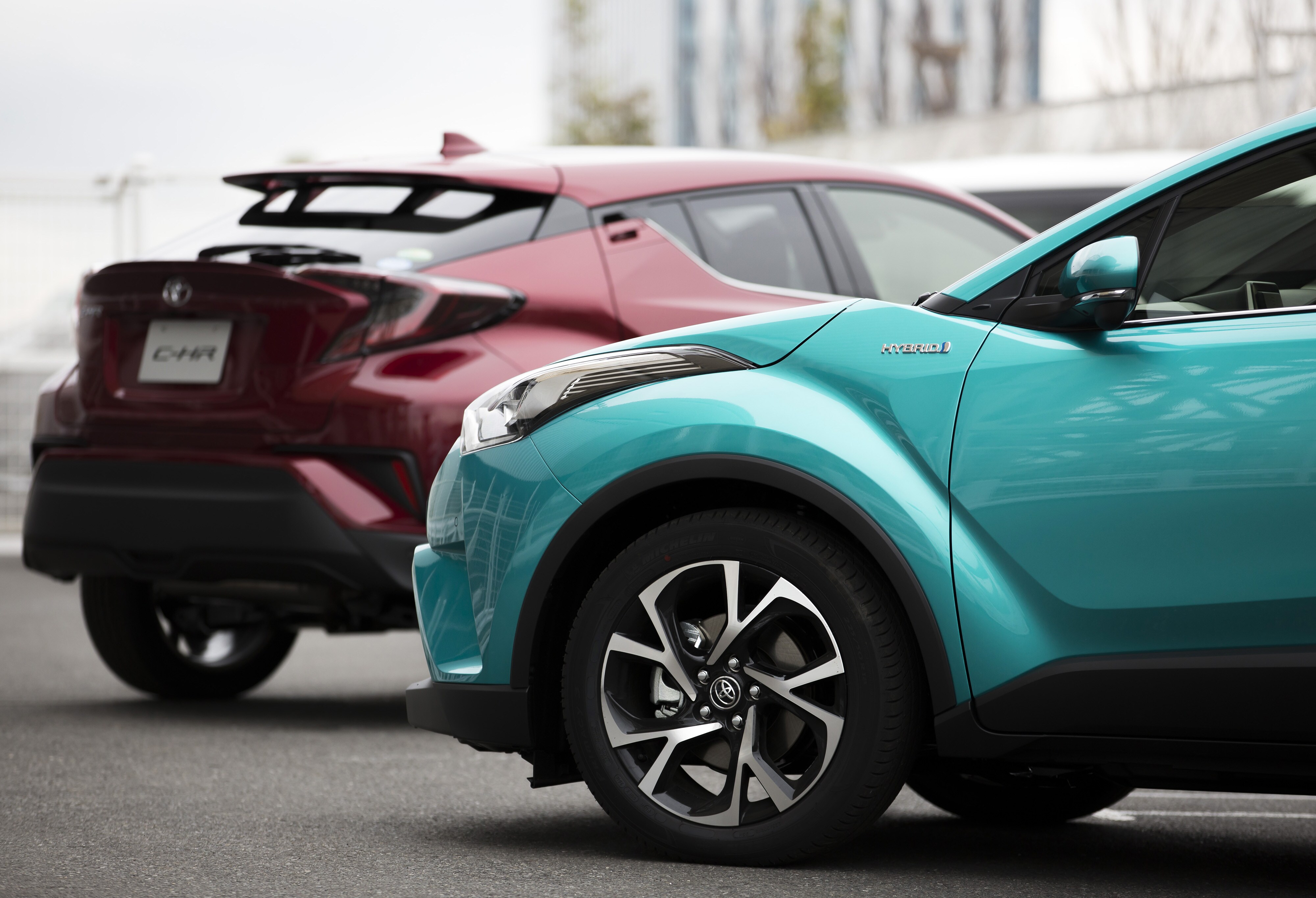
The GST Council may reconsider the proposed 43 percent tax on hybrid cars at its meeting next week after the auto industry voiced its disappointment over the steep rate hike.
As per the tax slabs decided by the Council last week, the incidence of GST on mid and large-sized hybrid cars has been kept at the same level as passenger cars. The tax incidence on hybrid vehicles will go up to 43 percent from the current level of effective tax rate of 30.3 percent under the new indirect tax regime.
Acknowledging the concerns being shared by industry, a revenue department told PTI on the condition of anonymity that the GST Council may take a re-look at it at its next meeting on June 3.
Also Read: GST: Highest Rate For Hybrids, Electric Vehicles Get Tax Incentive
Auto industry sources said that they will write to the finance ministry this week explaining their position and how it would put a spanner in the wheels of government plans to promote alternate energy. The industry has already said that the increased tax incidence is against the government's long-term goal of promoting green vehicles in the country.
Some of the popular hybrid vehicles sold in India are Camry Hybrid and Prius from Toyota and Honda Accord. These cars are priced between Rs 31.98 lakh and Rs 38.96 lakh. A host of other companies were also planning to foray into the segment.
The GST Council, in its meeting last week, finalised 28 percent tax rate for hybrid cars. However, mid-size and large-size hybrid cars have been subject to 15 percent cess – same as similar sized passenger cars.
At present, hybrid vehicles attract excise duty of 12.5 percent, similar to the ones for entry level small cars such as Tata Nano or Maruti Alto. Even though they are exempt from infrastructure cess, there is a 1 percent National Calamity Contingent Duty, 2 percent Central Sales Tax and 12.5 percent VAT, which takes the total incident of tax to 30.3 percent.
This is a very environment unfriendly, regressive tax rate as far as hybrid vehicles are concerned. It goes against the government's drive to promote eco-friendly vehicles.Shekar Viswanathan, Vice Chairman and Whole Time Director, Toyota Kirloskar Motor
Essential Business Intelligence, Continuous LIVE TV, Sharp Market Insights, Practical Personal Finance Advice and Latest Stories — On NDTV Profit.