State governments should empower urban local bodies to raise revenue from property tax, says the Economic Survey 2016-17. Empowering cities will be critical but the political economy challenges from states are considerable, the Survey said.
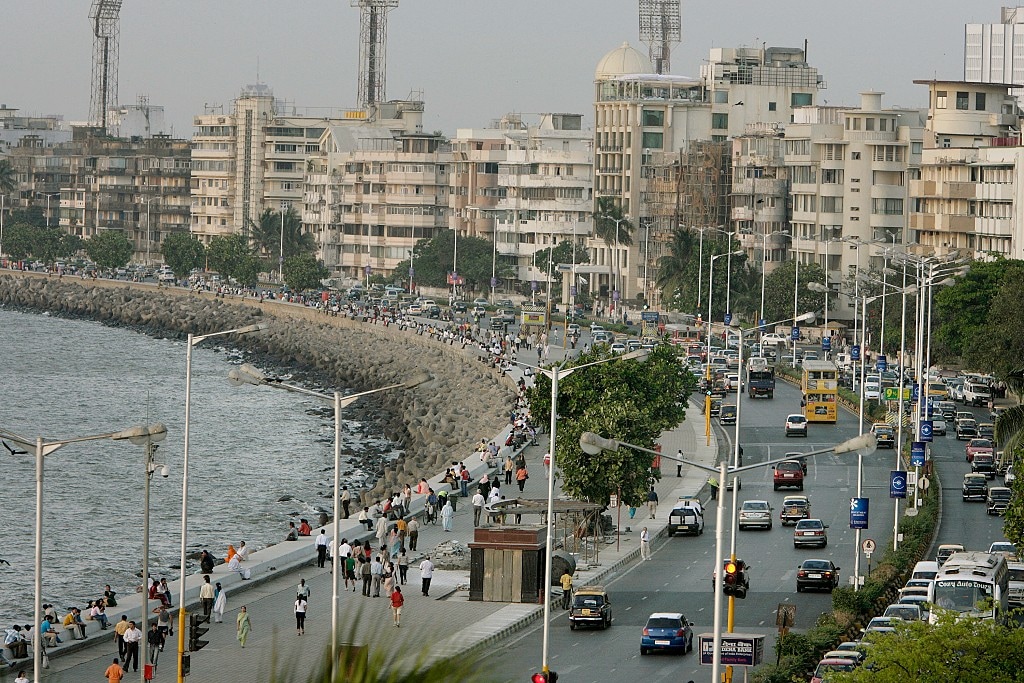
The Survey pointed that nearly 38 crore people live in around 8,000 cities/towns, with 53 cities being home to over 10 lakh people each. These urban local bodies today account for one-third of the country's population and three-fifths of it GDP.
The primary responsibility fordevelopment of urban areas lies with stategovernments and municipal corporations,municipalities and nagar panchayats,commonly known as urban local bodies(ULBs).
India's ULBs face major linkage problems like poor governance standards, large infrastructure deficit and inadequate finances. Not just that, ULBs also face a significant fragmentation of responsibilities in delivery of services, the Survey added.
Also Read | Layoffs Are Rising In Tech, But These Skills Are Helping People Unlock Better Pay
Also Read: Economic Survey Moots Universal Basic Income To Replace Existing Subsidies
The Survey pointed that according to a high-powered expert committee appointed by the Ministry of Urban Development, Indian cities require Rs 39 lakh crore for creation of urban infrastructure over the next 20 years. Out of this, about Rs 17 lakh crore was needed for roads and Rs 8 lakh crore for services such as water supply, sewerage and solid waste management.
The Fourteenth Finance Commission (FFC) recommended a grant of around Rs 87,000 crore to municipalities for a period of 2015-2020 -- that's a meager Rs 500 per capita a year, the Survey said.
While the 74th Constitutional Amendment Act of 1992 provided for ULBs as the third tier of government and recommended that states assign ULBs a set of 18 functions under the Twelfth Schedule, not many states have fully devolved powers to their local bodies. The amendment also leaves it to the discretion of state legislatures to devolve finances so that ULBs can fulfill these functions, the Survey pointed.
The Survey said that while property tax is the most important source of own revenue for ULBs, it is plagued by low coverage, low rates, low collection efficiency, and lack of indexation of the property values, making it a non-buoyant source of income.
The Survey indicated that using satellite-based imagery and modern techniques, ULBs can look for better property tax compliance.
The Survey tried to assess the property tax potential of Bangalore and Jaipur. It found that the two cities can mop up five to 20-times their current property tax collection.
Also Read: Economic Survey Eyes RBI's Reserves To Resolve Bad Loans...Again.
Essential Business Intelligence, Sharp Market Insights, Practical Personal Finance Advice, Daily Fuel, Gold and Silver Prices and Latest Stories — On NDTV Profit.