Finance Minister Arun Jaitley in Budget 2017 proposed legislative reforms to simplify, rationalise and amalgamate existing labour laws into four Codes -- wages, industrial relations, social security & welfare, and safety & working conditions.
Though the idea and draft codes have been floating around for some time, no law has been passed. Among the draft laws is the Labour Code on Industrial Relations, which amalgamates the Industrial Disputes Act, 1947, the Trade Unions Act, 1926, and the Industrial Employment (Standing Orders) Act, 1946.
The fact that labour law reforms were mentioned in the finance minister's Budget 2017 speech and also the Economic Survey has analysts feeling optimistic.
Also Read | Layoffs Are Rising In Tech, But These Skills Are Helping People Unlock Better Pay
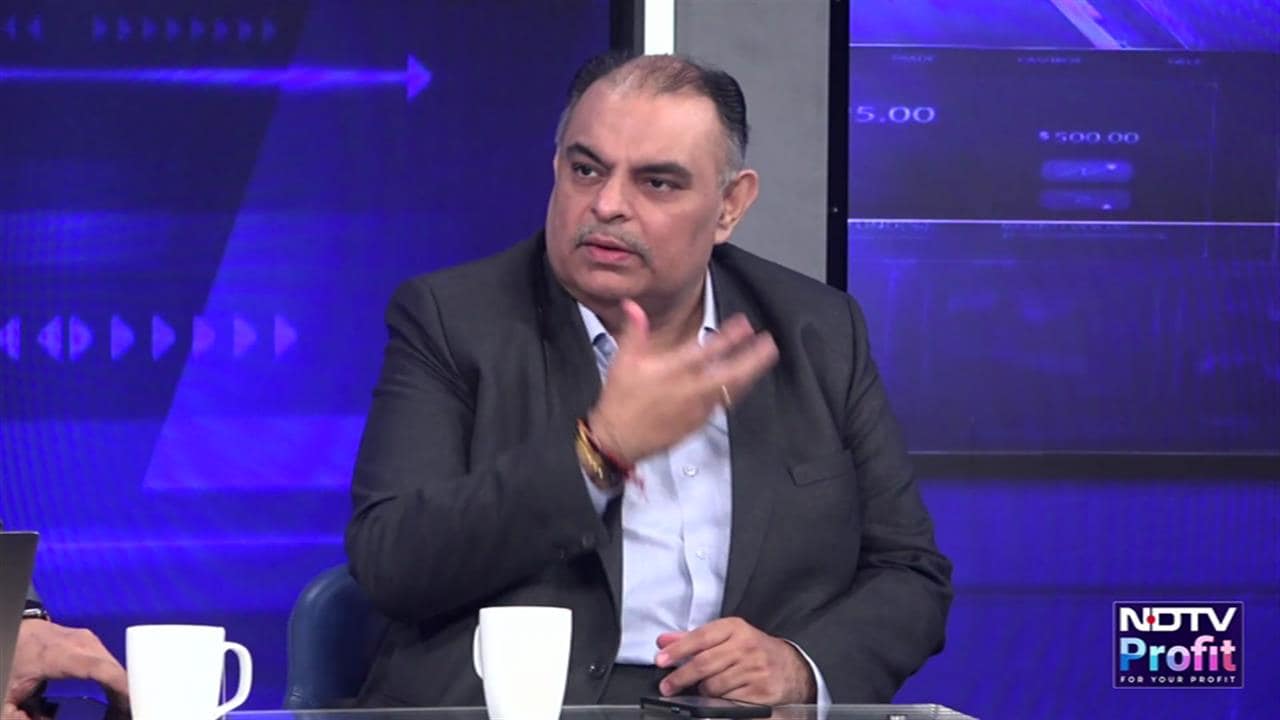
Consolidation of labour laws into 4 codes is not a new idea. But the very fact that it was mentioned in the budget gives me a sense that the government is serious about implementing it . Any simplification and rationalisation of labour laws will be a huge boost to employers.Vikram Shroff, Leader Of HR Law, Nishit Desai Associates
Shroff said there are almost 140 laws in the country dealing with labour matters, including the Central, state and industry-specific legislation and the related rules.
“Several of those laws contain their own definitions of employers, workers, wages, etc which are different and leads to interpretation issues. Given that this just complicates matters for employers and makes compliance a challenge, I think introduction of the codes will work well in India,” said Shroff.
At the same time, it will be critical to ensure that the codes do not withdraw or reduce existing employee benefits and that employee safety and security is not compromised in any way, he said.
The Economic Survey also said that such rationalisation and reduced taxation in sectors such as apparel and leather would boost job creation. The Survey mentions that a Rs 1 lakh investment in the apparel sector will lead to the creation of 24 jobs, and a third of these will be women.
The draft bills seeking to address consolidation of at least two of the codes which were circulated for feedback received negative feedback from both industry bodies and employee unions as they were poorly drafted, according to Ajay Raghavan, labour and employment partner at Trilegal.
What they essentially did was took a bunch of legislation and clubbed them together with some minor tweaking, which is not the ideal way to go about consensus building or change. It is a great idea and the stated intention is to simply make it easier for people to comply with, but the drafting will need to improve significantly.Ajay Raghavan, Labour And Employment Partner, Trilegal
Essential Business Intelligence, Sharp Market Insights, Practical Personal Finance Advice, Daily Fuel, Gold and Silver Prices and Latest Stories — On NDTV Profit.