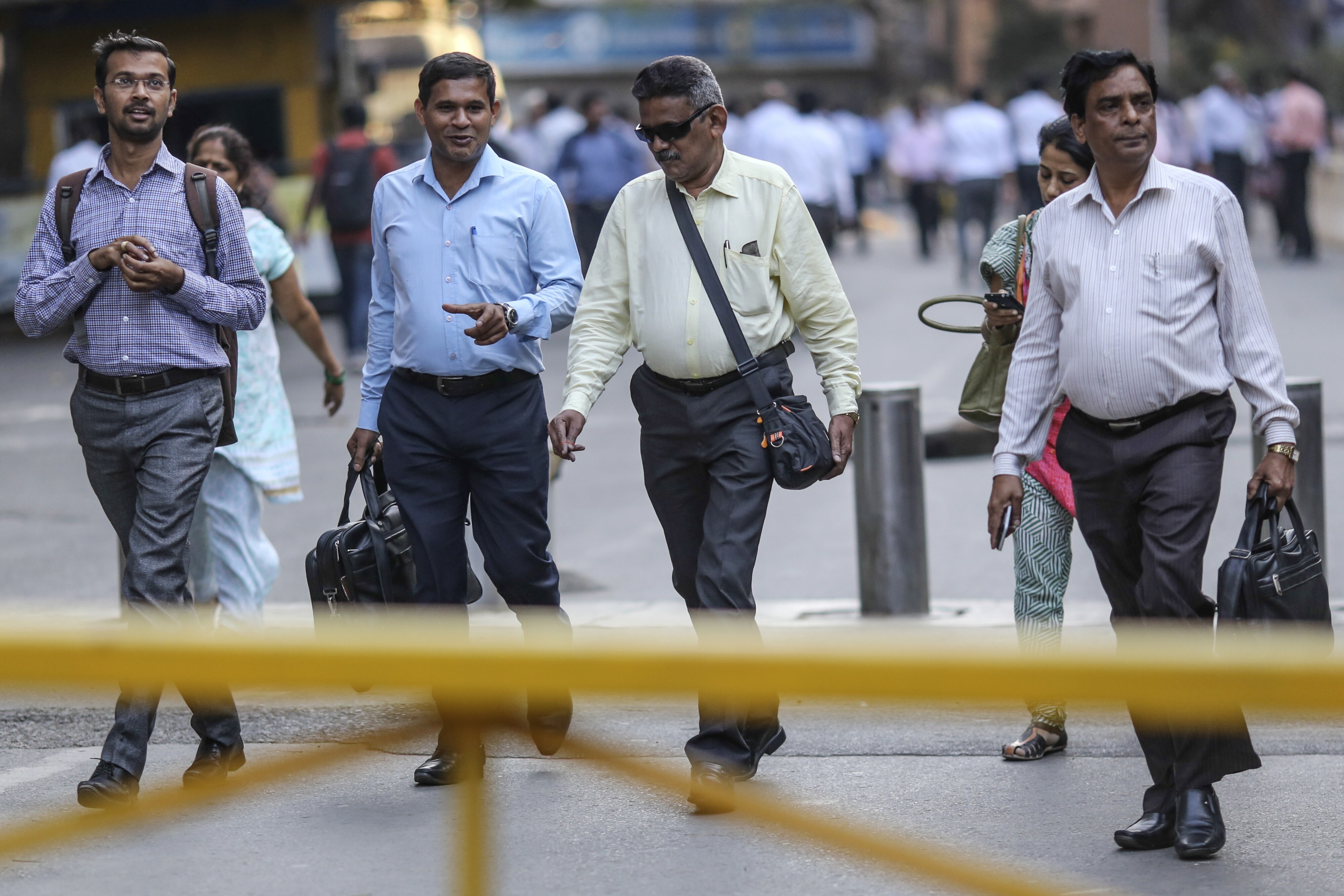
Direct tax collections up to December 2016 grew 12.01 percent year-on-year, as per the Central Board of Direct Taxes. Experts attributed the growth to the government's demonetisation drive and income disclosure schemes. The buoyant collections, some had hoped, will induce the government to increase the basic tax exemption threshold and make deductions more meaningful. But that was not meant to be.
Budget 2017 only makes following incremental changes on the personal finance front:
- Individual tax rate for the first slab between Rs 2.5 lakh and Rs 5 lakh will now be reduced from 10 percent to 5 percent.
- Tax rebate available for individual tax filers will now be reduced to Rs 2,500 for those having taxable income up to Rs 3.5 lakh
- Surcharge at the rate of 10 percent of tax payable will be levied for individuals with taxable income between Rs 50 lakh and Rs 1 crore
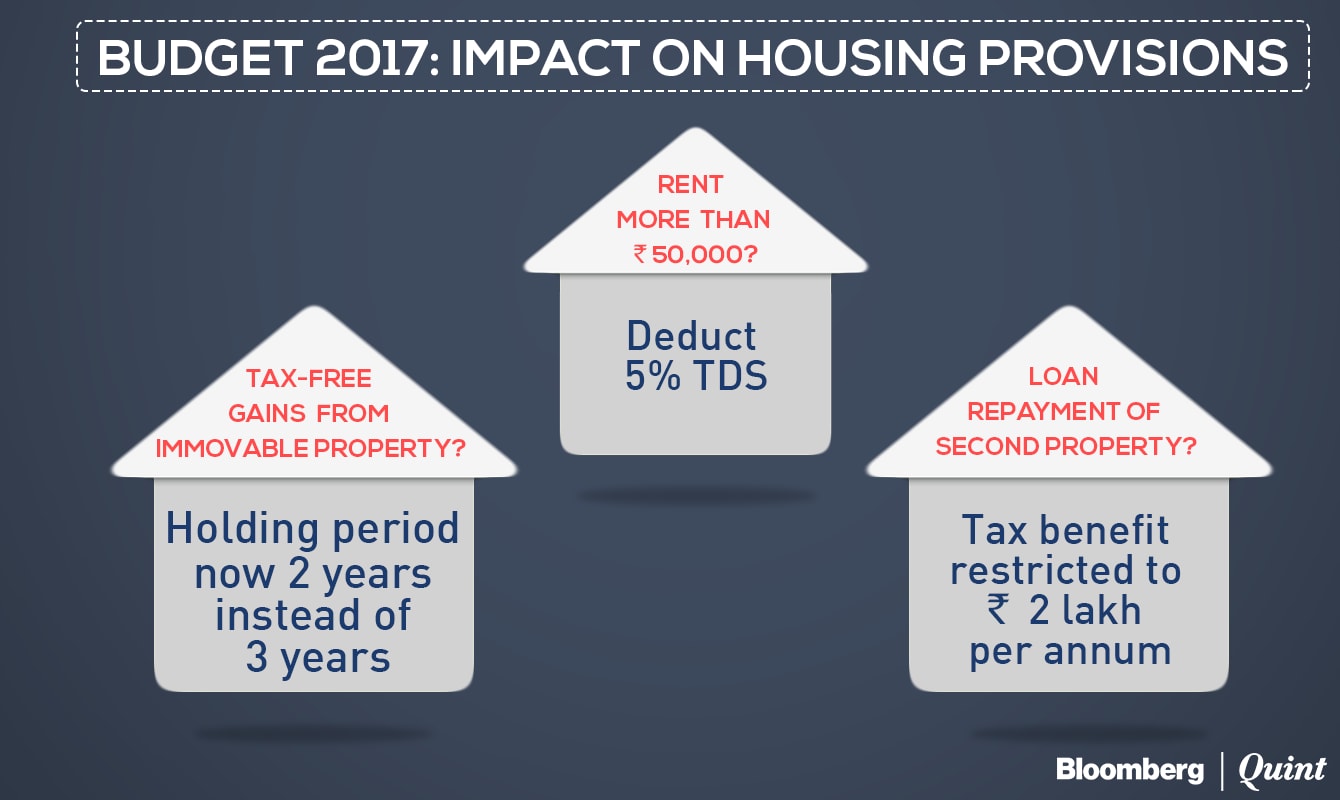
- With effect from June 1, 2017, individuals who have taken property on rent exceeding Rs 50,000 per month will be required to deduct TDS at 5 percent from the rent to be paid to the landlord. However, no separate TAN registration will be required and the tax can be deducted and deposited once a year.
- The holding period for considering gain from immovable property to be long term has been reduced from 3 years to 2 years
- Set-off of loss under the head Income from house property against any other head of income shall be restricted to Rs 2 lakh. The unabsorbed loss shall be allowed to be carried forward for set-off in subsequent years
- A simple one-page form to be filed as income tax return for individuals having taxable income up to Rs 5 lakh, other than business income.
- Fee for late income tax filings.
- Individuals belonging to the above category, who file income tax returns for the first time, will not be subject to any scrutiny in the first year, unless there is specific information available with the income tax department regarding his/her high value transactions.
- No tax on partial withdrawals – up to 25 percent of the individual's contribution – from National Pension System
- Cash donations exceeding Rs 2,000 to charitable funds/institutions will not be eligible for deduction under Section 80G
- LIC to implement a scheme for senior citizens to provide assured pension, with a guaranteed return of 8 percent per annum for 10 years
- No person shall receive a cash amount of Rs 3 lakh or in aggregate from a person in a day or in respect of a single transaction or in respect of transactions relating to one event or occasion from a person
- No tax implications for mutual fund investors on account of merger of mutual fund schemes
Also Read: Budget 2017: Much Ado About Nothing?
Also Read | Layoffs Are Rising In Tech, But These Skills Are Helping People Unlock Better Pay
Gaurav Mashruwala, a certified financial planner, and Ishita Sengupa, a director with PwC India's tax and regulatory team, spoke to Bloomberg Quint on the implications of the key personal finance announcements in the Budget 2017.
Commenting on the announcement relating to merger of mutual fund schemes, Mashruwala said that at one point mutual funds came out with a lot of schemes and market regulator SEBI had directed asset management companies (AMCs) to not launch new schemes that had investment philosophy similar to their existing schemes. As a result, AMCs merged schemes with similar investment philosophies.
When that merger would happen or at the time of exit, there would be some tax implications. “Now the biggest problem is when did you purchase because should we take into consideration the day the merger was done or the day an investor bought into one of the merging schemes,” Mashruwala said.
The budget has now clarified that the actual cost and the period of holding shall be the cost and the period of holding of the unit in the consolidating plan i.e. the investor will get the benefit of the original purchase price and entry for the purposes of long-term capital gainsGaurav Mashruwala, Certified Financial Planner
Also Read: Budget 2017: You Can Now Partially Break Your Pension Piggy Bank Without Paying Any Tax
Sengupta said to give a thrust to timely compliance, the government has stated that belated tax returns will now be subject to a fee of Rs 5,000 if filed by December 31 of the assessment year, and Rs 10,000 in all other cases. However, for those with income below Rs. 5 lakh, such fine would be restricted to Rs1,000, she added. The time limit for filing revised tax returns has also been brought down to one year from the end of the relevant financial year (instead of two years earlier).
Tax deducted at source provision for rental income has been brought to widen the scope of TDS and to possibly track landlords who earn rental income of 50,000 or more but do not file tax returns, Sengupta said.
Essential Business Intelligence, Sharp Market Insights, Practical Personal Finance Advice, Daily Fuel, Gold and Silver Prices and Latest Stories — On NDTV Profit.