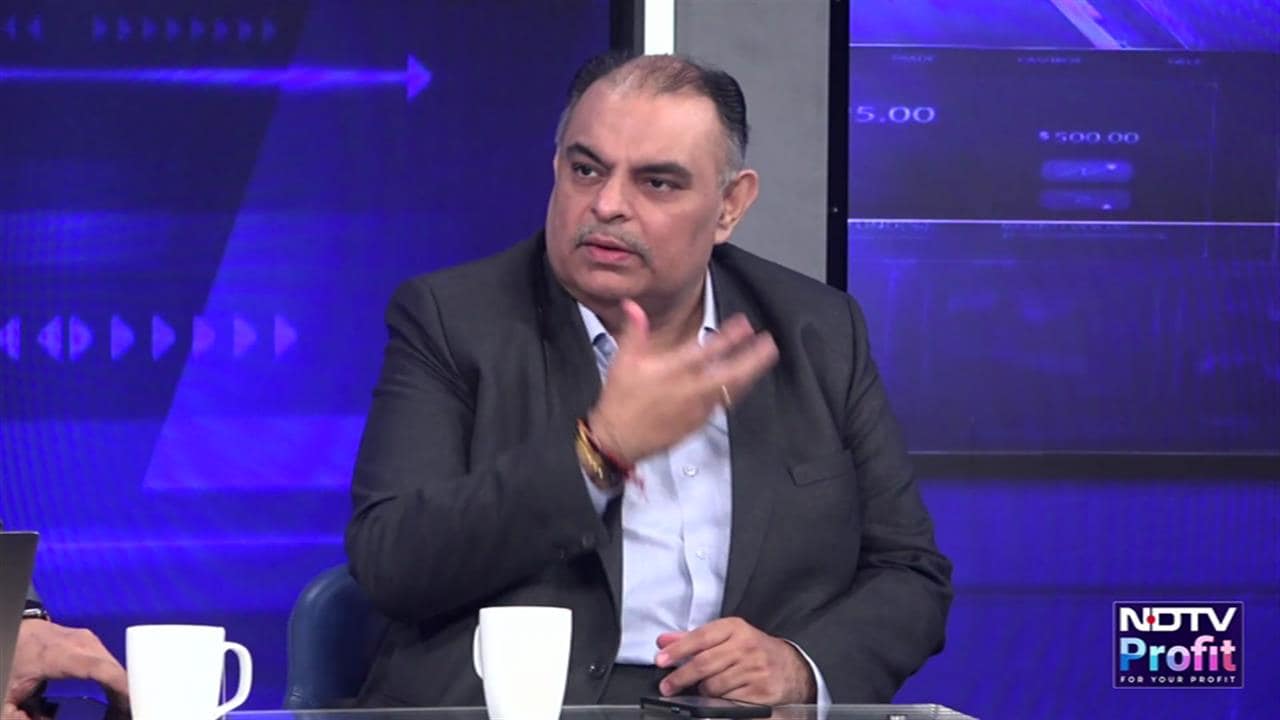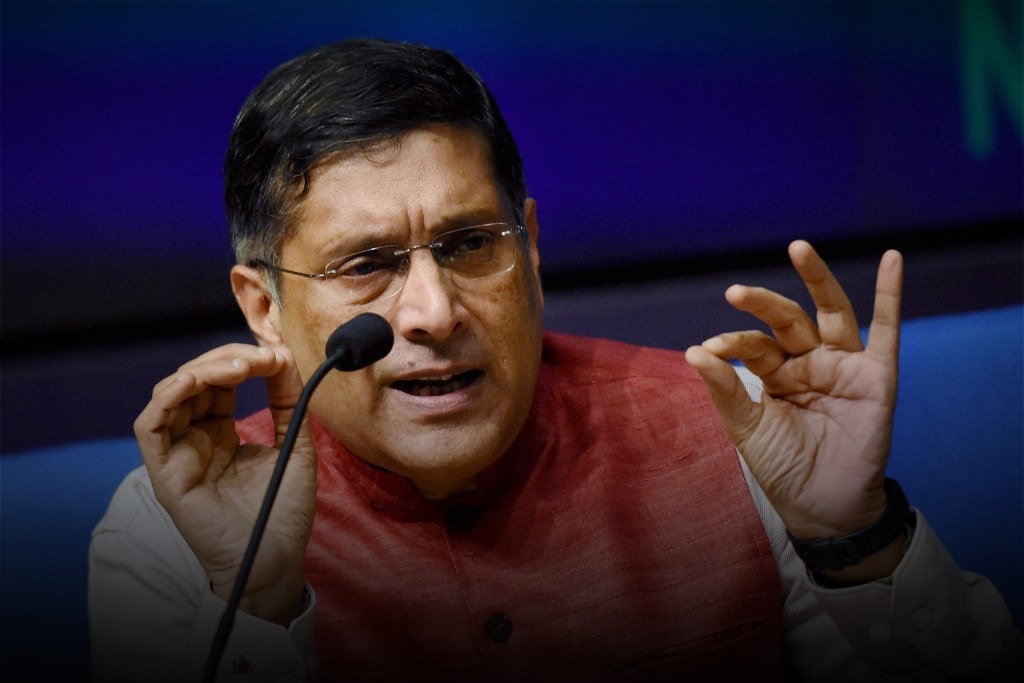
The Economic Survey of 2016-17 presented today by the Chief Economic Advisor Arvind Subramanian was a scholarly piece of work that bettered even last year's high benchmark that he had set for himself, said Praveen Chakravarty, senior fellow at IDFC Institute, a Mumbai-based think tank.
And like the report opened with a section on eight interesting facts about the Indian economy, Chakravarty too has highlighted eight interesting observations about the Economic Survey.
Here below is a rough transcript of Chakravarty's “eight interesting observations”.
Also Read | Layoffs Are Rising In Tech, But These Skills Are Helping People Unlock Better Pay
1. Smudged Font In The Demonetisation Charts… Symbolic?
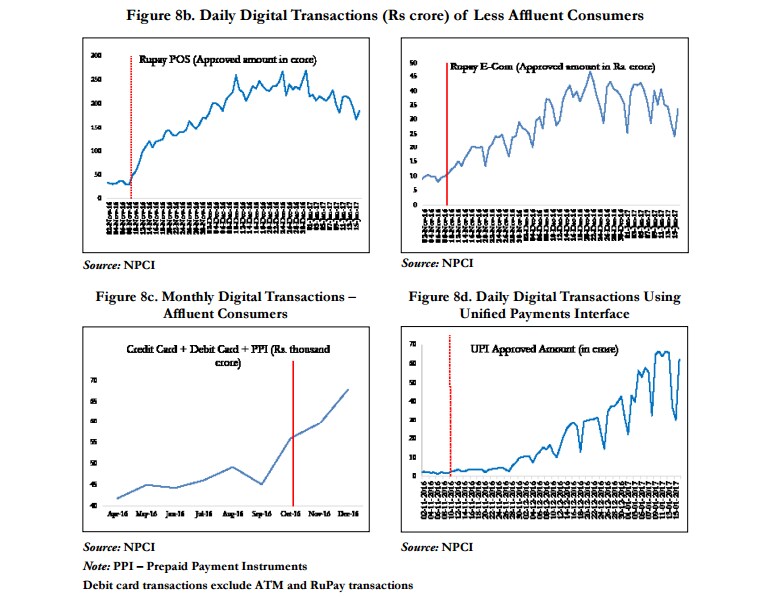
The only chapter where the fonts on the graphics are smudged is the Demonetisation chapter! That is symbolic of the chapter itself – it is a large chapter with lots of graphs and charts but does not reveal anything new. While this was one of the more widely anticipated chapters, it does not take a position nor does it do much to either substantiate or clear the air on a lot of the debate surrounding it.
2. Twenty Two Mentions Of “NPA” This Year Versus Only Ten Last Year, But Still No Concrete Solution
The 2016-17 Economic Survey uses the word NPA 22 times in its report. That in itself is revealing since this problem of bad balance sheets of banks and corporate India has festered for three years now. The oft-repeated notion of a bad bank is still proposed as the only viable solution for the balance sheet problem.
But the Eco Survey does not outline a framework to determine issues of capital, pricing, incentives for the bad bank solution.
These were the issues that held this idea back in previous years.
3. Not FRBM, It's The States, Stupid!
The Economic Survey highlights the need for fiscal discipline, especially at the state level. This chapter provides a fantastic summary of fiscal issues at the state level for all the states. The Survey recommends weaning states away from dependence on transfers from the Centre, and turn to markets for borrowing.
4. The Gap Between Demographic Dividend And Disaster - A Cow!
The Economic Survey almost suggests that the line between India's demographic divided versus demographic disaster is a cow! The survey suggests that apparel and leather/footwear sectors are the most labour intensive sectors and can provide millions of jobs, especially for women. While there are many factors such as labour laws, tariffs and taxes that hinder the growth of these two sectors, it also points out how ban on cow slaughter means less cattle available for leather hides which takes away India's comparative advantage in the exports market.
5. Universal Basic Income: An Idea For Discussion, Not Implementation
Contrary to perception, the Economic Survey and the CEA do not advocate implementation of Universal Basic Income or even Basic Income immediately.
The Survey introduces this idea and lays out the rationale for it in an analytical manner pointing out the current skewed distribution of subsidies across districts.
Also Read: Arvind Subramanian Backs Bad Bank; Says Time Is Not Right For Universal Basic Income
6. Divergence Among States: Significant Long-Term Implications
The most important issue that the Survey has highlighted from a longer term perspective is one of income and health divergence among states. This has been an area of my research last year where me and my co-author showed increasing divergence of India's large states.
The Economic Survey points out how this is a puzzling trend and a dangerous one too where the richer states continue to get richer leaving behind the poorer states.
This has profound implications on policies such as GST and India's federalism in general.
7. Trump Or Not: Inter-State Trade And Migration, Free And Robust
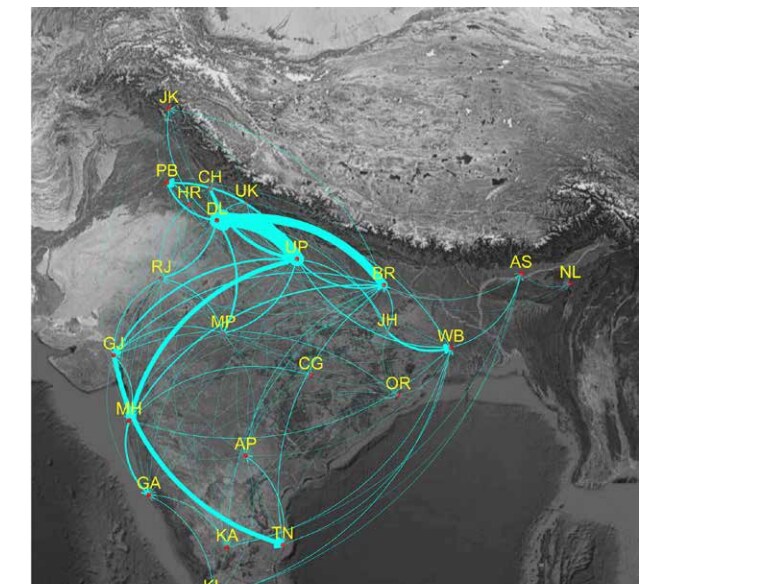
The most fascinating revelation of the Economic Survey is about trade and migration within India. The Survey uses big data from GST databases and Railways passenger traffic data to argue that inter-state trade of goods and services within India is quite free and robust. It makes similar claims for migration and movement of people where it shows how people from poorer states of UP and Bihar are arriving in hordes into Delhi, Tamil Nadu and Maharashtra.
8: Tax Those Property Owners In Cities Better And Be Self-Sufficient
The Economic Survey has also been quite cheeky in its suggestion that Urban Local Bodies in big cities of India can raise 10-20 times more revenues from property taxes than they do by simply enforcing more compliance. It uses fascinating satellite data and information from municipal corporation documents to make the case that ULBs can actually be self-sufficient by simply increasing compliance of property tax payments.
Also Read
Arvind Subramanian Backs Bad Bank; Says Time Is Not Right For Universal Basic Income
8 Interesting Facts About India
Economic Survey Identifies Apparel, Footwear Manufacturing To Create Large-Scale Jobs
Economic Survey Calls For Higher Revenue From Property Tax
Essential Business Intelligence, Sharp Market Insights, Practical Personal Finance Advice, Daily Fuel, Gold and Silver Prices and Latest Stories — On NDTV Profit.