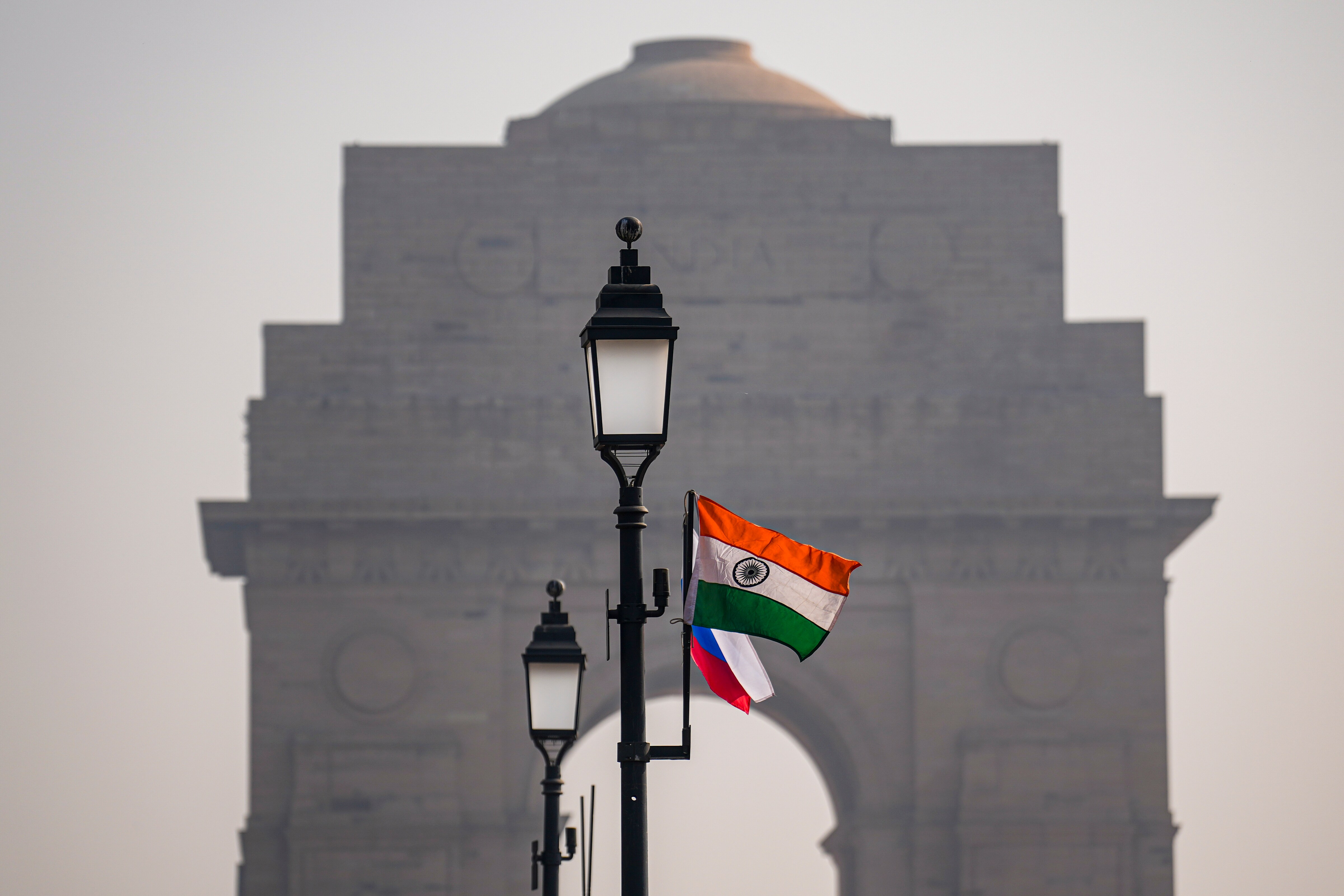
India and Russia are looking to balance their oil-heavy bilateral trade with imports from key sectors like agriculture, pharmaceuticals, textiles and electronics, according to statements issued by officials on both sides on Thursday, at sidelines of the FICCI India-Russia Business Forum.
Maxim Reshetnikov, the Russian minister of economic development, said the joint goal is to balance and diversify the existing bilateral trade. To achieve this target, import of pharmaceuticals, chemicals, spare parts, textiles, electronics from India will be vital, he underlined.
The minister added to further this goal, import of pharmaceuticals, chemicals, spare parts, textiles, electronics from India will be vital. Accordingly, discussions around signing a free trade agreement will also be given impetus.
For trade with India, he underscored that Northern Sea route and International North-South Corridor will be key. Further, he encouraged Indian food products, appliances, textiles manufacturers to sell to Russian markets.
Meanwhile Indian Commerce Secretary Rajesh Agrawal also highlighted that automobiles, textile, auto parts, leather, pharmaceuticals, healthcare, and IT are missing from Russia's imports from India, and said that he will speak to his Russian counterpart to take this forward.
The official added that while this may not bridge the trade deficit, the move will create positive energy.
The current bilateral trade, of nearly $70 billion, is skewed in favour of Russia. While New Delhi imports goods and services amounting to around $65 billion, Moscow imports around $5 billion from India.
Additionally, the commerce secretary underlined that the task at hand is to make trade easier, for which regulators must resolve issues. Also, he said that standards and certifications of Russia and India should match each other and have predictable processes.
Essential Business Intelligence, Continuous LIVE TV, Sharp Market Insights, Practical Personal Finance Advice and Latest Stories — On NDTV Profit.