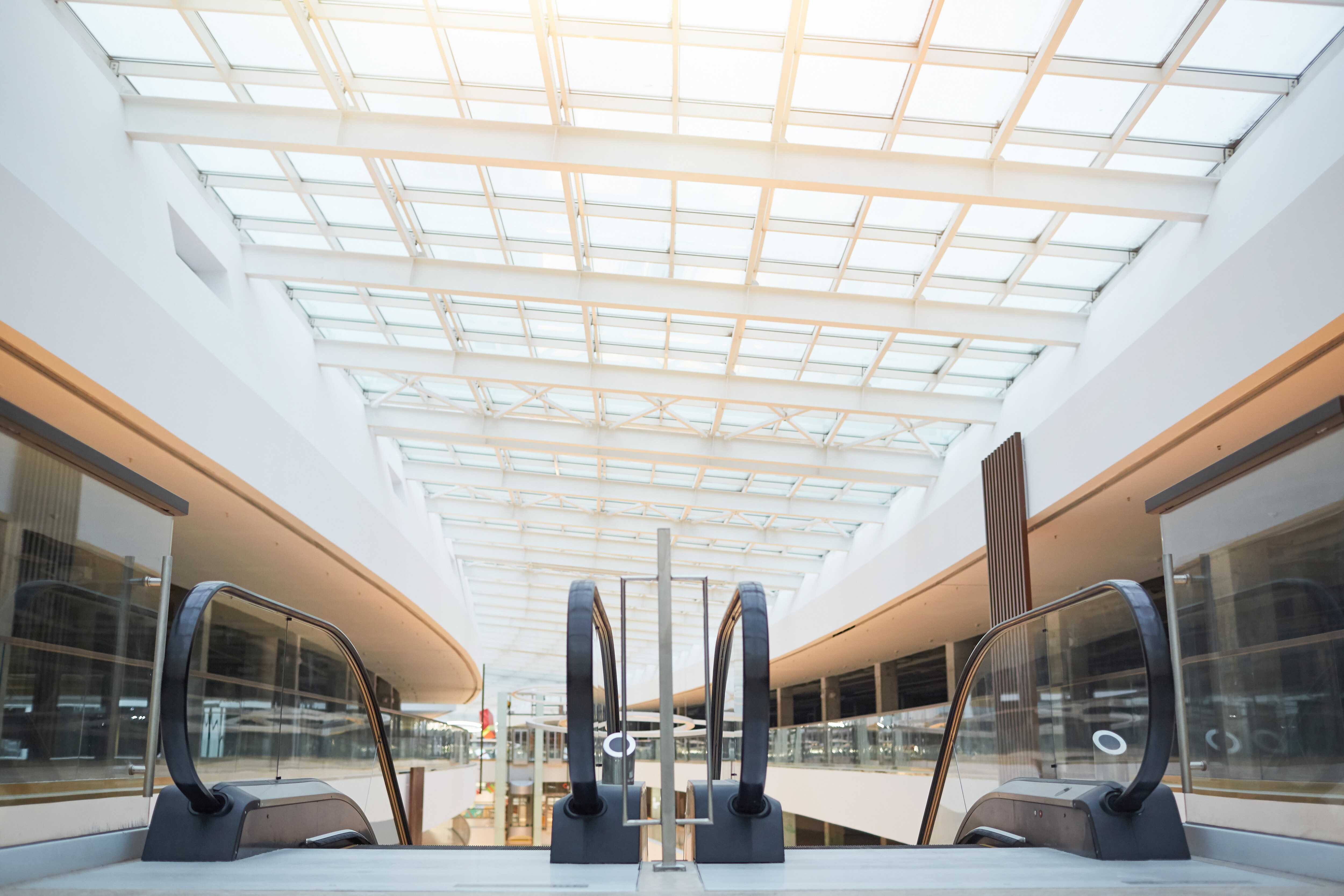
When India's mall boom began in the early 2000s, shopping centres were hailed as the future of urban retail. Yet, two decades later, many of those glittering complexes stand half-empty or have shut down entirely. What went wrong? Knight Frank's latest report stresses on the story of India's struggling malls as a cautionary tale of flawed planning, poor execution, and changing consumer behavior.
Some malls were doomed from the start, indicates the report. Developers built lavish centres in areas without a strong customer base or in markets flooded with competing projects. Gurugram's MG Road, once dubbed the “Mall Mile,” saw five major malls spring up side by side. Only the best-located and managed survived; the rest slipped into decline. In smaller cities during the 2000s, developers overestimated demand, leaving multiple malls half-empty from day one.
First-generation malls from the early 2000s failed to keep pace with evolving consumer expectations, add Knight Frank. As newer destinations like CyberHub and Golf Course Road emerged, older malls on MG Road lost their charm. Without timely upgrades, typically within 10–15 years, shoppers drifted away, seeking fresher experiences.
Design Disasters
Layout matters, stresses the report. Malls with confusing corridors, dark corners, poor signage, and no natural light discouraged repeat visits. Retailers in hidden pockets underperformed and exited, the report added. The “bazaar-style” strata-sold model — where too many small shops were sold to individual investors — added chaos, leaving no room for large anchor stores that draw crowds.
Strata ownership created another trap. Developers sold shop units to multiple investors, sacrificing unified management. The result? A patchwork of tenants, inconsistent storefronts, and zero collective marketing. Instead of a curated shopping experience, these malls became clusters of unrelated shops, says Knight Frank.
The Anchor Effect
Anchor tenants — big draws like multiplexes or hypermarkets — are lifelines for malls. When one exits, footfall collapses, triggering a domino effect of retailer departures. Many malls never recovered from losing their anchors.
E-Commerce Shocks
The rise of online shopping hit mid-tier malls hard, especially those reliant on commodity retail like books and electronics. Without unique experiences, they couldn't compete. Then came COVID-19, which crushed already weak malls. Many never reopened, lacking resilience in tenant mix or customer loyalty, as per the report.
Despite these failures, India's retail story isn't all doom. Today, demand for quality retail space is surging, while new Grade A malls remain scarce. Tier-2 cities, in particular, face a supply crunch as brands hunt for modern spaces. This mismatch is breathing new life into older properties, indicated the report.
Essential Business Intelligence, Continuous LIVE TV, Sharp Market Insights, Practical Personal Finance Advice and Latest Stories — On NDTV Profit.