India's space sector is will likely see private players have a more substantial role in commercial launches, manufacturing and other parts of the space ecosystem, according to perspectives from experts on Saturday.
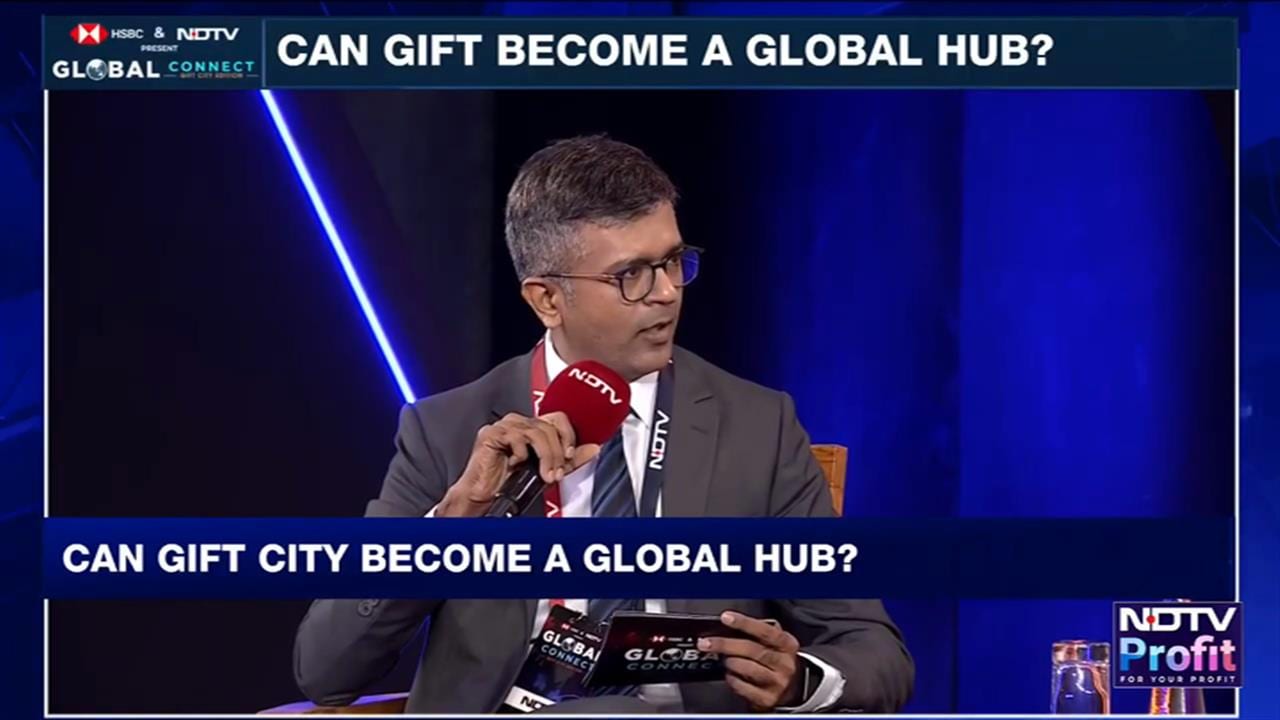
NDTV Profit spoke to Manish Purohit, a former ISRO (Indian Space Research Organisation) scientist and Senthil Balasubramanian regarding the future of the private sector when it comes to contributing to India's space sector, as well as its role in the global scenario.
ALSO READ: India's Space Economy Can Expand To $45 Billion Over Next Seven-Eight Years: Jitendra Singh
Purohit stated that India's new space policy reflects a broader ambition to establish a much stronger presence on the global space platform, with the government opening up opportunities for startups and private companies.
When it comes to the space sector, Indian startups proving themselves is the last piece of the Jigsaw puzzle, the scientist stated.
One of the key developments is the new spaceport at Kulasekarapattinam in Tamil Nadu. Discussions are underway with private players on opportunities to participate in operating the facility, Purohit said.
The growing capabilities of Indian space startups are also beginning to demonstrate the potential of the private sector. Purohit pointed to Vikram-1, the maiden launch vehicle being developed by Skyroot Aerospace, as well as Agnikul Cosmos' plans for a reusable launch vehicle in early 2027. He also highlighted the development of technologically complex rocket engines by Indian startups.
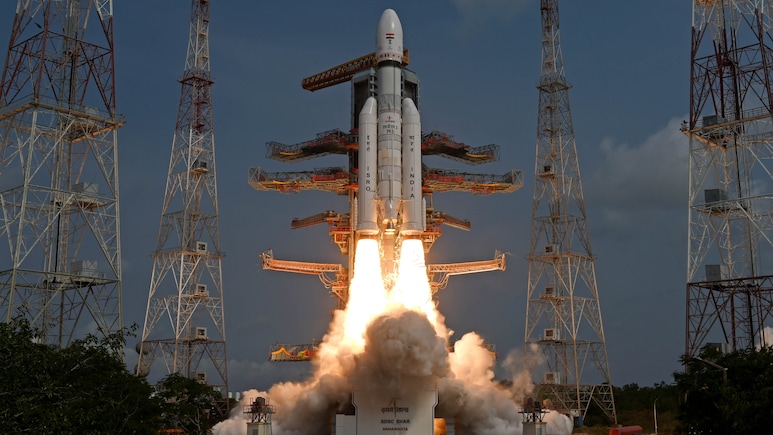
The success of Chandrayaan-3 has implications beyond the scientific and experimental results of the mission, Purohit said. The successful soft landing demonstrated India's ability to solve complex problems in space and changed how the world looks at the country's technological capabilities, as per the scientist.
The impact also extends to the country's younger generation, he said. National Space Day was not merely a celebration of the successful landing but an opportunity to encourage curiosity and interest in technology and space among young people.
Purohit also pointed to the relatively young age of founders in India's space startup ecosystem, with many of them being below 30.
Balasubramanian stated that India has already demonstrated from a global perspective that it can develop and execute complex systems for space.
He added that greater private-sector participation would allow the country to accelerate its progress.
Purohit said the Chandrayaan-3 mission translated India's space capabilities into a different paradigm. The mission demonstrated that India could solve difficult technological problems while giving the private sector an "unprecedented boost".
"Ten years back, no one was talking about startups," Purohit said, adding that the emergence of private space companies was an objective India had been working towards.
He cited multiple launches by Pixxel and satellite-building initiatives involving industry consortiums as examples of the ecosystem developing.
The next major test, according to Purohit, will be successful launch vehicles developed by startups.
Once private companies establish capabilities across the broader space value chain, which includes launch vehicles, upstream and downstream activities and in-orbit operations, India could be in a position to capture a much larger share of the global space market, he added.
Balasubramanian stated that India's potential extends beyond the domestic market.
He pointed to the country's large technically skilled workforce, established manufacturing capabilities and relatively low costs as potential advantages for Indian companies competing in the global space industry.
However, the space industry requires extremely high levels of quality and reliability, with no compromise on safety, he said.
The challenge for Indian companies is therefore to connect these capabilities and scale them without compromising quality, safety and reliability.
"How do we scale up and how do we get a bigger part of the global market, is the key question," Balasubramanian said.
He noted that prototypes in the space industry can be extremely expensive for private companies. However, once a product is qualified, companies can scale manufacturing significantly.
Alongside scaling, developing a resilient domestic supply chain will be important for India, he added. A stronger domestic ecosystem could support the country's participation in global space programmes while also benefiting the wider economy.
Purohit further stated that ISRO is planning to move away from manufacturing launch vehicles over the coming years and allow private players to take over commercial launch activities.
ALSO READ: ISRO to Hand Over Rocket Production To Private Sector, Focus On Research
The SSLV and eventually the LVM3 are expected to be handed over to private players, while ISRO focuses more specifically on space exploration and research and development.
Commercial launches are expected to increasingly come under the ambit of private companies.
Essential Business Intelligence, Sharp Market Insights, Practical Personal Finance Advice, Daily Fuel, Gold and Silver Prices and Latest Stories — On NDTV Profit.